
US Suspends Ghana from $190 Million MCC Energy Funding

The United States has suspended Ghana’s access to approximately $190 million in Millennium Challenge Corporation (MCC) funding for fiscal year 2026, citing a debt default restriction contained in US legislation. The decision marks a setback for Ghana’s energy sector at a time when reliable power supply remains closely linked to jobs, household welfare, and long-term economic growth.
The suspended funds were expected to support power generation, transmission, and sector reforms aimed at improving electricity reliability and lowering costs for businesses and households. Analysts warn that delays to these investments could slow industrial activity, raise pressure on small enterprises, and deepen energy affordability challenges for ordinary Ghanaians.
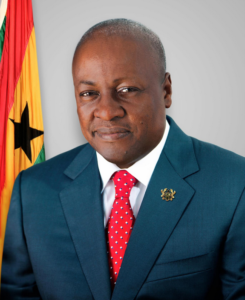
This decision highlights Washington’s growing emphasis on fiscal discipline and governance standards in its developmental partnerships politically. Ghana has long been regarded as a key democratic ally in West Africa, and past MCC compacts helped deliver landmark infrastructure such as the George W. Bush Highway, alongside agricultural and regulatory reforms that boosted productivity and market access. Those achievements continue to shape daily life, particularly through improved transport links and rural livelihoods.
However, the current suspension highlights the limits of goodwill when macroeconomic stability falters. US officials and policy analysts say Ghana’s future eligibility for MCC and similar assistance will depend on credible debt restructuring, stronger public finance management, and sustained governance reforms that reassure international partners.
Socially, the decision carries broader implications beyond budgets and balance sheets. Energy investments often translate directly into better public services, from healthcare facilities that depend on stable power to schools and digital businesses that rely on connectivity. Civil society groups argue that restoring access to concessional funding is not only a fiscal challenge but also a social priority, as prolonged energy constraints risk widening inequality and slowing poverty reduction.

While the suspension does not erase Ghana’s past development gains or its strategic relationship with the United States, it sends a clear signal: renewed access to large-scale development financing will require difficult reforms. From policymakers in Accra, the path back to MCC support is increasingly tied to demonstrating that economic recovery and governance improvements can deliver tangible benefits to citizens as well as confidence to international partners.