
US-Taiwan $10 billion Arms Deal, Driving a Shift in Regional Power: Is this a Threat to China?
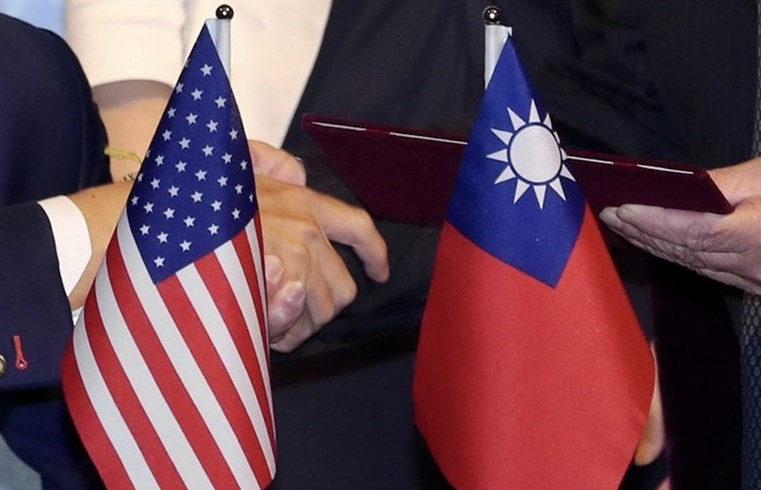
The United States and Taiwan have finalized a major defense agreement valued at about $11.1 billion, a move that is already reshaping political conversations across East Asia. Announced by the US State Department during a nationally televised address by President Donald Trump on Wednesday, the deal is among the largest arms sales Washington has ever approved for the island.
At its core, the agreement is about military hardware. It includes 82 High Mobility Artillery Rocket Systems (HIMARS), 420 Army Tactical Missile Systems (ATACMS), self-propelled howitzers, drones, and advanced military software. But beyond the numbers and weapons, the deal carries broader human, political, and social implications that extend well beyond Taiwan’s armed forces.
In line with human and security dimensions for Taiwan’s 23 million population, the deal is framed as a measure of reassurance. Taiwanese officials and US policymakers argue that strengthening defensive capabilities helps deter conflict, which in turn protects civilian life, infrastructure, and economic stability. By improving Taiwan’s ability to respond to threats, supporters say the agreement reduces the likelihood of sudden escalation that could place ordinary citizens at risk.
The weapons systems included are largely defensive in nature, aimed at countering missile threats and improving rapid response. US officials stress that the intention is not to provoke conflict, but to help Taiwan maintain a credible self-defense posture, giving its population a sense of security amid rising regional tensions. A political significance
The arms deal sends a strong indication of continued US support for Taiwan, politically. In its official statement, the US State Department said the sale serves US national, economic and security interests and helps maintain political stability, military balance, and economic progress in the region.
The agreement also reflects a broader shift in US foreign policy toward reinforcing alliances in the Asia-Pacific. By backing Taiwan’s military modernization, Washington is reaffirming its role as a key power broker in the region, even as it navigates sensitive diplomatic ground.
In respect to Taiwan, the deal strengthens its international standing, showing that despite not being formally recognized by many countries, it continues to receive substantial backing from major global powers. Determining social and regional impact.
The ripple effects extend beyond governments and militaries. Regional economies, shipping routes and supply chains, especially in technology and semiconductors, are closely tied to stability in the Taiwan Strait. Any move that promises deterrence and balance is seen by many analysts as indirectly supporting economic and social continuity across Asia.

However, the deal has also extended divisions. China, which considers Taiwan part of its territory, reacted sharply. Foreign ministry spokesperson Guo Jiakun criticized the agreement, saying it seriously violates the one-China principle and the three China-US joint communiqués. Such statements highlight how arms sales can heighten diplomatic tensions, influencing public opinion and nationalist sentiment on all sides. This transaction, is a delicate balance.
Ultimately, the US-Taiwan arms deal is not just about missiles and drones. It is about power, perception and people; balancing deterrence with diplomacy and security with stability. Whether it reduces the risk of conflict or intensifies rivalry, will depend on how the regional actors manage the political and social consequences in the months ahead.