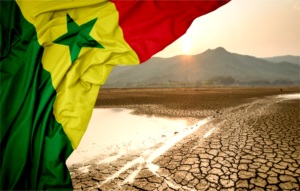

Washington Backs Cairo on the Nile, Recasts Ethiopia’s Mega-Dam as a Regional Power Deal
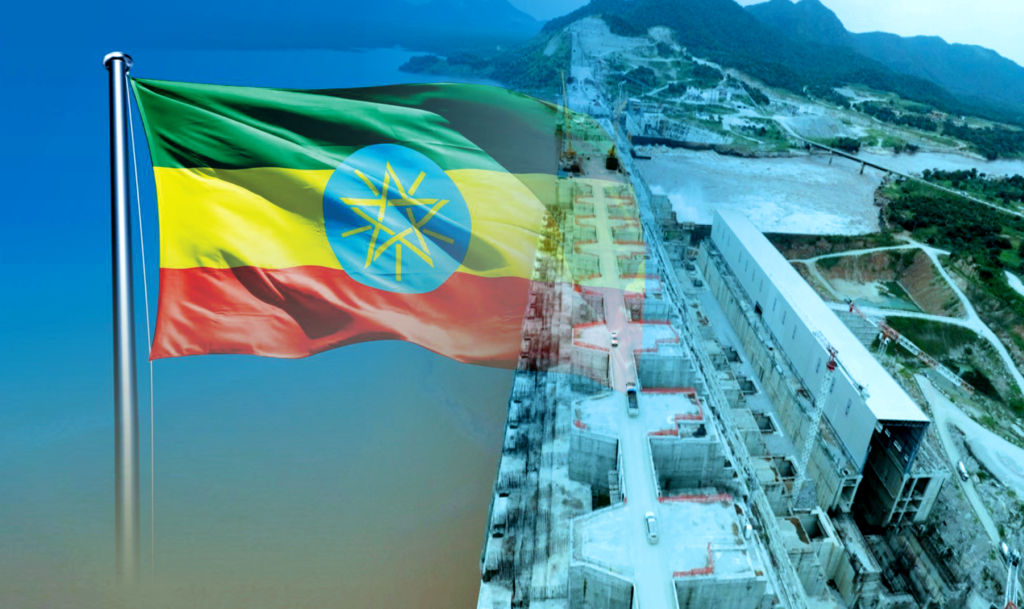
Washington has moved decisively into Africa’s most sensitive water dispute, urging Ethiopia to generate electricity from the Grand Ethiopian Renaissance Dam (GERD) and have that power given or sold to Egypt and Sudan, while placing firm guarantees on Nile water flows at the centre of any deal. The message, delivered in a January 16, 2026 letter from US President Donald Trump to Egyptian President Abdel Fattah El-Sisi, aligns the United States squarely with Cairo’s long-held position that upstream control of the river threatens downstream survival.
Relevantly, the proposal reframes GERD as a less symbol of Ethiopian sovereignty and more as a shared regional utility. Trump argued that Ethiopia could still reap economic benefits by exporting electricity, but only if it commits to predictable water releases during droughts and prolonged dry years, the very safeguards that Egypt and Sudan have demanded for, more than a decade.
To most the families along the Nile, the stakes are immediate and personal. In Egypt’s Delta, where smallholder farmers already battle salinisation and shrinking plots, fears of reduced flows translate into anxiety about food, income and migration. In Sudan, erratic flooding and drought cycles have made water management a matter of survival. Meanwhile, Ethiopia sees GERD as a national lifeline powering factories, lighting rural homes and anchoring hopes of lifting millions out of energy poverty. The dam is woven into the country’s social fabric, funded in part by domestic bonds and public sacrifice.

Trump’s letter echoed Cairo’s language in almost total verbatim. No single state, it said, should “unilaterally control” the Nile to the disadvantage of its neighbours. The emphasis is on water security, coupled with an offer of renewed American mediation, indicating a diplomatic reset after years of stalled African Union-led talks. It also raises questions about balance. Ethiopia’s leaders have long argued that the Nile is a shared resource and that GERD, a non-consumptive hydropower dam, does not permanently reduce flows. From Addis Ababa’s perspective, being asked to trade strategic control for electricity sales risks reducing a sovereign development project to a bargaining chip.
However, the world’s business interests are watching closely. A regional power-export framework could integrate East and North African energy markets, lower electricity costs and attract investment. Yet, analysts warn that without a legally binding water agreement, commercial promises may not offset political mistrust. And investors tend to avoid projects shadowed by geopolitical risk.
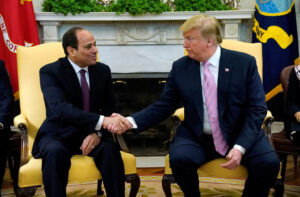
The politics behind Washington’s stance are hard to ignore. Trump’s letter praised El-Sisi’s regional role, from mediating the Israel-Hamas ceasefire to managing humanitarian pressures since October 2023, reinforcing a long, controversial partnership. Trump has consistently treated Cairo as a cornerstone of US security strategy, approving billions in military aid, despite sustained criticism from human rights groups over mass arrests and condensed freedoms in Egypt.
That closeness has drawn scrutiny before. A 2024 investigative report revived some allegations, which was never proven that Egyptian officials sought to covertly support Trump’s 2016 campaign. While US investigators closed the case without charges, the episode extended perceptions of political alignment that now colour Washington’s Nile diplomacy.

On the ground, grassroots voices remain largely excluded. Civil society groups across the basin argue that negotiations have been elite-driven, focused on presidents and diplomats rather than the communities whose lives depend on the river. They warn that without transparency and inclusive planning, any agreement risks being fragile.
Africa’s largest hydroelectric project has thus become more than a dam. It is a test of whether regional cooperation can balance development with equity; and whether global powers can mediate without extending the already booming divides. Trump’s intervention raises the pressure and the profile of the dispute. Whether it brings compromise or hardens positions, will determine not just the flow of the Nile, but the future of trust along its banks.