

When Makeovers Masquerade as Development, Ethiopians Rethink Their Government Urban Priorities
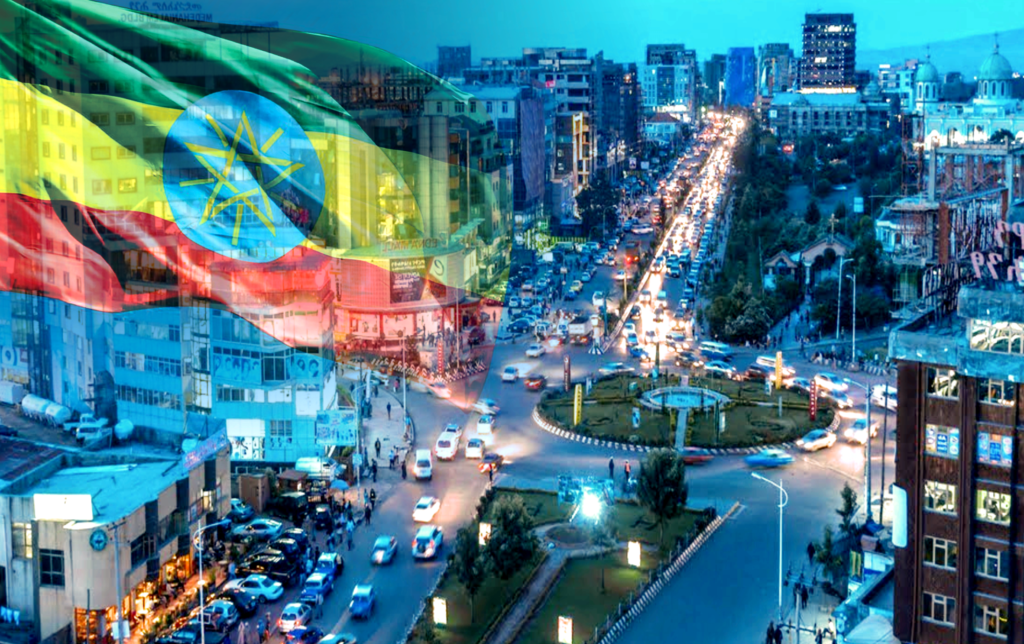
On a recent afternoon in Addis Ababa, Meseret, a mother of three who runs a small kiosk near one of the city’s newly renovated corridors, watched pedestrians stroll past decorative lights and fresh pavements. The street looks better than it did a few years ago, she admits. However, her business tells a different story. Rent has doubled, foot traffic no longer translates into sales, and the uncertainty of relocation hangs over her family like a cloud.
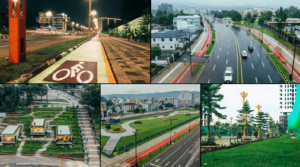
Scenes like this sit uneasily beside the official narrative of transformation. Over the past few years, Ethiopia’s capital has been reshaped by corridor developments, widened walkways, bike lanes, river clean-ups, and refurbished public buildings, regularly celebrated as proof of deep infrastructure investment. Visually, the change is undeniable. Economically and socially, the picture is far more complicated.
In development terms, infrastructure is not about how a city looks, but how it works. Power that stays on, water that flows, roads that link farmers to markets, affordable housing, reliable transport, schools, hospitals and digital connectivity, these are the systems that lower costs, raise incomes and create lasting jobs. By contrast, much of Addis Ababa’s recent spending falls into urban design: important for livability, but complementary to, not a substitute for, growth-generating investment.

This distinction matters more than ever. Ethiopia is grappling with inflation, foreign-exchange shortages, and pressure on jobs and household incomes. In such conditions, every birr has an opportunity cost. Money spent on high-visibility corridors is money not spent on stabilizing electricity supply, expanding water access, supporting agriculture, or improving regional connectivity. For traders like Meseret, the question is simple: what has this development produced that sustains her livelihood?
Public debate around these trade-offs has been strikingly muted. Residents affected by demolitions or mandatory property changes often speak in whispers, worried about compensation, access to services, or being branded “anti-development”. Still, silence should not be mistaken for agreement. When development is delivered through pressure rather than participation, trust between citizens and the state frays.
Supporters of the corridor projects point to real gains: cleaner streets, safer walking spaces, and a more polished city image. Yet, benefits are unevenly distributed. Many low-income families report displacement, rising rents, and disrupted informal businesses, while advantages concentrate in politically symbolic areas. The risk is a regressive outcome of public spending that raises costs for the poor while delivering prestige for the state.
The same tension between symbolism and substance surfaces in national rhetoric. Grand visions from artificial intelligence universities to technological leapfrogging, signal ambition; but ambition without sequencing can misfire. In a country where most people still depend on small-scale agriculture and basic services remain fragile, advanced technologies require foundations that are not yet secure.
True development is rarely glamorous. It is slow, technical, and often invisible: keeping the lights on, water clean, markets connected and schools functioning. It also depends on consent and listening to yearnings of families, businesses and communities whose lives are reshaped by this policy.
As Addis Abeba’s corridors gleam under new lights, the extensive challenge remains unresolved. Is Ethiopia investing in projects that look like development, or in systems that distribute opportunity? Well, as for Meseret and countless others who experience higher costs and marginal benefits, the answer will not be found in aesthetics, but in querying whether the development ultimately works for the people who live with it everyday.