
Young Nigerians Killed in Luhansk Strike, Spotlights Recruitment Practices, Accountability and Families that Bear the Brunt
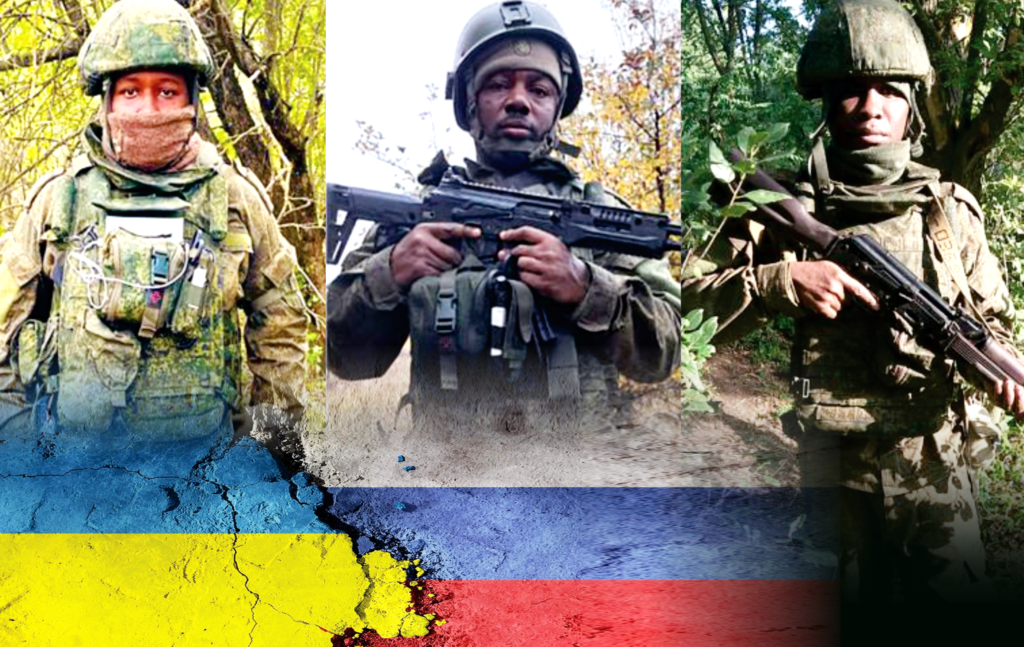
42 years old Hamzat Kazeen Kolawole and Mbah Stephen Udoka at 37, two Nigerian men, have been confirmed dead in Ukraine’s eastern Luhansk region, where they were serving in Russian military positions, according to Ukraine’s Main Intelligence Directorate.
In a statement, Ukrainian officials said the men were killed in late November during an attempted assault on Ukrainian lines and were struck by a drone before engaging in direct combat. They were reportedly attached to the 423rd Guards Motor Rifle Regiment of Russia’s 4th Guards Kantemirovskaya Tank Division.
The intelligence report alleges that Udoka was deployed to occupied Ukrainian territory just five days after signing a contract, with no formal military training. Kolawole’s training record, is missing. Though it is highly likely he also received little preparation. The Russian Embassy in Nigeria has denied the existence of any state-backed programme to recruit Nigerians to fight in Ukraine, with Ambassador Andrey Podyolyshev stating that any such recruitment would not be connected to the Russian government. Nonetheless, these Nigeria families are now caught in a distant Europe’s war story.
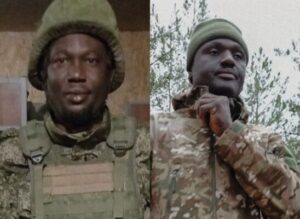
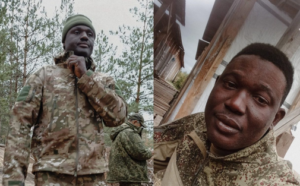
The news has reverberated thousands of kilometres away in Nigeria, far from the battlefield. Kolawole leaves behind a wife and three children. A fact that has shredded public attention on the human cost of foreign military recruitment. In respect to these families, the implications would be immediate and strongly felt; because of the sudden loss of economic support, funeral arrangements complication due to the involvement of international logistics, and unanswered questions about how/why their loved ones ended up on the front lines of a distant conflict.
In communities where overseas employment is often seen as a pathway to economic stability, the line between opportunity and risk can blur at anytime if precaution is amiss. If, as some international media reports suggest that recruits were initially offered security or civilian roles before being deployed into combat, families may have had some little understanding of the extreme stretch of attempts by their loved ones. The deaths have also sparked quiet conversations in parts of Nigeria about the causal-factors of migration pressures, ending in misleading overseas offers.
Ukraine’s intelligence agency framed the incident as part of a broader pattern of foreign nationals being used in high-risk combat roles, warning that travel to Russia for work could result in deployment to assault units. The Kremlin has consistently denied coercive recruitment practices. Though, the controversy places Nigerian authorities in a delicate diplomatic position. Nigeria maintains formal diplomatic relations with both Moscow and Kyiv, and Abuja has generally avoided taking overt sides in the conflict and unfortunate circumstance.
Foreign policy analysts note that the case may test Nigeria’s consular systems and its capacity to track and protect citizens working abroad in volatile environments. It could also prompt calls for clearer government advisories on overseas security-related employment and stronger scrutiny of recruitment intermediaries operating within West Africa. At the same time, Moscow’s denial shows an effort to contain reputational damage in African countries where Russia has sought to expand diplomatic, military and commercial ties in recent years.
The involvement of Nigerians in the Ukraine/Russia conflict shows how the globalized labour markets has infused into conflicts platforms, presenting itself as foreign opportunities. Also, some social media platforms have carried videos and testimonies alleging minimal training and rapid deployment of foreign recruits. While some of these claims remain difficult to independently verify, they have fueled public debate about modern forms of mercenary service and economic desperation.
In Nigeria, military service abroad is not a common or culturally embedded pathway, in the same way it is in some other countries. As a result, news of Nigerians dying in Eastern Europe has prompted confusion and, in some quarters, disbelief. Thus, religious leaders and community advocates have begun urging caution, warning young people against offers that promise quick income in unfamiliar jurisdictions. Civil society groups are also calling for better public awareness campaigns about the legal and personal risks of joining foreign armed forces.
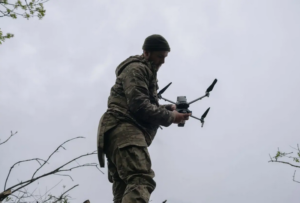
The deaths also draw attention to the evolving economics of warfare. As drone strikes and advanced battlefield technologies redefine combat in regions like Luhansk, lightly trained recruits may face disproportionate risk. Analysts argue that modern high-tech warfare leaves little margin for error, particularly for soldiers unfamiliar with the terrain or tactics. If investigations confirm that foreign recruits were inadequately prepared, questions could also arise about contract transparency, social-security and the legal protections available to non-citizens serving in foreign militaries.
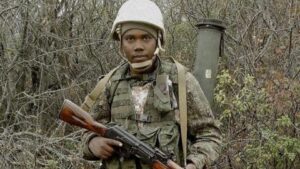
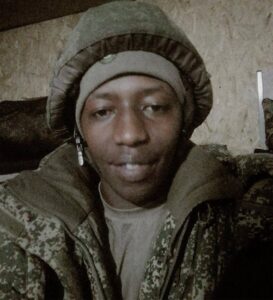
At the moment, many of the specifics remain contested between Kyiv and Moscow. What is certain is that two Nigerian families are grieving, and that their loss has widened the lens through which Nigerians view a conflict-platform-for-opportunity, often perceived as geographical socioeconomic window.
As the war in Ukraine continues to draw in foreign nationals from multiple continents, the deaths of Kolawole and Udoka stand as a firm reminder that the consequences of modern conflict extend far from the front lines into homes, communities and diplomatic corridors across the globe.