
Zambia Breaks New Ground by Accepting China’s Yuan for Mining Taxes
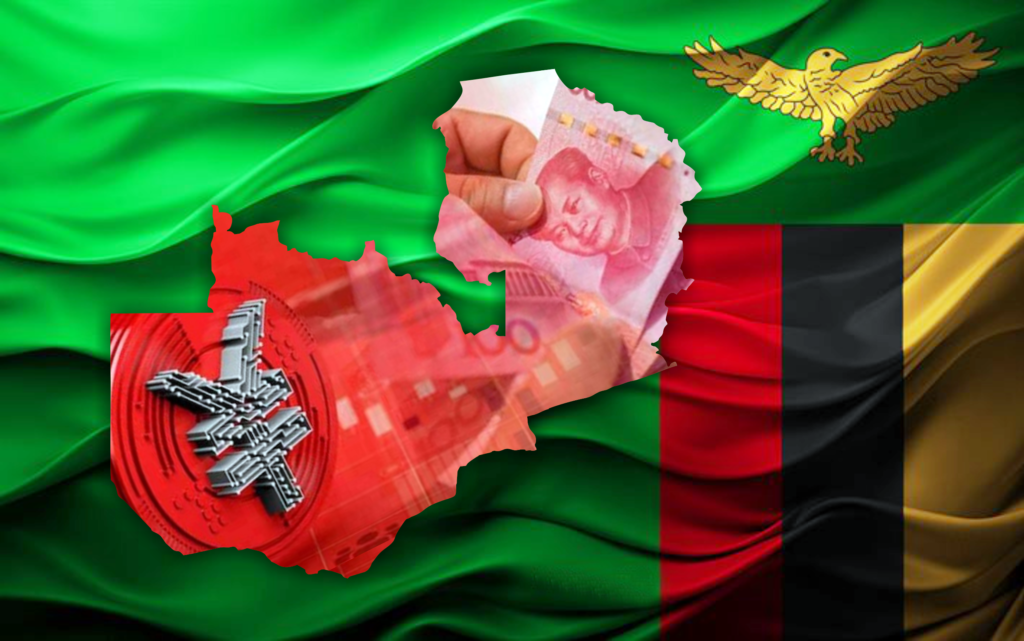
Transactional policy reshapes currency-politics in Africa’s copper heartland, with ripple effects from family livelihoods to global finance.
Zambia has taken an unprecedented step in Africa’s resource economy, becoming the first country on the continent to formally accept China’s Yuan for mining taxes and royalties. The decision, confirmed by the Bank of Zambia, marks a turning point not only in how Africa’s second-largest copper producer manages its revenues, but also in how China’s economic power is quietly reshaping financial systems far beyond its borders.
Payments in renminbi began in October, according to the central bank, allowing Chinese mining companies operating in Zambia to settle part of their tax obligations in their home currency. While the policy change may appear technical, its implications stretch across family incomes in mining towns, national debt strategy, regional currency politics and the evolving balance of power in the global commodities trade. Impacting copper transaction, currency-by-payment structure and everyday lives.
Copper is the backbone of Zambia’s economy, supporting hundreds of thousands of families directly and indirectly. From miners in the Copperbelt to traders, transporters and small businesses that depend on mining activity, government revenue from the sector underwrites salaries, social services and infrastructure.
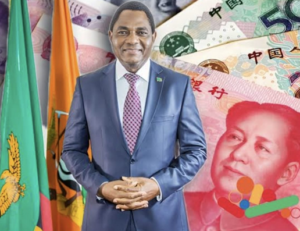
In respect to the ordinary Zambians, the acceptance of yuan will not immediately change the currency in their wallets. Wages, taxes and consumer prices remain denominated in kwacha. But economists say the move could have longer-term consequences if it stabilizes government finances. Lusaka-based financial analyst said “when the state manages its reserves more efficiently, that affects everything from hospital funding to fuel prices. If debt servicing becomes cheaper, the pressure on public spending eases”.
At the same time, labor unions and civil society groups are watching closely. Some worry that deeper financial integration with China could further entrench foreign dominance in the mining sector unless accompanied by stronger transparency and local participation.


A calculated shift by the central bank; the Bank of Zambia framed the policy as a pragmatic response to economic reality. China is Zambia’s largest buyer of copper and one of its biggest creditors. Many Chinese mining firms already receive export payments in yuan, making dollar conversion an extra cost. “A large portion of copper exports go to China, and the Chinese mining firms already receive some, if not all, of their payments in renminbi. Purchasing renminbi enables the bank to diversify and build up its reserves”, the central bank said in a statement.
Holding yuan also allows Zambia to service its Chinese debt more cheaply, reducing exposure to the US dollar and associated transaction costs. During Zambia’s recent debt crisis, foreign-exchange shortages and a volatile dollar made debt repayments particularly painful.

To support the transition, the central bank has begun publishing an official yuan-kwacha exchange rate, giving mining companies the option to use either dollars or yuan when paying taxes. The system builds on earlier rules introduced during the debt crisis that required miners to sell foreign currency to the central bank to shore up depleted reserves. The view into business confidence and quiet diplomacy.
The policy lowers operational friction and gestures a friendlier regulatory environment to the Chinese mining companies,. Industry executives say it reduces currency risk and aligns Zambia more closely with China-centered supply chains.
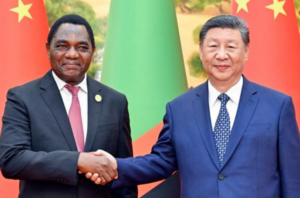
Diplomatically, the move reflects a careful balancing act. Zambian authorities have avoided framing the decision as a political alignment with Beijing, instead presenting it as a business-driven reform. Still, analysts say it reinforces China’s position not just as a trading partner, but as a financial anchor in Africa’s extractive industries. A political economist said “this is how influence evolves in the 21st century. Not through flags or bases, but through settlement systems, reserve currencies and debt structures”.
Zambia’s decision fits into a broader pattern across Africa, where several governments are exploring ways to use the yuan to manage Chinese debt and trade exposure. Kenya recently converted part of its Chinese debt into yuan, a move expected to save roughly $250 million a year after restructuring a $5 billion railway loan from China’s Export-Import Bank. Ethiopia has entered similar talks, and other resource-rich countries are quietly studying the model.


Beijing has seen that Africa has become a testing ground for its long-standing goal of internationalizing the yuan. While the currency still plays a limited role globally compared with the dollar or euro, its growing use in commodity trade and sovereign debt marks a strategic advance.
Questions of transparency and sovereignty lingers. Grassroots organizations and opposition figures in Zambia are calling for greater disclosure around mining revenues and currency management. They argue that while diversifying reserves may make financial sense, it should not reduce public oversight of a sector that has historically been linked to tax disputes and capital flight. Some civil society advocates believe there is nothing wrong with innovation, but Zambians need to know how much is being collected, in what currency and how it benefits communities where the copper is actually mined.
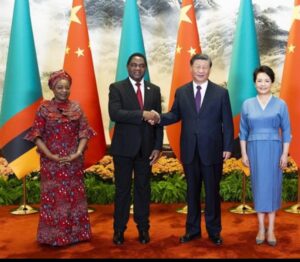
Government officials insist the reforms do not alter tax rates or weaken enforcement, only the currency of payment. This might be a diplomatic blowing-signal beyond the Zambians.
Ultimately, Zambia’s embrace of the yuan is less about abandoning the dollar than about adapting to a multipolar financial world. As China strengthens its role in Africa’s mining economy, its currency is following the copper.
However, to Zambia, the gamble is that smarter reserve management and cheaper debt servicing will translate into economic breathing room. But Africa sees this dimension in a larger question – who will shape the rules and who will reap the long-term rewards as new currencies enter the continent’s most strategic sectors?