
Tinubu’s No-Negotiation Stance: Batsari’s Death, Oyo School Abductions, Renew Debate Over Nigeria’s Security Strategy

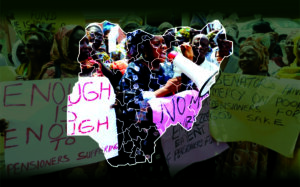
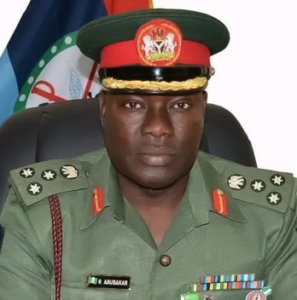
The death of retired Major-General Rabe Abubakar Batsari in terrorist captivity, alongside the abduction of more than 30 pupils, students and teachers in Oyo State, has reignited a nationwide debate about how Nigeria confronts kidnapping, banditry and terrorism, looming a rising breath of protest in various corners of Nigeria.
President Bola Tinubu’s insistence that the government will not exchange detained terrorists for hostages, followed reports that Batsari’s abductors demanded the release of arrested fighters, as a condition for his freedom. The former Director of Defence Information later died after nearly two weeks in captivity, while his wife remains in the hands of the kidnappers.
Nigerians mourns, as the tragedy has become a painful symbol of a security crisis that cut across all status of citizens regardless. Batsari, a retired senior military officer who once spoke on behalf of the armed forces, was abducted while travelling to a family wedding in Katsina State. His death highlighted growing fears that insecurity is reaching across social, professional and geographic boundaries.

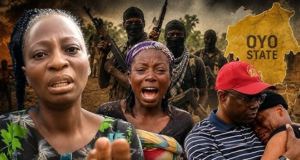
Regardless of the flying story-captions, the incident echoes the daily insecurity reality, faced by thousands of families across communities in Katsina, Kaduna, Borno and other conflict-affected states across Nigeria. Regarding most relatives of kidnapped victims, every phone call from abductors, brings a mixture of hope and anxiety. Many families exhaust their savings, sell property, withdraw children from school or abandon farms, in desperate efforts to secure the release of loved ones. The emotional toll, is often just as severe. Community leaders say the trauma of abduction, frequently lingers long after victims return home, affecting entire families and communities.
On the other hand, the continuing captivity of schoolchildren and teachers, as recently experienced in Oyo State, has deepened public concern. The children are still in walloping pain in captivity. Shortly after the kidnap, a display of one of the abducted teachers, who was killed, sparked protests in different Nigerian states through now; and renewed calls for stronger protection of schools. Parents, religious leaders and civil society groups claim that attacks on educational institutions threaten lives and the future of vulnerable communities.

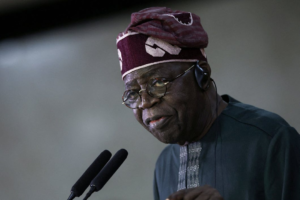
At the moment, the centre of the issue is that of the Nigerian President’s refusal to negotiate with terrorists. Supporters of the government’s position claim that granting concessions to terrorists, would embolden criminal networks, encourage further kidnappings and weaken state authority. The President’s warning that terrorists, bandits and their sponsors must surrender or face the full force of the law, shows an effort to project resolve in the midst of mounting public pressure for improved security.
However, some critics question whether a hardline approach alone, can address the humanitarian consequences of hostage-taking and terror banditry. They believe such hard-rejectful remarks, are often less regarded by most Nigerian families, who awaiting the return of their loved ones, from abduction.
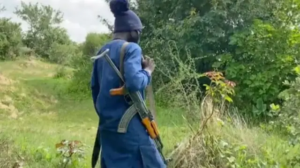
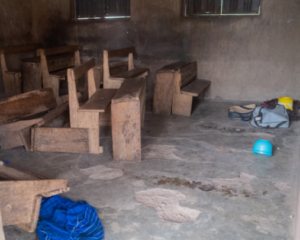

Also, security experts and community stakeholders strongly contend that military operations must be complemented by stronger intelligence gathering, improved rural security, community engagement and measures that address underlying drivers of insecurity, including poverty, unemployment and weak local governance.
The death of General Batsari and the continuing ordeal of abducted pupils and teachers from Oyo state, have therefore become more than isolated tragedies. They have renewed urgent questions about how Nigeria can protect its citizens, dismantle criminal networks and prevent families from facing impossible choices between principle and the lives of those they love.
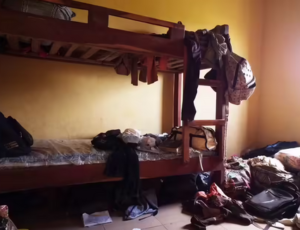
As the nation mourns the retired general and hopes for the safe return of the pupils/students and teachers, and those still in captivity, many Nigerians are demanding not only justice for the victims, but immediate lasting solutions to the insecurity pandemic that continues to affect families, schools, livelihoods, businesses and communities across the country.