
Examining the Complex Challenges of Performing Artists in the Nigerian Economy: The Paucity of Infrastructure and Policy Direction – by: Adeniran Makinde fta
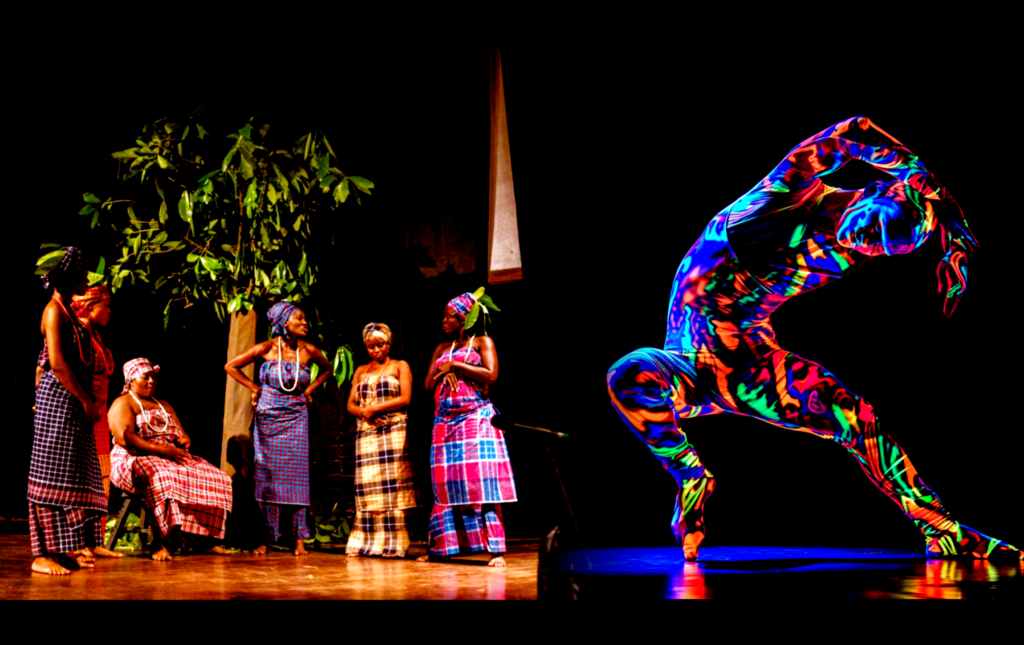
Nigeria is globally celebrated for its vibrant cultural industries. From Nollywood—the world’s second-largest film industry by volume to Afrobeats, which has become a dominant force on international music charts, Nigerian creative talents continue to attract global attention. Yet beneath these success stories lies a harsh reality: the majority of Nigerian performing artists struggle daily against formidable economic, infrastructural, and policy-related obstacles.
Performing artists, including actors, dancers, musicians, comedians, spoken-word artists, theatre practitioners, and cultural performers, occupy a unique position within society. They serve as storytellers, social commentators, custodians of culture, and agents of national identity. Despite their contributions to economic growth and cultural diplomacy, they often operate within an ecosystem plagued by inadequate infrastructure, weak institutional support, inconsistent government policies, and economic uncertainty.
The challenges confronting Nigerian performing artists are not merely individual struggles but systemic issues that reflect broader developmental shortcomings. Understanding these complexities is crucial to appreciating the resilience of artists and the urgent need for structural reforms.


The Emotional and Psychological Burden of Artistic Practice
The life of a performing artist is often romanticized. Audiences see the applause, red carpets, social media fame, and occasional financial successes. However, behind the scenes, artists endure immense emotional and psychological pressures.
The constant need to remain relevant in an increasingly competitive market creates anxiety and stress. Auditions, rejections, public criticism, fluctuating income, and career uncertainty contribute significantly to mental health challenges. For many artists, self-worth becomes closely tied to public acceptance and commercial success.
In Nigeria, where mental health awareness remains limited and professional counseling services are often inaccessible or expensive, many performers suffer in silence. The pressure is further compounded by societal expectations that regard artistic careers as unstable or less respectable than conventional professions.
Young artists frequently face resistance from family members who prefer careers in medicine, law, engineering, or finance. This lack of social validation can create feelings of isolation and self-doubt, making artistic perseverance even more difficult.
Economic Instability and Financial Insecurity
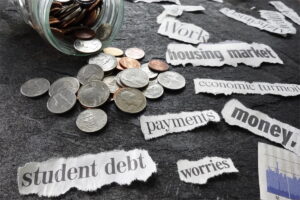
Perhaps the most significant challenge facing Nigerian performing artists is economic instability. Unlike professionals who receive predictable monthly salaries, most artists depend on project-based engagements. Income streams are irregular and often insufficient.
Actors may spend months between productions. Theatre practitioners struggle with limited performance opportunities. Musicians face challenges related to royalties, piracy, and event cancellations. Dancers frequently work without formal contracts or adequate compensation.
Nigeria’s recurring economic challenges, including inflation, currency depreciation, rising living costs, and unemployment, have further weakened artists’ earning capacity. As households prioritize basic necessities such as food, housing, and healthcare, spending on entertainment and cultural experiences often declines.
The result is a paradox: while Nigerian entertainment products generate global acclaim and significant revenues for a select few, the majority of creative workers remain financially vulnerable.
The absence of comprehensive social security systems, unemployment protection, health insurance coverage, and pension schemes for freelance artists exacerbates this vulnerability. Many performers continue working into old age without financial safeguards or retirement plans.
Inadequate Performance Infrastructure
Infrastructure remains one of the most critical barriers to the growth of Nigeria’s performing arts sector.
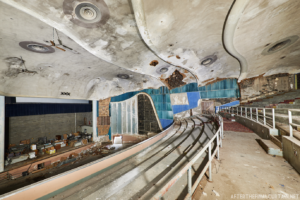
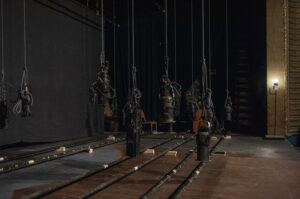
Across a nation of over 220 million people, there is a glaring shortage of professionally equipped theatres, concert halls, rehearsal spaces, and cultural centers. Many existing facilities suffer from poor maintenance, outdated equipment, inadequate acoustics, and unreliable power supply.
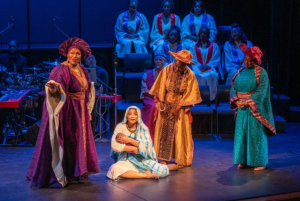
The decline of public theatre culture is particularly concerning. Numerous state-owned cultural centers and performing arts venues have fallen into disrepair due to years of neglect and underfunding. Consequently, theatre practitioners often resort to unconventional venues such as school halls, hotels, churches, and open spaces to stage productions.
This shortage of infrastructure affects not only artistic quality but also audience development. Without accessible venues, communities are deprived of regular exposure to live performances, limiting opportunities for cultural participation and artistic appreciation.
The situation contrasts sharply with countries that have invested heavily in cultural infrastructure, recognizing the arts as both economic assets and instruments of national development.
The Absence of Coherent Cultural Policy
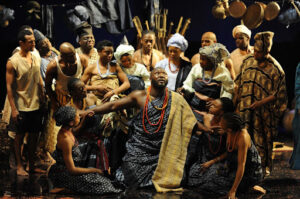
A recurring concern among stakeholders in Nigeria’s creative sector is the lack of a comprehensive and consistently implemented cultural policy framework.
While government officials frequently acknowledge the importance of the creative economy, policy interventions often remain fragmented, inconsistent, or poorly executed. Successive administrations have launched various initiatives aimed at supporting creative industries, but many have failed to produce sustainable outcomes.
For performing artists, the absence of clear policy direction manifests in several ways:
- Limited access to grants and funding
- Weak intellectual property
- Insufficient tax incentives for cultural
- Inadequate support for touring
- Poor integration of arts education into national development
- Lack of structured career development
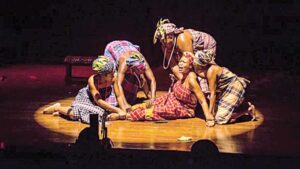
Without a coherent long-term vision, artists are left to navigate a challenging environment largely on their own.
Funding Constraints and Access to Capital
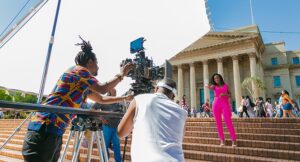
Securing funding remains one of the greatest obstacles for performing artists and cultural entrepreneurs.
Banks and financial institutions often view artistic ventures as high-risk investments. Consequently, artists encounter significant difficulties obtaining loans, sponsorships, or investment capital.
Independent theatre productions, music tours, dance festivals, and cultural events frequently rely on personal savings, crowdfunding, or informal borrowing arrangements. These funding limitations restrict artistic experimentation and innovation.
Corporate sponsorship, while available in some instances, tends to favor high-visibility events with strong commercial appeal. Emerging artists and experimental projects often struggle to attract financial support.
The lack of specialized cultural financing mechanisms means that many promising creative ideas never progress beyond the conceptual stage.
Digital Transformation and Emerging Challenges: The digital revolution has created both opportunities and challenges for Nigerian performing artists.
Social media platforms, streaming services, and digital distribution channels have enabled artists to reach global audiences without traditional gatekeepers. Musicians can upload content directly to streaming platforms, while actors and comedians can build audiences through digital content creation.
However, digital transformation has also intensified competition. Artists now compete not only with local peers but with creators from around the world. The pressure to produce continuous content can lead to burnout and reduced artistic quality.
Moreover, inadequate internet infrastructure, high data costs, and inconsistent digital monetization systems limit the benefits many artists can derive from online platforms.
Piracy remains another persistent concern, depriving creators of revenue and undermining the sustainability of creative enterprises.
Education, Training, and Professional Development
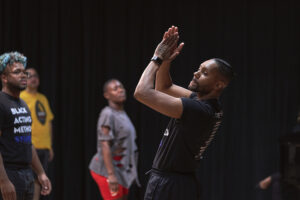
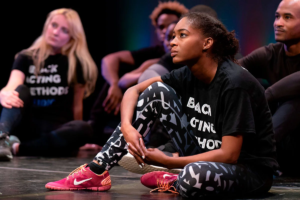
Nigeria possesses several respected institutions offering arts and theatre education. Nevertheless, significant gaps remain between academic training and industry realities.
Many graduates emerge with strong theoretical knowledge but limited exposure to contemporary production technologies, arts management, digital marketing, and entrepreneurial skills.
Continuous professional development opportunities are scarce, particularly outside major urban centers. This contributes to uneven skill development across the sector.
Furthermore, arts education is often undervalued within national educational priorities, resulting in inadequate funding, outdated facilities, and limited research support.
A robust performing arts ecosystem requires sustained investment in talent development from primary education through professional practice.
Gender and Inclusion Challenges
Female performing artists often encounter additional barriers, including gender discrimination, unequal pay, harassment, and limited access to leadership opportunities.
Similarly, artists from rural communities and marginalized groups frequently face restricted access to resources, training, and professional networks.
Addressing these disparities is essential for building a more inclusive and representative cultural sector capable of reflecting Nigeria’s diversity.
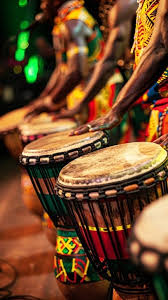
The Untapped Economic Potential of the Creative Sector
Despite these challenges, the performing arts sector remains one of Nigeria’s most promising economic frontiers.
Globally, creative industries contribute trillions of dollars to economic output and support millions of jobs. Nigeria’s youthful population, rich cultural heritage, and expanding digital ecosystem position the country to become a major global creative powerhouse.
Strategic investments in infrastructure, policy reform, education, technology, and financing could unlock enormous opportunities for employment generation, tourism development, international cultural exchange, and economic diversification.
The success of Nollywood and Afrobeats demonstrates what is possible when talent meets opportunity. Similar growth could be achieved across theatre, dance, live performance, and other cultural disciplines with appropriate support structures.
The challenges facing Nigerian performing artists extend far beyond the stage. They encompass emotional resilience, economic survival, infrastructural deficiencies, policy neglect, funding shortages, and technological adaptation. Yet despite these obstacles, Nigerian artists continue to create, innovate, and inspire.
Their resilience is a testament to the enduring power of creativity. However, resilience alone cannot sustain an industry. Meaningful progress requires deliberate action from government institutions, private investors, educational bodies, cultural organizations, and society at large.
If Nigeria is to fully harness the transformative potential of its creative economy, it must move beyond celebrating artistic success stories and address the systemic barriers that constrain artistic development. Investing in performing artists is not merely a cultural obligation—it is an economic necessity and a strategic pathway toward national development.
The future of Nigerian performing arts depends not only on the talent of its artists but on the willingness of the nation to provide the infrastructure, policies, and support systems necessary for that talent to flourish.