

NNPC’s China Refinery Partnership Faces Crucial Test as Port Harcourt and Warri Evaluation Begins
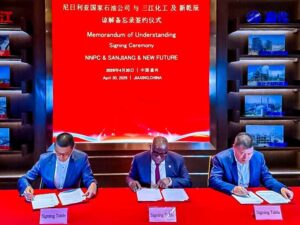
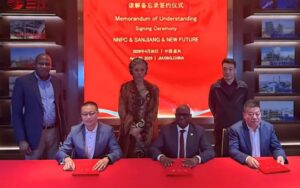
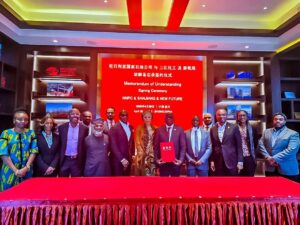
Nigeria’s long-running effort to revive its state-owned refineries has entered a new phase, with the Nigerian National Petroleum Company (NNPC) Ltd. beginning a comprehensive evaluation process following the signing of a Memorandum of Understanding (MoU) with Chinese firms Sanjiang Chemical Company Limited and Xinganchen (Fuzhou) Industrial Park Operation and Management Co. Ltd.
The proposed partnership, signed in Jiaxing City, China, is being positioned not as another refinery rehabilitation exercise, but as a larger technical and commercial alliance, aimed at transforming the Port Harcourt and Warri refineries into profitable, self-sustaining industrial assets. Considering the past budget allocations/expenditures of billions of dollars over several decades in attempting to restore Nigerian refining capacity, the initiative drives significant economic, diplomatic and social implications.
NNPC Group Chief Executive Officer – Bayo Ojulari, said the agreement emerged after months of engagement between Nigerian/the Chinese technical teams, and it was a subject to extensive technical, commercial and regulatory assessments, before any binding commitments were reached.
According to NNPC, the Chinese partners are funding the due diligence process, allowing independent evaluations of the refineries’ operational condition, investment requirements and long-term commercial prospects, without additional financial exposure for NNPC during the assessment stage.
The development is sign of the growing economic partnership between Nigeria and China, which has growingly expanded beyond infrastructure financing into strategic sectors such as energy, manufacturing and industrial development. Some people view the refinery discussions as part of a bigger diplomatic framework, in which Beijing is forwarding its presence in the Africa’s largest economy, through technology transfer, industrial cooperation and long-term investment partnerships.
Away from refinery rehabilitation, the proposed collaboration includes plans to expand petrochemical production, develop gas-based industries and establish integrated industrial hubs around refinery locations. Such projects could support Nigeria’s ambitions to move past crude oil exports and create greater value within its domestic energy sector.
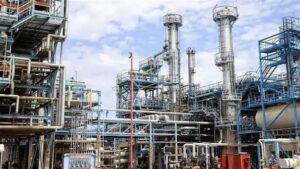
At the grassroots level, socioeconomic and developmental expectations are high. Communities around Portharcourt and Warri have witnessed years of fluctuating refinery activities, declining industrial opportunities and environmental concerns linked to ageing infrastructure. A successful revival could generate jobs, stimulate local businesses, improve supply chains and create new opportunities for skilled and semi-skilled workers.
The ordinary Nigerians perceive that the stakes would extend farther than employment. Industry experts also claim that improved domestic refining capacity, could help reduce dependence on imported petroleum products, strengthen energy security and ease pressure on foreign exchange reserves. More stable local production would also contribute to greater capacity in fuel supply, directly affecting transportation costs, families’ expenses and small businesses. So far, public skepticism abound loudly widespread.
Nigeria’s three state-owned refineries – Port Harcourt, Warri and Kaduna, have collectively absorbed substantial rehabilitation funding over the years, while consistently struggling to achieve sustainable operations. Repeated shutdowns, maintenance challenges and governance concerns, have powered public questions skeptically against the productivity of this latest initiative, asking if it will produce different results.
That reality explains why NNPC’s emphasis is on a performance-based partnership model. Rather than focusing solely on equipment replacement and facility repairs, the NNPC company says it is seeking technical equity partners capable of delivering operational efficiency, profitability and long-term management expertise.
Petroleum marketers and industry groups, have also called for transparency throughout the process. The Petroleum Products Retail Outlets Owners Association of Nigeria (PETROAN), has urged the government and NNPC to conclude negotiations prudently, and ensure that any eventual agreement protects national interests and delivers measurable outcomes.
Politically, the refinery initiative is happening at a time when energy security has become a major policy concern. Success in this direction, would strengthen confidence in ongoing reforms within the petroleum sector, and demonstrate the value of international partnerships, in addressing longstanding infrastructure challenges. However, failure in achieving this outcome, could intensify public scrutiny over past investments and raise fresh questions about the management of strategic national assets.
As technical and commercial evaluations continue, the outcome of the NNPC-China discussions may ultimately determine whether Nigeria’s refinery revival efforts, can finally move from recurring rehabilitation cycles to sustainable industrial transformation. Millions of Nigerians watching the process as one that represents more than a business negotiation. The think it is a test of whether strategic diplomacy, international investment and accountable management, can finally unlock the potential of assets that have stayed underperforming for decades.