
Trump’s Military Threats, Raise Tensions Across Mexico and Latin America
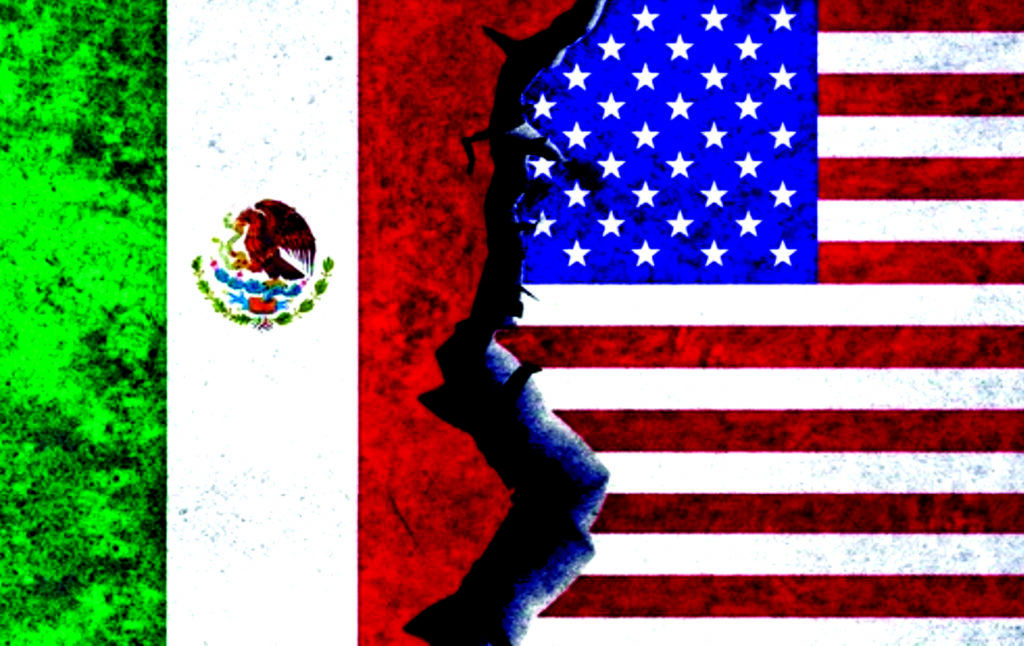
Fresh tensions are emerging across North America after U.S. President Donald Trump indicating he is prepared to use military force against drug cartels operating in Mexico and intensify pressure on Venezuela, triggering renewed concerns over regional security, sovereignty and economic stability.
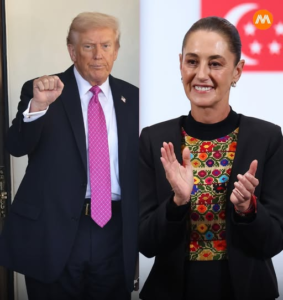
Speaking on November 17, Trump said he was prepared to take “whatever is necessary” to stop the flow of narcotics into the United States. He also announced broader powers to target vessels suspected of drug trafficking and suggested military action inside Mexico was not off the table. “I’m okay with whatever is necessary to stop the drugs“, Trump said when asked whether operations could extend into Mexican territory.
The remarks have sparked immediate concern in Mexico, where President Claudia Sheinbaum rejected any suggestion of foreign military intervention, insisting that security cooperation between the two countries must respect Mexico’s sovereignty. “There will be no invasion“, Sheinbaum said, while reaffirming her government’s willingness to work with Washington on combating organised crime through existing bilateral mechanisms.
The communities along the nearly 3200-kilometre US-Mexico border, are perceiving the rhetoric as a revival of fears that has heightened insecurity. Residents, traders and transport operators worry that any escalation could disrupt cross-border commerce, tourism and daily source of revenue that depend on one of the world’s busiest trading corridors.
Mexico is the United States’ largest trading partner, with billions of dollars in goods crossing the border each day. So, the perception of military confrontation could discourage investment, delay supply chains and further strain businesses that already grappling with inflation and security challenges.
The drug trafficking crisis, is central to Trump’s argument. US authorities claim that a significant share of illicit fentanyl entering the United States, is smuggled through Mexican trafficking networks, making cartel violence a key domestic political issue. Trump has repeatedly framed tougher action as a necessary tool, to protect American lives from the opioid epidemic.
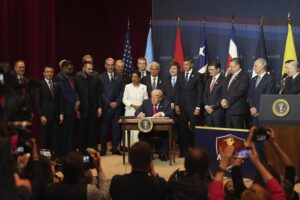
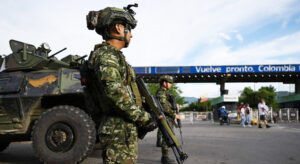
However, there are cautious opinion that military operations inside a sovereign nation, would carry significant diplomatic and legal consequences. While targeted strikes against cartel infrastructure or maritime trafficking routes remain more plausible than a full-scale intervention, any unilateral action would likely trigger a sharp deterioration in US-Mexico relations and raise questions under international law.
The regional concerns transcend Mexico. Trump also reiterated that he did not rule out military action against Venezuela, while he was moving to decimate the Cartel of the Suns, an alleged criminal network/terrorist organisation linked to senior Venezuelan officials. The move could expand US security operations across the Caribbean and further expand the tensions with Caracas.

To the ordinary citizens across Latin America, the growing standoff raises bigger anxieties. Asides geopolitics, there are fears that escalating confrontation could fuel migration pressures, disrupt regional trade, increase security spending and divert attention from economic development. Political observers say Trump’s hardline stance, also serves a domestic purpose, reinforcing his promise to crack down on drug trafficking and organised crime, ahead of key political battles at home. Whether this statements would translate into expanded military action or not, no one can tell; but it has already reshaped the diplomatic landscape.
With Washington insisting that all options remain available, and Mexico firmly rejecting any violation of its territory, the coming months are expected to test the steadfastness of one of the Western Hemisphere’s most important bilateral relationships, yet placing Latin America’s fragile security balance, under renewed strain.