
The 25-Minute Pause Dynamics, is FIFA Killing Football’s Rhythm or Revamping a Sporteconomy?
Football is a game of momentum. It is a sport built on the clock, on the continuous flow of energy, and the psychological “red-lining” of human endurance. Now, whispers from FIFA suggest a potential shift: a 25-minute halftime break.
At first glance, it sounds like a logistical adjustment. Look closer, and you realize it is a structural revolution. As we analyze the potential impact of this change, we have to ask: Is this for the players, or is it for the ledger?

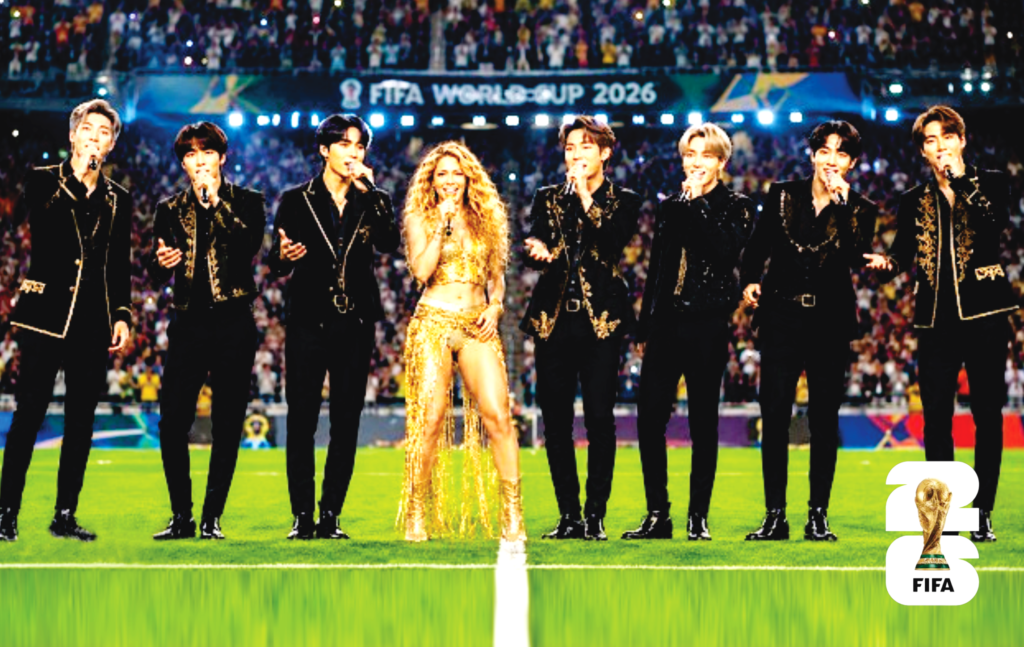
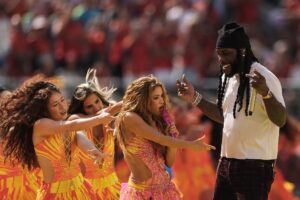
The move is clear to FIFA. 25-minute break is a goldmine for broadcasters and sponsors. In the modern sports entertainment economy, time is money. An extended break allows for Super Bowl-Style Spectacles; a 25-minute window allows for high-production concerts, massive advertising slots, and global activation events that the current 15-minute window simply cannot accommodate.
Longer breaks allow for deeper analysis, AI-driven tactical breakdown segments, and premium betting integration, turning halftime into a profit-generating “third half“. Most nations on the pitch would see the impact as double-edged.
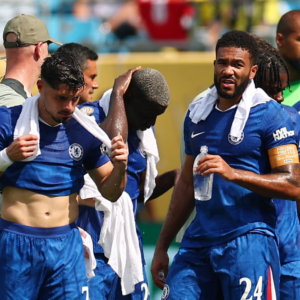
Physiologically, the body is a machine that relies on heat. After 45 minutes of high-intensity aerobic activity, a 25-minute stoppage risks “muscle locking.” Players would need to perform significant re-warm-up routines to prevent injury, turning the break into a stressful transition rather than a recovery.

With respect to a manager view, 15 minutes is a sprint enough to change a system. But 25 minutes? That is an eternity. It allows for exhaustive tactical re-modeling, potentially allowing “weaker” teams to completely neutralize an opponent’s momentum. It could effectively reset the “psychological clock” of the match.
The risk here is ‘rhythm’. Football is uniquely attractive because of its lack of frequent, jarring stoppages, unlike American sports, which are defined by them.
If a team is dominant, a 25-minute rest is their worst enemy. It gives the trailing side too much time to recover, reorganize, and regain their composure. It could lead to a “stop-start” second half where the fatigue of the rest itself, the mental lull of sitting still for nearly half an hour, might actually lead to a slower, more lethargic pace of play in the second 45.


FIFA is looking to transform the World Cup into a “global event” that rivals the entertainment scale of the Super Bowl. But in doing so, they are testing the fragile chemistry that makes football “football“.
The question for us, as analysts, is whether the game can withstand the pause. If we turn the halftime break into a commercial stage, we risk cooling the very intensity that we pay to watch. The game has always been about the 90-minute narrative. If you stretch the middle, do you risk breaking the story?