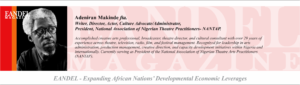

The Complicity of The Creative Industry Players and Government In National Development – By Adeniran Makinde, fta. (National President, NANTAP)

The Nigerian creative industry has, over the years, emerged as one of the country’s most visible exports, projecting our music, films, fashion, literature, theatre, and cultural expressions to the global community. Yet, despite its undeniable contributions to national identity, youth employment, and foreign exchange earnings, the sector remains largely underdeveloped, underfunded, and poorly coordinated. This contradiction raises a fundamental question: Are government institutions alone responsible for the industry’s challenges, or have creative industry practitioners themselves become complicit in the stagnation of a sector with immense potential?
This discourse seeks to interrogate the collective responsibility of both government and creative industry stakeholders in the failure to institutionalize international best practices, establish sustainable policies, and deliberately position the sector as a major driver of national development.
Government’s complicity is evident in the persistent absence of a coherent and enduring creative economy policy framework. Successive administrations have often treated the arts and culture sector as a ceremonial appendage rather than a strategic economic asset. Consequently, public investments in arts infrastructure, intellectual property protection, cultural education, and creative financing have remained inadequate. Institutions established to regulate and promote the sector are frequently weakened by bureaucracy, poor funding, and a lack of technical expertise.


Equally troubling is the industry’s own complicity. Many practitioners have failed to organize effectively, prioritize capacity building, embrace research, or demand accountability from public institutions. Professional associations are often fragmented, while advocacy efforts are sporadic and reactionary. There remains an alarming deficit in knowledge regarding global industry standards, audience development, cultural diplomacy, and the commercialization of intellectual property. The result is an industry that celebrates isolated successes while lacking the structures required for sustainable growth.
The world’s leading creative economies did not emerge by accident. Countries such as South Korea, the United Kingdom, and Canada have demonstrated that deliberate policies, public-private partnerships, and sustained investments in cultural infrastructure can transform the creative sector into a significant contributor to GDP. Nigeria, with its youthful population and cultural diversity, possesses even greater potential, yet continues to operate without a comprehensive roadmap for the future.


At the center of this conversation is Nigeria’s youth population. Millions of young Nigerians are already redefining global culture through music, digital content creation, animation, gaming, film production, and other creative enterprises. They have become an emerging powerhouse, often succeeding despite the system rather than because of it. However, without strategic intervention, this demographic advantage risks becoming a missed opportunity.
The absence of effective policy has created a vacuum where talent flourishes without institutional support. Critical questions therefore arise:
- What policies currently exist to support the creative economy, and are they fit for purpose?
- How prepared are government agencies to engage with the realities of a rapidly evolving global creative marketplace?
- To what extent have practitioners equipped themselves with the knowledge and competencies required to compete internationally?
- What role should educational institutions play in preparing the next generation of creative entrepreneurs?
- How can the creative industry become a deliberate instrument for job creation, social cohesion, and national development?

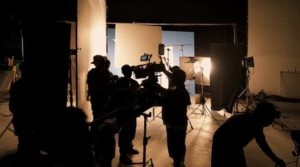

National development is no longer measured solely by industrial output or natural resources. Increasingly, nations are being defined by their cultural influence, innovation capacity, and ability to harness the talents of their citizens. The creative economy represents one of Nigeria’s greatest opportunities to diversify its economy and redefine its global identity.
This theme, therefore, challenges both government and industry practitioners to confront uncomfortable truths. It is an invitation to move beyond rhetoric and embrace responsibility. It calls for a new social contract between policymakers, practitioners, investors, educational institutions, and development partners.
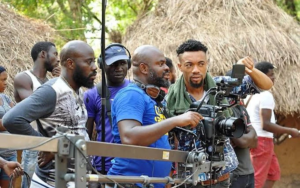
Ultimately, the future of Nigeria’s creative industry will not be determined by talent alone. It will depend on leadership, policy, knowledge, and the collective will to build institutions that can outlive individuals. Until government and practitioners alike acknowledge their shared complicity in the sector’s shortcomings, the promise of the creative economy as a catalyst for national development may remain unrealized.
The time has come to stop asking who is to blame and begin asking what must be done.