

World Brain Day 2026, Small Daily Habits That Can Help Protect Your Brain
As the world marks World Brain Day on July 22, health experts are calling for greater awareness of brain health and improved access to neurological care for everyone. The 2026 theme, “Brain Health: Access for All,” highlights the growing need to support the more than 40 per cent of the world’s population living with neurological conditions.
Established by the World Federation of Neurology (WFN), World Brain Day serves as a global reminder that a healthy brain is essential to living a healthy, productive and independent life. The campaign also seeks to reduce stigma surrounding neurological disorders such as stroke, Alzheimer’s disease, epilepsy, Parkinson’s disease and multiple sclerosis, while advocating equitable access to diagnosis, treatment and rehabilitation.
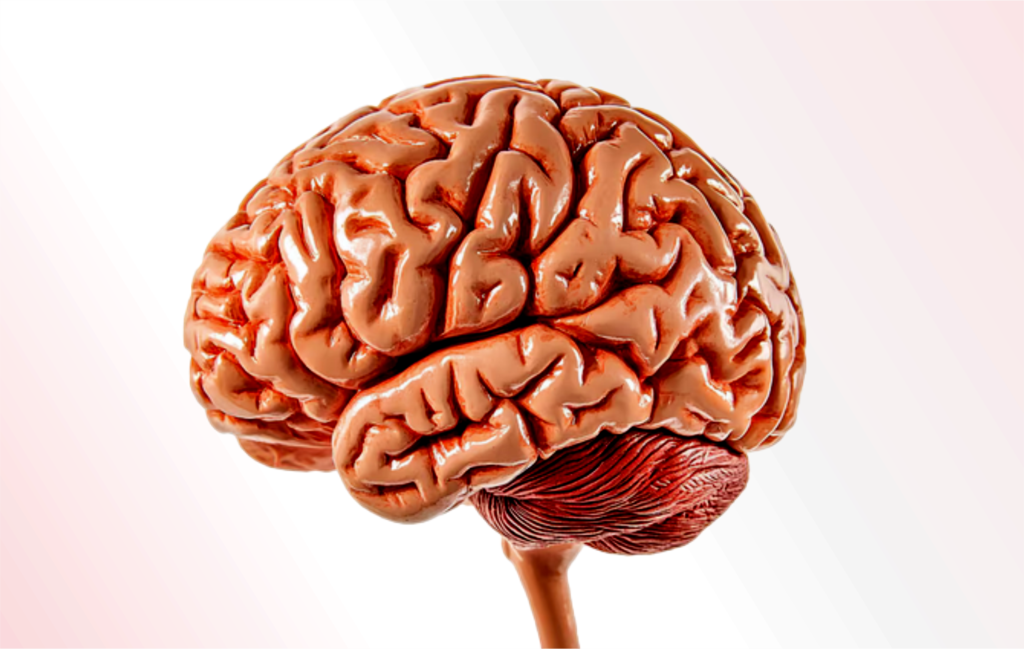
The human brain, though weighing only about 1.4 kilograms (3 pounds), is one of the body’s most remarkable organs. It contains roughly 86 billion neurons linked through trillions of synapses, enabling people to think, learn, remember, communicate, move and make decisions. Every action, from reading a newspaper and recognising a familiar face to solving everyday problems, depends on a healthy brain.
Medical experts say protecting the brain begins with simple lifestyle choices that can be adopted at home and within local communities. Eating a balanced diet rich in fruits, vegetables, whole grains, healthy fats and fish helps nourish brain cells, while regular physical exercise improves blood circulation and lowers the risk of stroke and cognitive decline.
Quality sleep also plays a critical role by allowing the brain to repair itself, consolidate memories and remove waste products. Managing stress through relaxation, social interaction, meditation or prayer can reduce the harmful effects of chronic stress on brain function.
Keeping the mind active is equally important. Reading books, learning new skills, solving puzzles, engaging in meaningful conversations and lifelong learning help strengthen the brain’s ability to adapt and form new neural connections, a process known as neuroplasticity.
Health professionals also encourage regular medical check-ups to detect conditions such as high blood pressure, diabetes and high cholesterol early, as these significantly increase the risk of stroke and other neurological diseases if left untreated.
This year’s observance highlights the importance of making quality neurological care accessible to everyone, regardless of income or location. Early diagnosis, affordable treatment, rehabilitation services and public education, can improve outcomes for millions of people living with neurological disorders.
World Brain Day was proposed by the World Federation of Neurology in 2013 and officially launched in 2014. It is observed every July 22 to commemorate the federation’s founding in 1957.
As communities around the world commemorate the day through public lectures, health campaigns and awareness activities, experts remind everyone that maintaining brain health is a lifelong commitment. Simple daily choices like eating well, exercising regularly, sleeping adequately, managing stress and keeping the mind engaged, can go a long way in protecting the brain and improving overall quality of life.