

The Price of Automation, US State Department Map Mislabels Every African Nation at Global Summit
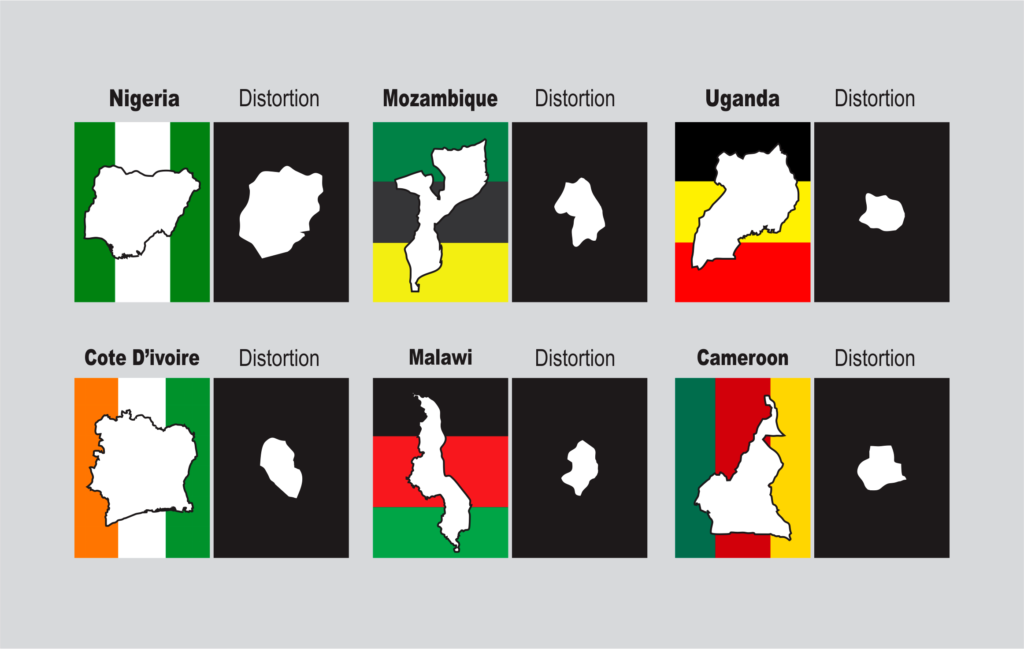
At a high-profile presentation at the Aids 2026 conference in Rio de Janeiro, the US State Department faced significant embarrassment when a displayed map of Africa mislabeled every single country on the continent. The incident, which has since gone viral, serves as a stark reminder of the dangers of relying on artificial intelligence without rigorous human oversight.
The erroneous map was part of a presentation showing the new health agreements and the President’s Emergency Plan for Aids Relief (PEPFAR). Attendees were stunned to see a version of Africa where geography had been completely rewritten:
- Nigeria, a nation where the US currently maintains hundreds of troops, was depicted as landlocked in the middle of the Sahara Desert.
- Mozambique, located in southeastern Africa, was moved to the Horn of Africa.
- Côte d’Ivoire was shifted from West Africa to the opposite side of the continent.
Screenshots of the presentation have spread across social media, with one LinkedIn post reaching approximately 40,000 views.
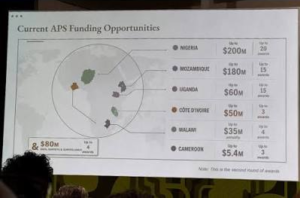
The watermark on the map indicates it was generated using one of OpenAI’s tools. The State Department took responsibility for the error, stating that it happened because a team member “hastily changed the slide deck” shortly before the presentation and failed to verify the accuracy of the AI-generated content.
Experts have been quick to point out that this was not just a technical glitch but a failure of process. Beneath the absurdity is something far more unsettling than a misplaced country. It is the sound of an institution forgetting how to know things and the lack of human oversight.
It underscores the critical need for verification when integrating AI into any workflow. While AI can generate visual content in seconds, it is prone to “hallucinations” and factual inaccuracies that can have real-world consequences. In this instance, the use of unverified AI-generated content led to what the State Department has described as a “misrepresentation” of its African partners.
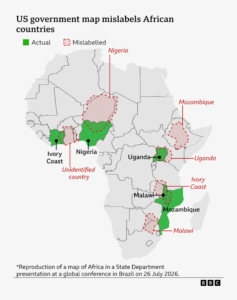
Picture Credit: BBC
Now there is an extra effort being put in by the State Department to reassure everyone that the rest of the conference was “substantive and constructive,” but the viral nature of the map has overshadowed the policy goals of the summit and raised questions about the internal vetting processes for official US foreign policy materials.
The use of AI tools has become more prevalent in the workflow of every sector; and this incident should serve as a cautionary tale, highlighting that Speed should never come at the expense of accuracy. The State Department’s map was not a failure of artificial intelligence. AI has never claimed to be accurate; it claims to be plausible. The failure was a lack of human oversight; someone generated the map, someone else, or perhaps no one, approved it, and someone stood to present it; this is an entire chain of human judgment collapsed under the weight of convenience. The “human in the loop” in the use of AI remains the most vital component in preventing digital errors from becoming diplomatic disasters.