
Jewel Howard-Taylor Former Liberian Vice President, Jailed Over Alleged US$135,000 Cocaine Payments
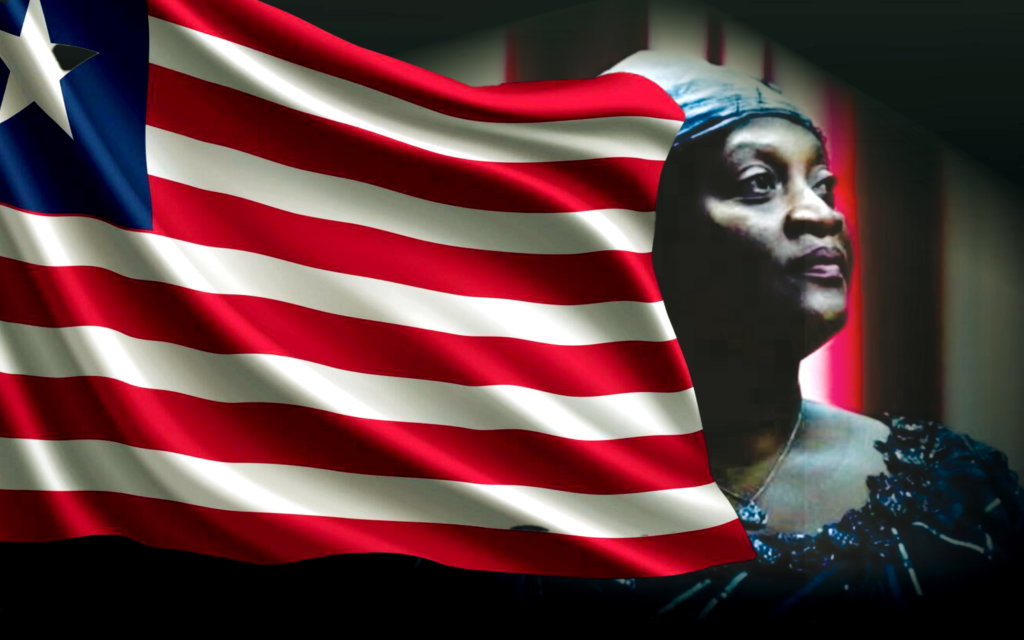
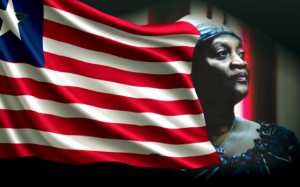
Liberia’s former Vice President, Jewel Howard-Taylor, has been detained at Monrovia Central Prison, after investigators accused her of receiving US$135,000 from individuals allegedly connected to a transnational cocaine trafficking network, turning a high-profile criminal case to a test of the country’s commitment to accountability.
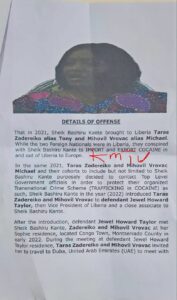
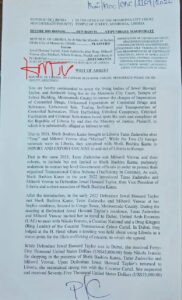
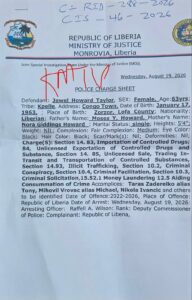
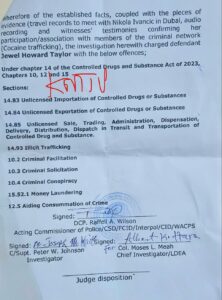
Howard-Taylor, who served as vice president from 2018 to 2024, was arrested on August 19 and subsequently charged before the Monrovia City Court with a range of offenses, including illicit trafficking, importation and exportation of controlled substances, criminal conspiracy, criminal facilitation and solicitation, money laundering, and aiding the consummation of a crime.
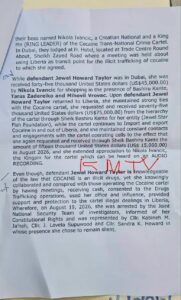
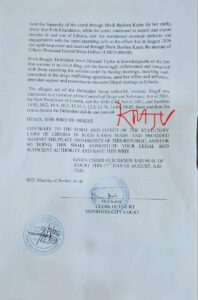
The Joint Special Investigation Team alleges that the former vice president received US$45,000 during a trip to Dubai, US$75,000 through Sheikh Bashiru Kante for her Jewel Star Fish Foundation, and a further US$15,000 in August 2026.
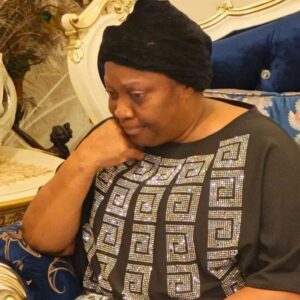
The case paints a picture of how international drug networks penetrate political, charitable organisations and business structures in Africa. It also shows the vulnerability of ordinary Liberians and the social damage associated with the cocaine trade on the different streets of Liberia.
Charitable organizations and foundations are often viewed by the public as instruments for community assistance. The allegation involving the Jewel Star Fish Foundation, therefore places an uncomfortable scenario intertwined in the investigation. You may ask how easily can institutions created to serve vulnerable people, be exploited knowingly or unknowingly by illicit financial networks.
Investigators say their case includes travel records, audio recordings, witness testimonies and evidence of alleged associations, between Howard-Taylor and members of the trafficking network. These claims now face the more demanding trial of judicial scrutiny.
The prosecution of a former vice president, is also politically sensitive, in a country where public confidence in institutions has often been weakened by allegations of corruption, patronage and impunity.
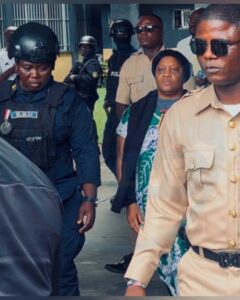
Howard-Taylor’s political stature, makes the proceedings unusually consequential. Her lawyers had sought compassionate detention at the Gómes Institute of Medical Science, but the court rejected the request and ordered that she be detained at a facility commonly known as South Beach.
The allegations bother greatly on the wider social structure of the Liberian society. Cocaine trafficking and other forms of organized crime, swells over just the individuals accused of facilitating them. In every social enclave, it affects people through powering addiction, fueling financial exploitation, sponsoring violence and eroding the trust from both public space and institutions.
At the grassroots level, the case could be particularly substantial because Howard-Taylor has been associated with charitable services and community-oriented initiatives. The alleged US$75,000 payment connected by investigators to her Jewel Star Fish Foundation, raises concerns on how criminal transactions involving public figures and charitable organizations, can affect beneficiaries who may have no connection to the alleged crime.
Probably, to the regular Liberian on the street, the issue should be more than the fate of one former top government official. Much more, with this case making the rounds, one may be asking if government institutions can protect lives and the social-fabric of rural/urban communities, from the growing reach of transnational organized crimes.
Anyways, based on the evidences and due process, the investigators say their case is supported by travel records, audio recordings, witness testimony and evidence of Howard-Taylor’s alleged association with members of the drug trafficking network. The charges include illicit trafficking, importation and exportation of controlled substances; criminal conspiracy, facilitation, solicitation, money laundering and aiding the consummation of a crime. The length/breadth of the allegations, depict a significant tryout of Liberia’s capacity to investigate sophisticated financial and trafficking networks, particularly where alleged transactions cross international borders and involves a political elite.
The case is still at the transit-point of accusations, meaning allegations await prosecutor’s prove of being guilty. Howard-Taylor is presumed innocent until she is proven guilty by a court of competent jurisdiction. The proceedings will ultimately determine whether prosecutors can substantiate the alleged payments, establish their connection to cocaine trafficking and prove the specific criminal charges against her.
With this issue be-settling Liberia political clime, the case lugs stakes that transcends the courtroom to scrutinizing political accountability, judicial independence and the capacity of the Liberian state to confront organized crime; and secure public confidence in the rule of law