
Over 100 Killed in Central African Republic Mine Landslide, Human Cost of Mining
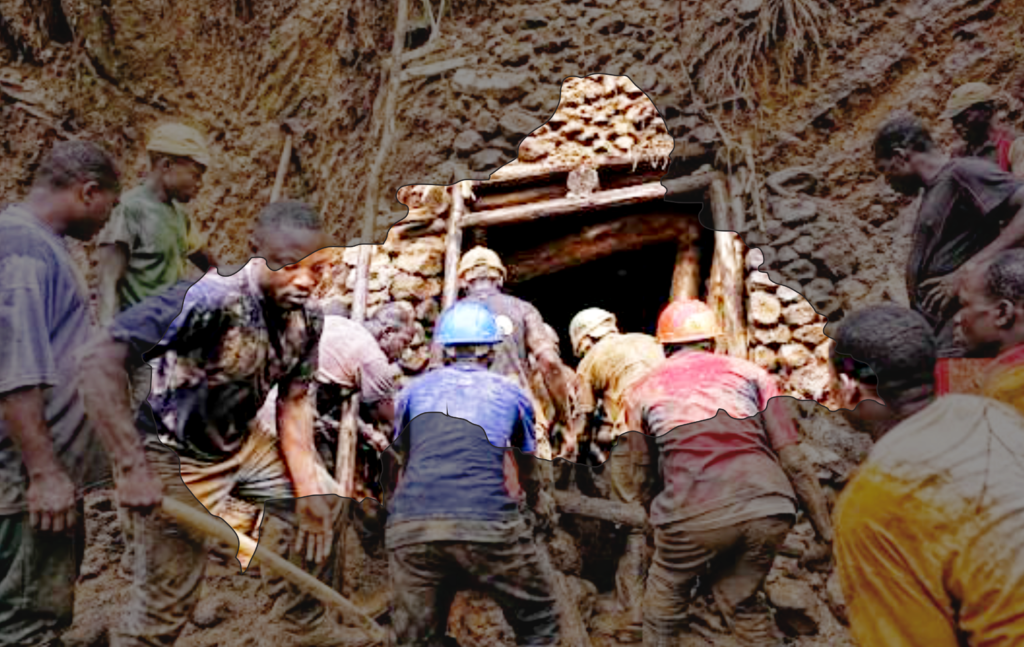
More than 100 people have been killed in a devastating landslide at an artisanal gold mining site in Zamboï, western Central African Republic, near the border with Cameroon.
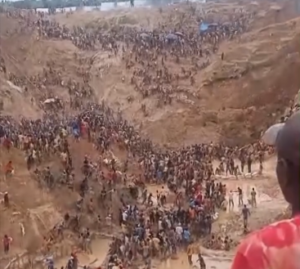
The disaster occurred when part of the mining site collapsed as people were working underground and around the area, triggering panic as miners and others scrambled to escape. Eyewitness accounts and video footage shared online showed scenes of confusion as the ground gave way and workers were buried beneath the collapsing earth.
Adamou Abdon, the mayor of the Cameroonian border town of Garoua-Boulaï, said rescue teams had recovered 107 bodies from the site. At least three of those killed were identified as Cameroonian nationals.
Grégoire Mvongo, the governor of Cameroon’s East Region, said arrangements were being made to repatriate the bodies of the Cameroonian victims for burial, while support measures were being coordinated for those who survived the disaster.
Survivors were taken for medical treatment, with injured victims transported to a hospital in Baboua, a town in the Central African Republic located about 50 kilometers from the landslide site.
A Livelihood Fraught with Danger
The scale of the Zamboï disaster has once again drawn attention to the dangerous conditions surrounding artisanal mining in the border region.
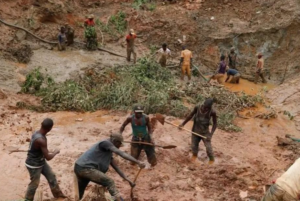
For many families, small-scale gold mining remains an important source of household income. Yet the sector often operates under poor working conditions, exposing miners to significant safety, health, and environmental risks.
Mine collapses and landslides are not uncommon in parts of the region. Open and unsealed mining pits can leave surrounding terrain structurally unstable, while heavy rainfall can saturate and weaken the soil, increasing the likelihood of mudslides and slope failures.
In the case of the Zamboï disaster, the public prosecutor in Baboua said the initial assessment pointed to the collapse of several underground tunnels where miners had been working.
Together, these conditions illustrate the dangers facing workers who depend on artisanal mining for their livelihoods, often with limited access to formal safety systems or adequate structural protection.
Authorities Launch Investigation
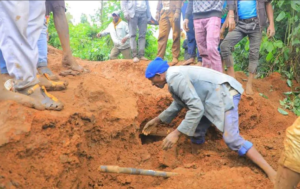
Authorities in the Central African Republic have opened an investigation to determine the precise circumstances surrounding the landslide and to establish responsibility for the disaster.
The investigation follows the initial assessment by the public prosecutor in Baboua, who identified the collapse of underground tunnels as a likely cause.
Government authorities are also coordinating the response to the humanitarian consequences of the tragedy. While injured survivors are receiving medical attention in Baboua, Cameroonian authorities are overseeing the repatriation and burial of their citizens who died in the collapse.
The Broader Cost of Unsafe Mining beyond Zamboï
The tragedy at Zamboï is not only a story about a mine collapse. It also raises broader questions about the conditions under which artisanal miners work and the systems designed to protect them.
The risks identified in the aftermath of the disaster point to several areas where stronger safety measures could reduce the likelihood of future tragedies.
Open and abandoned pits can leave the ground structurally compromised, making the proper filling and sealing of mining sites an important safety measure. Underground operations also require adequate structural reinforcement to reduce the risk of cave-ins.
Weather presents another major challenge. Periods of heavy or prolonged rainfall can weaken the soil and increase the risk of landslides. Warning systems and the temporary suspension of mining activities during high-risk weather conditions could help protect workers.
More broadly, the disaster has renewed attention on the need for stronger oversight of artisanal mining. Formalising aspects of the sector, improving access to basic safety training, and conducting routine inspections could help identify dangerous conditions before they result in large-scale loss of life.
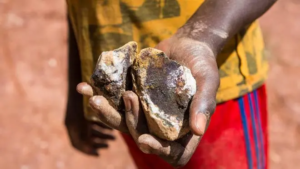
For communities in which artisanal mining provides a vital source of income, the choice to work in dangerous conditions is often shaped by economic necessity.
That is what makes disasters such as the one in Zamboï particularly devastating. Behind the number of people killed are workers, families, and communities whose livelihoods are closely tied to the mines.
The pursuit of gold creates economic opportunity, but the Zamboï tragedy is a reminder that where extraction takes place without adequate safety measures and effective oversight, the people producing that wealth can bear its greatest risks.
The investigation into the disaster may establish the immediate causes of the collapse, but the larger question extends beyond a single mine: whether the conditions that made such a tragedy possible will be addressed before another mining community is forced to count its dead.