
US Threatens Severe Sanctions as Iran Faces Economic Strain and Intensifies Diplomatic Outreach
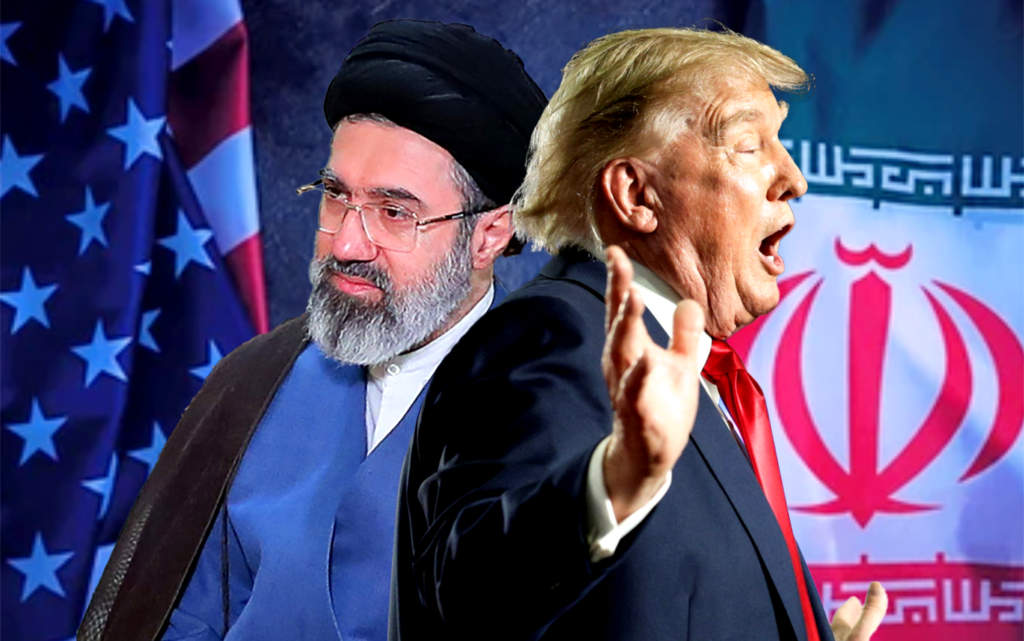
Washington is once again turning to one of its most powerful foreign-policy tools: access to the U.S. financial system. The latest warnings are characteristically severe: Treasury Secretary Scott Bessent has threatened immediate expulsion from the U.S. financial system for any entity assisting Iran with money laundering, while the administration threatens damaging sanctions against any country refusing to sever economic ties with Iran.
At first glance, the strategy appears to be producing results. U.S. President Donald Trump has declared that Iran is “collapsing”, pointing to a currency that has plummeted to a record low against the dollar. The economic data paints a bleak picture of internal strain, and there is no doubt that the Iranian population is enduring severe financial suffering.
However, the apparent success of the strategy may be premature, resting on a fundamental misreading of both Iranian history and regional geography.
First, there is the error of equating economic pain with political collapse. Iran’s economic deterioration is measurable, but economic pain does not automatically translate into political collapse. Decades of sanctions and isolation have forced the country to develop mechanisms for enduring prolonged external pressure.

Picture Credit: WSJ
This resilience was on full display in the reactions of Iranian officials. Rather than projecting panic, Finance Minister Ali Madanizadeh claimed Tehran is fully prepared to counter any impending sanctions. Meanwhile, top negotiator Mohammad Bagher Ghalibaf simply brushed off the U.S. threats entirely. While some of this is undoubtedly bravado for public consumption, it reflects a deeply ingrained regime posture: defiance in the face of external pressure is a core pillar of Tehran’s identity.
Second, and perhaps more importantly, Washington’s unilateral financial decrees are colliding with regional geopolitical realities. Tehran is not sitting idly by as its financial lifelines are squeezed; instead, it is actively cultivating regional diplomatic networks to bypass and blunt the impact of Western coercion. Iran’s ability to withstand economic pressure, however, does not depend solely on its domestic capacity for endurance. It is also shaped by the regional relationships that give Tehran alternative diplomatic, economic and strategic channels.
Pakistan’s army chief recently travelled to Tehran for meetings with senior Iranian officials, including Mohammad Bagher Ghalibaf. Pakistan’s relationship with Iran is shaped by shared border, security and economic considerations, making its engagement with Tehran more complex than a simple choice between alignment and opposition.
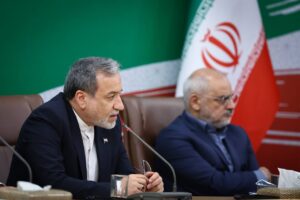
Even more significant is the scheduled arrival of Oman’s foreign minister in Iran. Oman has historically served as a critical diplomatic bridge between Iran and the West, but the agenda for these talks is focused on a highly strategic vulnerability: the Strait of Hormuz. The Strait of Hormuz gives Iran a form of strategic relevance that economic sanctions cannot easily erase.
A significant share of the world’s energy supplies passes through the narrow waterway, making its security a matter of international concern. Iran’s proximity to the Strait ensures that it remains an important actor in discussions surrounding maritime security, regional stability and the movement of global energy.
This illustrates a broader limitation of viewing geopolitical power solely through the lens of financial influence.
The United States retains enormous leverage through the global financial system. Access to the U.S. dollar and American financial institutions remains a powerful instrument of foreign policy, particularly for countries and companies that depend on international markets, but financial influence is not the only form of power.
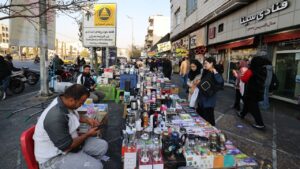
Geography, regional relationships and control over strategically important routes can also provide states with leverage. Iran’s position along the Strait of Hormuz means that, despite its economic difficulties, it remains central to a region that plays a critical role in global energy markets.
Economic pressure can weaken a state without necessarily determining its political future. Where geography, regional relationships and strategic interests create alternative sources of leverage, financial power alone may not be enough to produce the political outcome Washington seeks. Washington’s economic tools remain formidable, and Iran’s economic difficulties are equally real, but between financial pressure and political collapse lies a much more complicated regional reality.
Picture Credit: Atta Kenare-AFP | WSJ | Middle East Monitor