
Remapping the World: The UN’s “Correct the Map” Resolution, Sparks Debate Over Africa’s Priorities
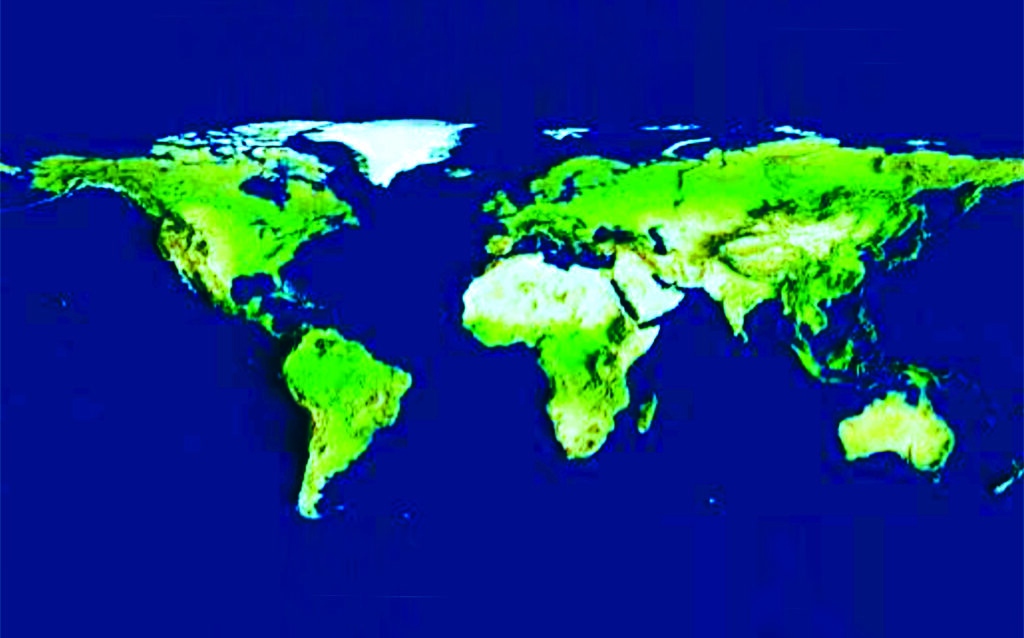
Earlier this week, the United Nations General Assembly passed the “Correct the Map” resolution in a landslide vote of 164 in favour, with the United States acting as the sole dissenting voice. Sponsored by Togo and championed on behalf of the African Union, the resolution seeks to overhaul how the globe is visually represented. However, the timing of this cartographic victory has left critics questioning its immediate necessity and tangible impact on the African continent.
At the heart of the initiative is a push to correct the visual distortions of the Mercator map projection, which was established in 1569 by Flemish cartographer Gerardus Mercator. The resolution advocates for replacing it with the Equal Earth projection, developed in 2018 by Bojan Šavrič, Bernhard Jenny, and Tom Patterson. Unlike the Mercator map, the Equal Earth projection accurately depicts the true relative sizes of global landmasses.
Defending the initiative, Togo’s Minister of Foreign Affairs, Regional Integration, and Togolese Abroad anchored the resolution in scientific accuracy, highlighting a glaring distortion of the Mercator design: Africa is 14 times larger than Greenland in actual landmass, yet the older map visually depicts Greenland as larger than the African continent.
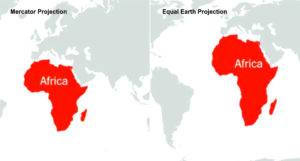
Advocates argue that this quest for accurate global optics serves several vital purposes:
- It actively attempts to dismantle entrenched geopolitical biases and historical colonial legacies.
- It provides a more accurate geographical baseline, which improves global planning and revenue allocation.
Despite these arguments, the pursuit has drawn sharp scepticism from observers who question how seriously the continent’s leadership is approaching its most pressing crises. Africa is currently grappling with a multitude of severe, multifaceted challenges, including systemic corruption, abuses of power, insecurity, active wars, heavy debt burdens, and massive infrastructural gaps.
As for most of these critics, the overarching question remains clear that beyond correcting geographical biases and historical legacies, what concrete solutions can an accurate world map offer to a continent in desperate need of substantive, structural reform?