

Inside the Blantyre Abduction, the Rescue of Nusrat Osman and the Uncertainties

The abduction of foreign nationals in Malawi is an uncommon security event, making the targeting of British citizen Nusrat Osman a significant incident for the country’s security and expatriate communities.
Osman’s recovery by the Malawi Police Service (MPS) on Thursday, 17 September, brought the immediate hostage crisis to an end, but the circumstances surrounding the abduction and the subsequent armed confrontation leave several important questions unanswered.
The case presents three distinct phases: the initial abduction in Blantyre, a week-long investigative effort during which the kidnappers made no known contact with the victim’s family or authorities, and an intelligence-led operation that culminated in her recovery on the city’s outskirts.
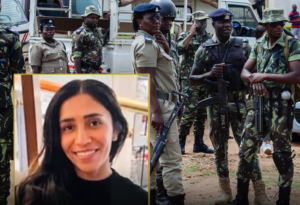
The incident began at approximately 12:30 p.m. in the Mount Pleasant neighbourhood of Blantyre. Osman was reportedly driving home when four unidentified men intercepted her vehicle. The attackers blocked her car and forced her into a waiting grey Nissan Dualis before fleeing the area.
The incident immediately placed pressure on the MPS to identify the perpetrators and establish the whereabouts of the victim.
The days following the abduction presented investigators with an unusual challenge. There were no publicly reported ransom demands, proof-of-life communications or political claims from the perpetrators. There was also no known contact with Osman’s family or the authorities during the week she was held.
That silence complicated efforts to establish the motive behind the kidnapping. In conventional ransom-driven abductions, communication with relatives or intermediaries can provide investigators with information about the perpetrators’ objectives and create an avenue for negotiation. In Osman’s case, the absence of such communication left several possibilities open, including financial, personal or other motives. But at that point, the motive remained unconfirmed.
As the search continued, authorities attempted to expand the flow of information by offering a financial reward for credible intelligence. The Malawi Police Service announced a reward of 30 million Malawi Kwacha, approximately £12,800 ($17,000), for information that could lead to Osman’s rescue and the identification and prosecution of those responsible.

The operation to recover Osman took place in the Mpemba/Chadzunda area on the outskirts of Blantyre. According to police accounts, officers encountered armed suspects, and an exchange of gunfire followed. The confrontation resulted in injuries to members of the security forces and the suspects involved.
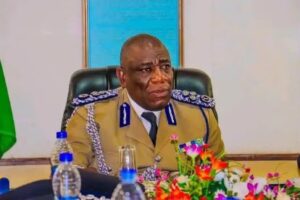
The suspects were reportedly armed with firearms, including an AK-47 rifle and a Girsan MC pistol. Deputy Inspector General Dr. Noel Kayira sustained gunshot wounds during the operation and was subsequently hospitalised. He was reported to be in stable condition.
Two suspects also sustained injuries during the confrontation and later died in hospital. Osman was successfully recovered and reunited with her family, bringing the immediate hostage situation to an end.
The operation has since drawn praise from political and community figures. Regional MP Atupele Muluzi described the rescue as an extremely dangerous operation, while Osman’s brother, Shobi Jiwa, praised Dr Kayira for the risks he took during the intervention.
The successful recovery, however, does not mark the end of the investigation. The rescue has provided investigators with an opportunity to reconstruct the entire operation, from the initial interception in Mount Pleasant to the location where Osman was held and the circumstances surrounding the final confrontation.
One of the first issues requiring clarification is the number of perpetrators. Initial reports indicated that four suspects had been neutralised. The MPS later clarified that two suspects died following the gunfight. This distinction is important because the original abduction involved four unidentified men.
If all four individuals were members of the same operational group, the whereabouts and identities of the remaining suspects would become a central focus of the investigation.
Authorities will also need to establish how the group selected Osman, how they transported and concealed her, and whether other individuals provided logistical or financial support during the period of her captivity.

For the MPS, the immediate success was the recovery of the victim alive. The longer-term test will be whether investigators can identify the wider network behind the operation and establish how the perpetrators were able to carry it out.
The case also demonstrates the importance of intelligence-led policing in kidnapping investigations. The financial reward may have helped generate information, but the precise intelligence chain that led authorities to the suspects remains an important part of understanding how the operation was ultimately resolved.