
The Life and Legacy of Olu Jacobs: Nollywood’s Iconic “Lion of Lufodo”
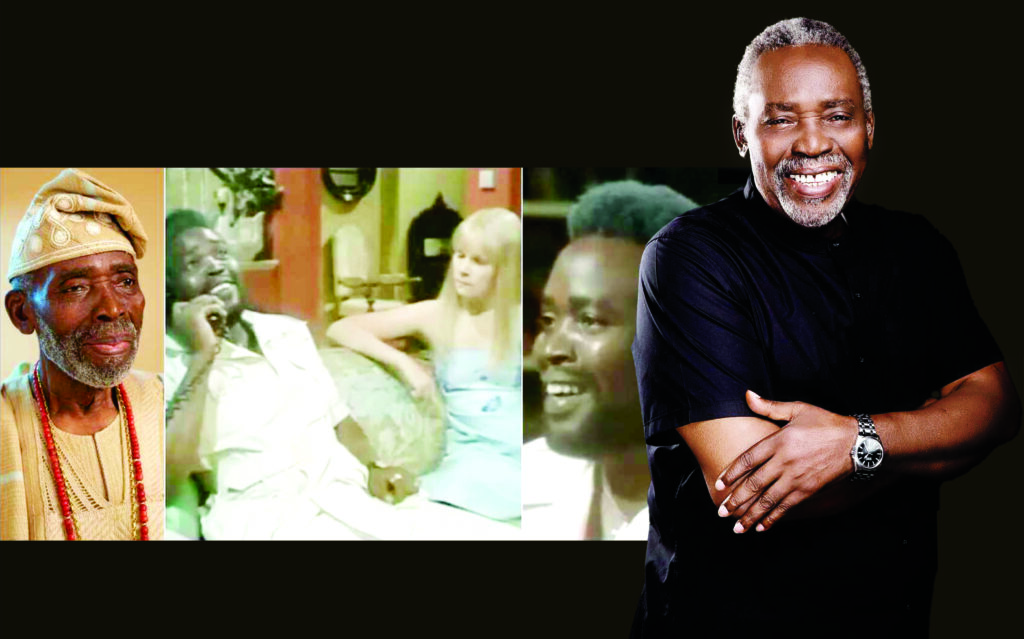
Olu Jacobs, one of Nigeria’s most celebrated actors and a towering figure in the country’s theatre and film industry, has died at the age of 84. His passing was announced by his wife, veteran actress Joke Silva, who asked for privacy as the family mourns his loss.
In remembering her husband, Silva described him as “The Lion of Lufodo” and reflected on a life well lived and fought. For more than five decades, Jacobs occupied a distinctive place in Nigeria’s performing arts. His career stretched from the theater stages of London to British television and international cinema before he became one of the defining faces of Nigeria’s emerging film industry.
Born on 11 July 1942, Jacobs developed an interest in acting early in life and eventually pursued formal dramatic training at the Royal Academy of Dramatic Art (RADA) in London.
His time at RADA marked the beginning of an international career that saw him appear in British television productions and feature films. The experience exposed him to a broad range of theatrical and cinematic traditions before he returned his attention to Nigeria and the development of its performing arts landscape.
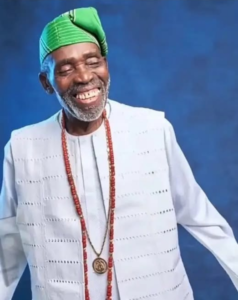
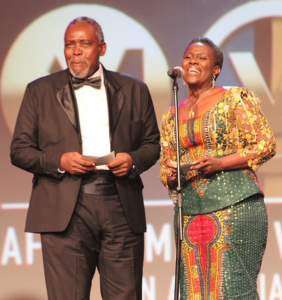
That international experience would later become an important part of what Jacobs brought to the Nigerian screen: a combination of classical theatrical training, versatility, and a commanding stage and screen presence.
Jacobs’ career spanned more than five decades, covering theatre, television, and film. He became particularly recognised for the authority and versatility he brought to his roles, often portraying characters that demanded gravitas, restraint, and presence. Over the years, he became one of the most recognisable actors in Nigeria and one of the figures associated with the growth of the country’s film industry.
Among his notable film credits are My Kingdom, Covert Operation, and One Fine Day. His contribution was also recognised through several national and international honours. He received the African Movie Academy Award for Best Actor in a Leading Role, alongside multiple lifetime achievement recognitions celebrating his contribution to African cinema and the performing arts.
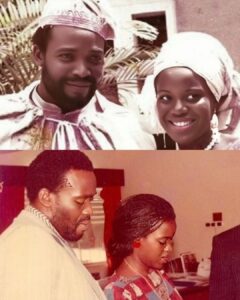
In 2011, his contribution to Nigerian arts and culture received formal national recognition when he was conferred with the Member of the Order of the Federal Republic (MFR).
His influence extended beyond the roles he played on screen, for Jacobs, the performing arts were not simply about individual performance. Together with Joke Silva, he co-founded the Lufodo Group and the Lufodo Academy of Performing Arts, creating platforms dedicated to professional production and the development of emerging talent.
Through these institutions, the couple contributed to the training and development of a new generation of Nigerian performing artists. This aspect of Jacobs’ career is particularly important to his legacy. While audiences remember the characters he brought to life, his contribution to the industry also lies in the people and institutions he helped build around him. He was not simply an actor who participated in the growth of Nollywood; he was part of a generation that helped establish the professional foundations upon which others would build.
In his later years, Jacobs gradually withdrew from the public spotlight.
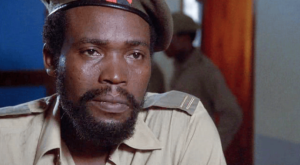
In 2021, Joke Silva disclosed that he had been diagnosed with dementia with Lewy bodies, a degenerative condition associated with cognitive decline and Parkinson-type symptoms. His family subsequently maintained a largely private approach to his health and wellbeing.
His absence from public life also led to periodic rumours about his death, which his family repeatedly dismissed. In June 2024, his eldest son, Soji, publicly clarified that his father was alive following another false report.
Behind the public attention, however, his family continued to support him privately through his illness.
Olu Jacobs leaves behind a legacy that extends far beyond the characters he portrayed.
He belonged to a generation of Nigerian actors who helped bridge the worlds of theatre, television and cinema, bringing formal dramatic training and decades of performance experience into an industry that was still finding its identity.
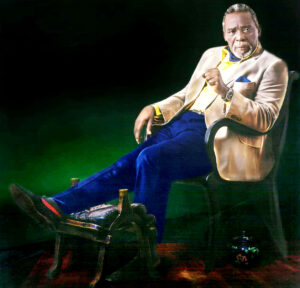
His influence can also be measured through the institutions he helped establish and the generations of performers who came after him.
For many Nigerians, he was the commanding voice, the dignified presence and the familiar face who could make a character feel larger than the screen. For the Nigerian performing arts industry, he represented something broader: a bridge between an older theatrical tradition and the modern African screen.
The “Lion of Lufodo” leaves behind a body of work that will continue to introduce his craft to new audiences and a professional legacy that will live on through the artists and institutions he helped shape.
His was, as Joke Silva put it, a life well lived and fought.