
China Extends Zero-Tariff Access to Most of Africa, Except One Country
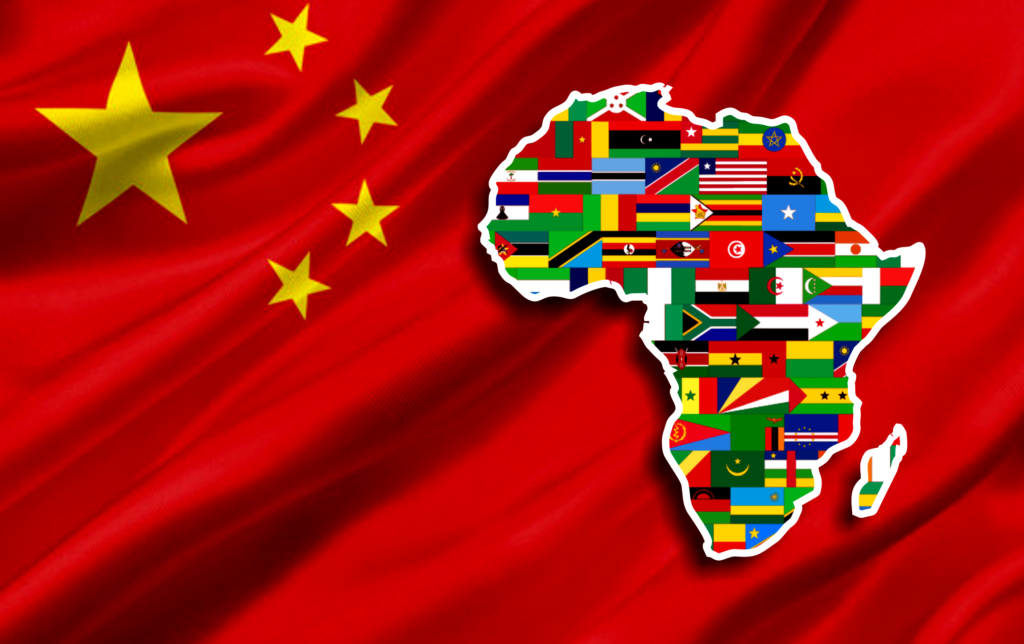
In a sweeping expansion of its trade policy, China has extended zero-tariff access to 53 of Africa’s 54 countries, opening its vast market to a broader range of goods from the continent. The policy, which took effect on May 1st, 2026, will run through April 2028; and is being framed by Beijing as a landmark step in strengthening economic ties with Africa. Nonetheless, behind this dynamics, lies a more complex mix of diplomacy, uneven benefits and grassroots realities.
The lone exception is Eswatini, a small Southern African nation excluded due to its longstanding diplomatic recognition of Taiwan. Under the One-China policy, Beijing views such ties as incompatible with full economic engagement, turning what appears to be a trade initiative into a subtle instrument of foreign policy pressure.
The zero-tariff policy, is significant on paper for the rest of the continent. African exporters particularly in agriculture, now have duty-free access for products such as cocoa, coffee, tea and textiles, many of which previously faced tariffs ranging from 8 to 30 percent. In rural farming communities from West Africa’s cocoa belts to East Africa’s tea-growing regions, the policy raises cautious optimism. Smallholder farmers and cooperatives, often squeezed by volatile global prices and limited market access, could benefit if supply chains, standards and logistics align in their favor.
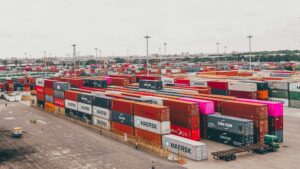

However, the immediate gains may be less transformative than they appear. Analysts point out that a large share of Africa’s exports to China, mostly raw materials like minerals and crude oil, already entered tariff-free prior to this expansion. As a result, the new policy primarily targets value-added and agricultural goods, sectors where many African economies still face structural constraints, including weak processing capacity, infrastructure gaps, and inconsistent quality standards.
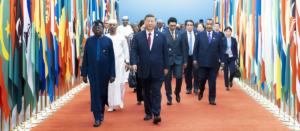
At the moment politically, the policy reinforces China’s position as Africa’s largest trading partner, while advancing its broader diplomatic footprint. By offering unilateral tariff concessions, Beijing presents itself as a development partner distinct from Western economies, which often tie trade preferences to governance or human rights conditions. As for the African governments, this creates both opportunity and a tight-spot – access to a vast market without overt political strings, but with implicit expectations of alignment on sensitive geopolitical issues.

In the grassroots, the policy’s success will likely hinge on whether local producers can actually penetrate the Chinese market. Export readiness ranging from packaging and certification to shipping logistics, remains a significant hurdle. Without targeted domestic reforms and investment in agro-processing, many communities risk remaining suppliers of low-value goods, perpetuating longstanding trade imbalances.
Diplomatically, the exclusion of Eswatini, underlines how economic policy can double as leverage. While Beijing’s approach avoids direct confrontation, the message is clear – alignment with Taiwan carries tangible economic implication. To the African countries navigating complex global partnerships, this adds another layer of calculation in balancing sovereignty, economic needs and international alliances.
Ultimately, China’s zero-tariff expansion, indicates both ambition and limitation. It opens doors, but does not guarantee entry. The standing challenge, lingers further than just gaining access to global markets, to transforming that access into inclusive growth that transcend export statistics, into the livelihoods of the ordinary people.