
Côte D’ivoire: Ivorian Consortia Secure Major Agro-Market Constructions, Edging Out Artelia-(France) and TGCC-(Morocco)
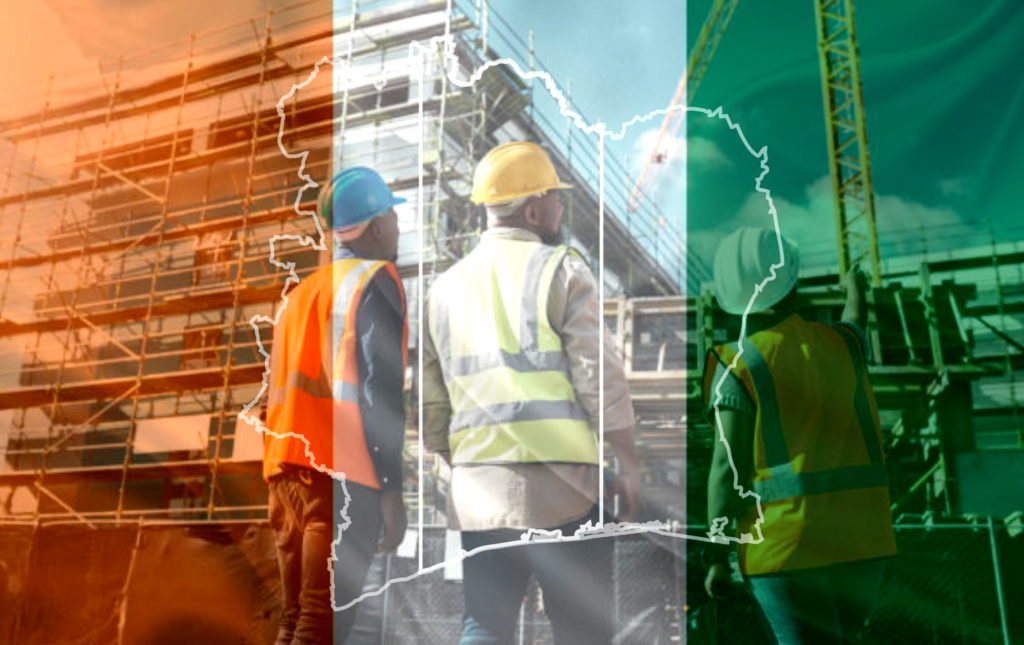
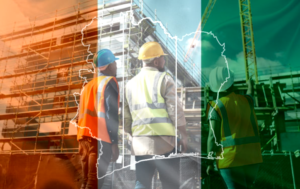
Côte d’Ivoire has handed a significant vote of confidence to its domestic construction sector, awarding two major wholesale market contracts to local consortia while sidelining international firms such as Artelia and Travaux Généraux de Construction de Casablanca (TGCC).
The contracts that worth more than €39 million combined, cover for the construction of wholesale markets in Daloa and Abengourou, key agricultural hubs where farmers often struggle with storage, transportation and market access. The projects form part of a broader €200 million national drive to modernize the agri-food sector, an effort aimed at reducing the country’s heavy reliance on imported food and strengthening local supply chains.
In Daloa, the project was awarded to a consortium led by Société de Distribution et de Travaux (SDT) and Cabinet Bergec, valued at €20.13 million. Meanwhile, in Abengourou, Renaissance TP and CICOP secured the €19 million contract. Both markets are expected to be completed by August 2027, and are designed to improve the handling, storage and distribution of fresh produce.
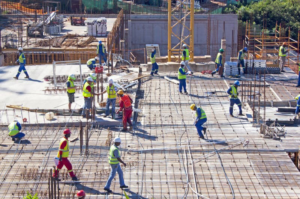
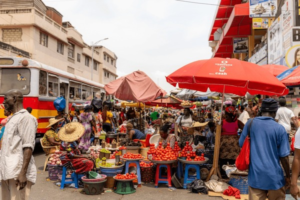
Besides the construction project sites, the implications are far-reaching. With respect to farmers, modern wholesale markets could mean fewer post-harvest losses, a persistent issue that wears-down incomes and discourages production. As concerning traders and consumers on the other hand, improved infrastructure promises more stable food supplies and potentially lower prices, particularly in urban centers where demand continues to rise.
Economically, the government’s decision, points at a deliberate pivot towards building domestic capacity in large-scale infrastructure. By prioritizing local firms over established international players, Abidjan is effectively investing in homegrown expertise that will definitely power job creation, and the retention of capital within the national economy. This approach may also help local companies gain the experience needed to compete for larger regional projects in the future.
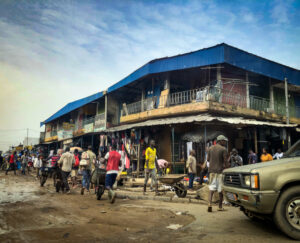
The endeavour comes against the backdrop of a costly food import bill, estimated at nearly $2.9 billion between 2021 and 2023; and a renewed policy push for food sovereignty. Under a new agricultural plan for 2026–2030, authorities aim to boost production of staples such as rice, cassava and maize. Conversely, production gains alone are not enough. Without efficient routes to the markets, much of that output, risks being lost before it reaches consumers. That is where infrastructure like the Daloa and Abengourou markets becomes critical. By linking rural producers more directly to buyers, the projects are expected to strengthen the entire value chain, from farm to diverse family tables, while supporting smallholder livelihoods and improving food security.
With regards to international firms like Artelia and TGCC, the outcome underlines a shifting competitive landscape in West Africa, where governments are increasingly balancing foreign expertise with local participation. Nonetheless, Côte d’Ivoire is sending a clearer message that economic transformation will it will be built at home.