
South Africa’s Creative Arts Industry is about to Face it’s Worst Moment – by Kojo-Hilton
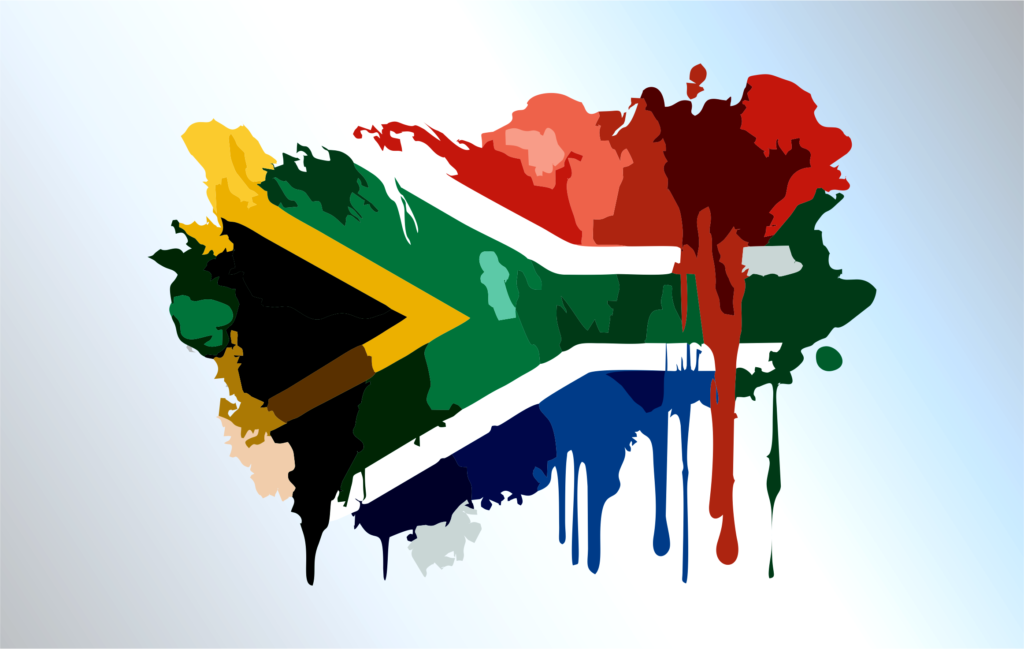
South Africa has long been one of Africa’s strongest creative hubs. Its film, music, fashion, theatre and visual arts industries have not only shaped culture within the country but have influenced the entire continent. Artists from across Africa move to South Africa to collaborate, learn, perform, and grow. It has been a place of opportunity, exchange, and shared African identity.
But today, that identity is under serious threat.
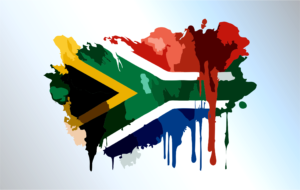
The recent rise in xenophobic attacks against other African nationals living in South Africa is not just a social or political issue, it is a deep cultural crisis. And if it is not handled with care and urgency, the creative industry will be one of the biggest victims.
A Broken Creative Ecosystem
The creative industry thrives on diversity. It depends on the free movement of ideas, people, and culture. When artists from Nigeria, Ghana, Zimbabwe, Congo, and other countries come together in South Africa, they don’t just work, they create something new. They build stories that represent Africa as a whole.
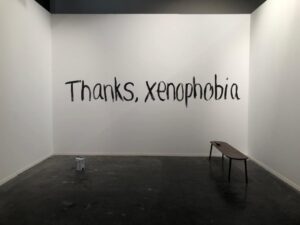 Picture Credit: Artnet News
“After a Wave of Deadly Xenophobic Violence in South Africa, Nigerian Galleries Opted Not to Attend a Johannesburg Art Fair; But a work in their booth by Sheila Chukwulozie, imparted a powerful message to fairgoers”.
Xenophobia destroys this.
When foreign artists feel unsafe, they leave. When they leave, collaboration dies. When collaboration dies, creativity becomes limited. South Africa risks becoming closed instead of open, isolated instead of influential.
The result is simple: less innovation, fewer global opportunities and a weaker industry.
Fear Kills Creativity. No artist can create freely in fear.
A musician cannot perform well if they are worried about being attacked after a show. A designer cannot focus if their shop may be targeted. A filmmaker cannot tell bold African stories if actors and crew members are afraid to participate.
Fear silences voices. And when voices are silenced, culture suffers.
South Africa’s creative power has always come from its boldness, from its ability to tell real stories, challenge systems, and inspire change. Xenophobia replaces that boldness with caution, and eventually, silence.
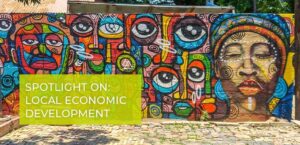
Picture Credit: Urbanet
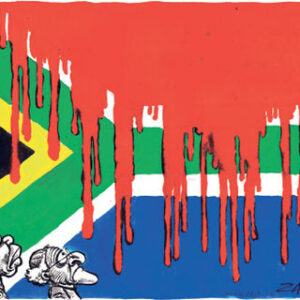
Picture Credit: ResearchGate
Economic Damage Is Inevitable
The creative industry is not just about art, it is business. International collaborations bring money into the country. Festivals, exhibitions, film productions, and concerts create jobs and attract global attention. Foreign artists contribute to this economy, not take away from it.
When xenophobia rises:
- International partners begin to withdraw,
- Events lose diversity and audience appeal,
- Tourism connected to arts and culture declines,
- Investors lose confidence,
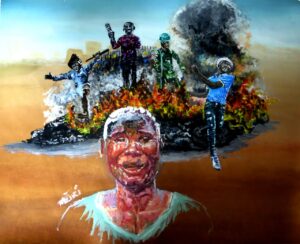
Picture Credit: GroundUp
In the long-run, this weakens the entire creative economy. South Africa risks losing its position as a leading creative capital in Africa.
Africa Is Watching!
What is happening in South Africa does not stay in South Africa.
Artists across the continent are watching closely. Many are beginning to question whether it is still safe or worth it to work there. This creates tension between African countries and breaks the spirit of unity that the creative industry depends on.
The truth is simple: African creativity is strongest when Africans work together. If that unity is broken, everyone loses.
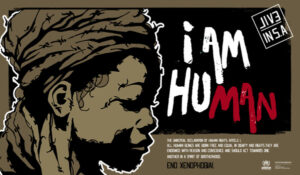
Picture Credit: SINDISO NYONI
A Way Forward: Simple but Necessary Solutions. This situation can still be corrected, but it requires honest action, not silence.
- Strong Cultural Leadership: Creative leaders, institutions, and government bodies must speak clearly against xenophobia. Silence can be seen as support. The industry must take a firm stand for unity.
- Protection for All Artists: There must be real safety measures for both local and foreign creatives. No artist should feel like a target because of where they come from.
- Promote African Collaboration: Festivals, exhibitions, and productions should actively include artists from across Africa. The message must be clear: South Africa is part of Africa, not separate from it.
- Education and Awareness: Communities need to understand the value that foreign nationals bring. Many people act out of misinformation. Education can change perception.
- Use Art as a Tool for Healing: Artists themselves must respond through their work. Theatre, film, music, and visual arts can tell stories that humanize people, reduce hate, and rebuild empathy.
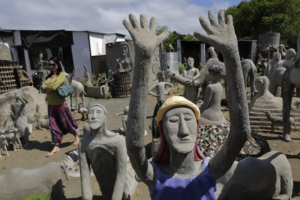
Picture Credit: Association for Cultural Economics International
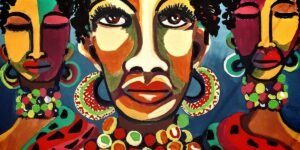
Picture Credit: Lumec
Final Thought: South Africa once stood as a symbol of unity, strength, and cultural power on the African continent. The creative industry played a major role in building that image. Today, that image is at risk.
If xenophobia continues, South Africa will not only lose people, it will lose ideas, stories and its creative soul. But if it chooses unity over division, it can rise stronger than before.
The choice is clear.