
The 17-Bailout Paradox: Ghana’s High-Stakes Transition to Economic Sovereignty
On July 27, 2026, the International Monetary Fund (IMF) Executive Board in Washington delivered a verdict that resonates far beyond the technicalities of fiscal oversight. The approval of Ghana’s final review under the US$3 billion Extended Credit Facility (ECF) marks the conclusion of one of the most ambitious economic recovery programmes in the country’s history. Ghana has turned to the IMF 17 times since independence, making this more than an administrative milestone; it represents a symbolic graduation. The country is now attempting to break from its decades-long cycle of crisis and rescue and chart a new path towards self-determined economic stability.
The conclusion of the ECF marks a strategic pivot in Ghana’s relationship with global capital markets, shifting the IMF’s role from a source of emergency liquidity to a provider of technical validation. The immediate results of this exit are defined by three distinct pillars:
- Final Financial Injection: The approval of an immediate disbursement of approximately US $371 million (SDR 265.9 million), bringing total support under the 2023 arrangement to the full US$ 3 billion.
- Regulatory Conclusion: The successful completion of the 2026 Article IV Consultation, which confirmed that Ghana’s risk of debt distress has been upgraded to moderate, a status achieved two years earlier than initial projections.
- The Structural Shift: The adoption of a 36–month Policy Coordination Instrument (PCI). This non-financing arrangement signals a move from a “bailout” model to a “policy endorsement” model, aimed at anchoring investor confidence without further borrowing. For the international investor, the transition transforms the IMF from a life raft into a seal of credibility. The ECF was a survival mechanism for a nation once drowning in debt and 50%+ inflation; the PCI is a monitor of institutional maturity. However, as the technical programme concludes, the macro-triumphs are often abstract victories in what remains a very concrete struggle for affordability on the ground.
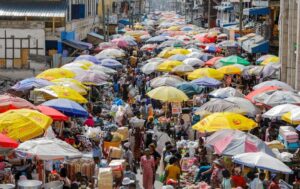
There is a profound tension currently defining the Ghanaian experience. In the central bank and the IMF, the data describes a “strong recovery” driven by broad-based activity. Yet, at Accra and Kumasi, the narrative remains one of friction. High GDP growth in emerging markets often fails to immediately alleviate the accumulated pressures of a generational crisis, leaving a gap between statistical success and daily survival. The following comparison highlights the disconnect between the technical recovery and the lived experience:
GDP Growth: 6% in 2025; 6.4% in 2026 Q1, supported by 7.0% non-extractive growth, proving the recovery is not a commodity fluke. Employment Gaps: Persistent youth unemployment remains a structural hurdle, despite headline growth figures.
- Inflation: Sharply declined to 5.3% in June 2026, reflecting tighter monetary policy and a stabilised cedi.
- Accumulated Costs: Prices are rising slower, but food and utility costs remain significantly higher than pre-crisis levels.
- Reserves: US$11.9 billion (4 months of import cover) by end-2025, a doubling of external buffers.
- Credit Access: High borrowing costs and limited affordable credit continue to stifle SMEs and local traders.
- Current Account: Large surplus of 7.9% of GDP, buoyed by historically high global gold prices.
- Utility Pressures: Rising living expenses and the removal of subsidies continue to strain the informal sector.
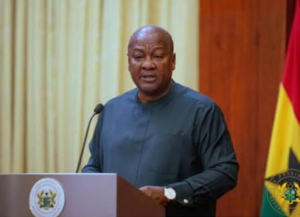
The “17-bailout paradox” illustrates how a country can achieve stellar stabilisation, swinging from a massive deficit to a 2.1% primary surplus, while its most vulnerable populations remain shielded from the benefits. The verdict for long-term investors is clear: the PCI’s success will not be measured by technical compliance alone, but by the political will to ensure this growth becomes inclusive.
The introduction of the Policy Coordination Instrument (PCI) represents a fundamental change in the rules of engagement. As a “non-financing” arrangement, the PCI provides no new loans; instead, it offers a framework for monitoring reforms. It is the strategic transition from “enforced discipline,” where cash is traded for compliance, to “voluntary coordination”, where the burden of proving economic credibility rests entirely on Ghanaian institutional shoulders. The PCI roadmap is anchored by a rigorous fiscal and debt framework:
- Fiscal Consolidation: Maintaining a primary surplus target of 1.5% of GDP in 2026 to ensure debt sustainability.
- The Surplus Transition: A planned recalibration to a 0.5% primary surplus starting in 2027, creating calibrated fiscal space for development needs.
- The Debt Anchor: A long-term commitment to reducing public debt to a sustainable 45% of GDP by 2034. By shifting to the PCI, the IMF transforms from a “lender of last resort” into an “independent auditor”. For Ghana, this is the ultimate test of sovereignty: the nation must prove it can maintain the rigours of an IMF programme without the carrot of a quarterly check.
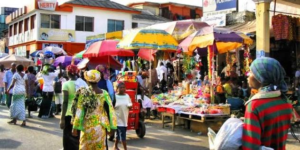
If fiscal targets are the architecture of stability, then institutional reforms are the foundation. The historical “Achilles’ heel” of the Ghanaian economy has been quasi-fiscal risks—unbudgeted spending that erodes fiscal gains. To prevent an 18th bailout, the new roadmap focuses on structural safeguards designed to insulate the economy from the hidden liabilities of state enterprises and central bank interference. The roadmap mandates several critical institutional reforms:
- State-Owned Enterprise (SOE) Oversight: There is a sharpened focus on transparency in the energy and cocoa sectors. These sectors have historically been the primary sources of financial leakage; reforming them is the only way to mitigate the contingent liabilities that have derailed previous stabilization efforts.
- Bank of Ghana (BoG) Independence: While the BoG has successfully anchored disinflation, it is walking a thin line. The IMF notably issued a waiver of non-observance for a minor breach of the ceiling on BoG claims on the government, caused by the domestic gold purchase program. To restore the BoG’s singular focus on price stability, the roadmap requires the transfer of this program to “GoldBod” and a full recapitalization of the central bank by 2032.
- Governance and Anti-Corruption: The submission of the revised Conduct of Public Officials Bill is the primary vehicle for rebuilding public trust. Effective implementation of asset declaration systems is now viewed as an economic necessity for improving the investment climate. These structural shifts are the “plumbing” of the economy. Without them, any fiscal surplus is merely a temporary reprieve. For investors, the “So What?” is simple: institutional reform is a more reliable indicator of long-term stability than any single year of debt repayment.
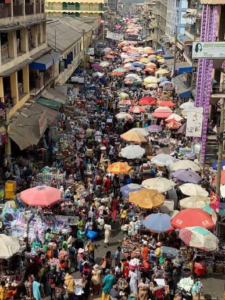
The July 2026 turning point finds Ghana in the enviable but fragile position of having its debt distress risk downgraded to “moderate.” The graduation from the ECF is a milestone, not a destination. While the technical work of restructuring and stabilization is largely complete, the journey toward true economic sovereignty remains vulnerable to both external shocks and domestic pressures. The IMF has cited three critical risks that could yet derail this progress:
- Global Commodity Volatility: Reliance on gold and cocoa prices to maintain the 7.9% current account surplus.
- Climate-Related Shocks: The vulnerability of the agricultural sector, which drove the 6.4% growth in early 2026.
- Domestic Fiscal Pressures: The temptation to abandon fiscal discipline in favor of unhedged spending as the immediate memory of the crisis fades. Ultimately, success for Ghana will not be defined by the completion of a 17th IMF program. It will be defined by the transition from stabilizing a crisis to improving the broad-based quality of life. As Ghana enters this post-bailout phase, the challenge is to ensure that billions in reserves and robust growth rates translate into socioeconomic opportunities for citizens across both urban centers and rural communities. The bailout era has ended; the era of institutional accountability must now begin.
On 27 July 2026, the International Monetary Fund (IMF) Executive Board approved the final review of Ghana’s US$3 billion Extended Credit Facility (ECF), marking the formal conclusion of one of the country’s most consequential recovery programmes. For a country that has turned to the IMF 17 times since independence, the moment carries significance well beyond the completion of another programme. It is an opportunity to test whether Ghana can finally break the cycle of crisis, stabilisation, and rescue.
US3 billion. Ghana has also completed its 2026 Article IV Consultation, with the country’s risk of debt distress upgraded to “moderate” two years earlier than initially projected. Most importantly, the IMF’s adoption of a 36-month Policy Coordination Instrument (PCI) changes the nature of the relationship: Ghana is moving from a financing arrangement to a non-financing framework for policy monitoring and coordination.
For investors, this changes the meaning of the IMF’s role. The Fund is moving from a source of emergency liquidity to a source of policy validation. The ECF helped Ghana navigate severe macroeconomic stress; the PCI now places greater responsibility on Ghanaian institutions to demonstrate that the discipline of the programme can be maintained without the incentive of new financing.
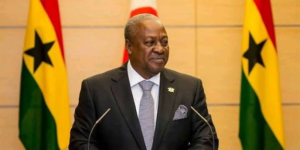
That is the real significance of this transition. The question is no longer if Ghana can stabilise an economy in crisis. It is whether the country can preserve stability once the crisis and the external pressure that accompanied it begin to recede.
Ghana’s recovery presents a striking paradox. At the macroeconomic level, the numbers point to a substantial turnaround: real GDP growth reached 6% in 2025 and 6.4% in the first quarter of 2026, supported by 7% growth in non-extractive activity. Inflation fell sharply to 5.3% in June 2026, while reserves reached US$11.9 billion by the end of 2025, equivalent to about four months of import cover. The current account recorded a surplus of 7.9% of GDP, while the primary fiscal balance moved from a large deficit to a 2.1% surplus.
Yet the improvement in headline indicators does not erase the accumulated costs of the crisis. Youth unemployment remains a structural challenge. Food and utility prices remain significantly higher than before the crisis even as inflation has slowed. High borrowing costs and limited access to affordable credit continue to constrain SMEs and local traders, while rising living expenses and the removal of subsidies continue to pressure the informal sector.
This gap between macroeconomic recovery and lived economic reality is central to understanding Ghana’s next phase. Stabilisation can restore confidence in the currency, rebuild reserves and improve debt dynamics, but it does not automatically restore household purchasing power or create enough productive employment.
The 17-bailout paradox is therefore not simply that Ghana has required repeated IMF programmes. It is that successful stabilisation can coexist with an economy in which many citizens have yet to experience the full benefits of recovery. The PCI’s success should consequently be judged not only by technical compliance but also by whether stronger macroeconomic foundations begin to translate into broader economic opportunity.
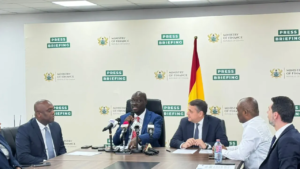
The introduction of the Policy Coordination Instrument represents the most important institutional shift in Ghana’s post-programme phase. Unlike the ECF, the PCI provides no new financing. Its value lies in creating a framework through which Ghana’s economic policies and reforms can continue to be monitored and coordinated.
This changes the nature of economic discipline. Under a financing programme, access to resources is linked to programme performance. Under the PCI, the burden of credibility rests more directly on Ghanaian institutions. The country must demonstrate that it can maintain fiscal and monetary discipline without the immediate pressure of securing another disbursement.
The fiscal framework provides the clearest test. Ghana is expected to maintain a primary surplus of 1.5% of GDP in 2026, before recalibrating to a 0.5% surplus from 2027. This creates some room for development spending while retaining a fiscal anchor. Over the longer term, the objective is to reduce public debt to 45% of GDP by 2034.
The significance of the PCI therefore extends beyond its technical design. It represents a test of whether Ghana can institutionalise the discipline imposed during crisis management. Economic sovereignty is not simply the absence of IMF financing; it is the ability to maintain credible policy frameworks when external financing is no longer the immediate constraint.
Fiscal consolidation can stabilise the balance sheet, but it cannot by itself eliminate the structural weaknesses that repeatedly generate fiscal pressure. Ghana’s experience shows why institutional reform matters: quasi-fiscal risks, state-owned enterprises and central bank operations can create liabilities that undermine fiscal gains even after headline deficits improve.
Strengthening oversight of state-owned enterprises is therefore central to preventing a return to crisis. Greater transparency in the energy and cocoa sectors is particularly important given their historical role in creating financial pressures and contingent liabilities. Without stronger controls, a fiscal surplus can prove temporary if hidden obligations continue to accumulate outside the central government budget.
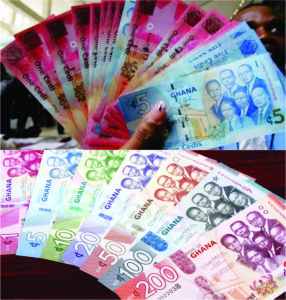
The Bank of Ghana faces a related institutional challenge. The central bank has played an important role in anchoring disinflation, but the IMF’s waiver relating to a minor breach of the ceiling on Bank of Ghana claims on government associated with the domestic gold purchase programme highlights the need to protect the institution’s primary focus on price stability. The planned transfer of the programme to GoldBod and the full recapitalisation of the central bank by 2032 are therefore important components of the institutional reform agenda.
Governance and anti-corruption reforms form the third part of this institutional foundation. The revised Conduct of Public Officials Bill and stronger implementation of asset declaration systems are not merely administrative measures. They can strengthen public trust, improve accountability and reduce uncertainty for investors.
For investors, the implication is straightforward: a single year of fiscal improvement is less important than whether the institutions responsible for protecting that improvement become stronger. Institutional reform is the plumbing of economic stability; when it is weak, macroeconomic gains remain vulnerable.
Ghana’s improved macroeconomic position creates a stronger foundation for investment, but the next challenge is to ensure that stability translates into productive economic activity. Strong growth, lower inflation and larger reserves are important achievements, yet their broader value depends on whether businesses can access affordable credit, whether young people can find productive employment and whether households see improvements in their purchasing power.
This is where the transition from the ECF to the PCI becomes particularly important. A non-financing programme can reinforce credibility, but credibility alone does not guarantee inclusive growth. The policy challenge is to use the restored macroeconomic space to support productivity, private-sector development and employment without reopening the fiscal vulnerabilities that triggered the crisis.
The distinction matters because Ghana cannot afford to return to a model in which periods of strong growth are followed by fiscal deterioration, rising debt and another stabilisation programme. Breaking that pattern requires growth that is both more productive and more broadly distributed.
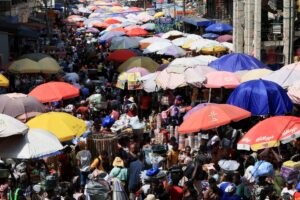
The end of the ECF does not remove the vulnerabilities that could undermine Ghana’s recovery. It changes the conditions under which those vulnerabilities must be managed.
First, global commodity volatility remains a significant risk. The current account surplus of 7.9% of GDP has been supported by historically high gold prices, while cocoa remains an important source of export earnings. A reversal in commodity prices could weaken external balances and reduce fiscal and foreign-exchange buffers.
Second, climate-related shocks remain a threat, particularly because agriculture is an important contributor to economic activity. A severe climate event could simultaneously affect production, household incomes, food prices and public finances, creating pressures across several parts of the economy at once.
Third, domestic fiscal pressures could return as the immediate memory of the crisis fades. Political incentives to increase spending can become stronger when economic conditions improve. Maintaining discipline will therefore require institutions capable of resisting a return to unhedged fiscal expansion.
These risks reinforce the central lesson of Ghana’s 17-programme history: stabilisation is not the same as structural resilience. The next crisis is prevented not by repeating the previous rescue, but by addressing the institutional and economic vulnerabilities that made rescue necessary in the first place.
Ghana enters the post-ECF era from a considerably stronger macroeconomic position. Debt-distress risk has been downgraded to “moderate,” growth has recovered, inflation has fallen sharply and external buffers have strengthened. But graduation from the IMF programme is a milestone, not a destination.
The harder task is now institutional. Ghana must preserve fiscal discipline, strengthen oversight of state-owned enterprises, protect the independence and financial position of the central bank, improve governance and create the conditions for private investment and employment to expand.
The PCI offers a framework for maintaining that discipline, but the framework itself cannot deliver the outcome. Its success will depend on Ghana’s ability to turn programme commitments into durable institutions and macroeconomic stability into improvements that citizens can actually feel.
The country’s history makes the stakes unusually clear. Completing a 17th IMF programme is evidence of recovery. Avoiding an 18th will be evidence of transformation.
Ghana’s bailout era may be closing, but economic sovereignty will only be secured when stability no longer depends on crisis intervention—and when the institutions of the state can consistently protect the prosperity that stability makes possible.