
Trump Administration Seeks Emergency Admission of White South African Afrikaners as Refugees to the U.S.
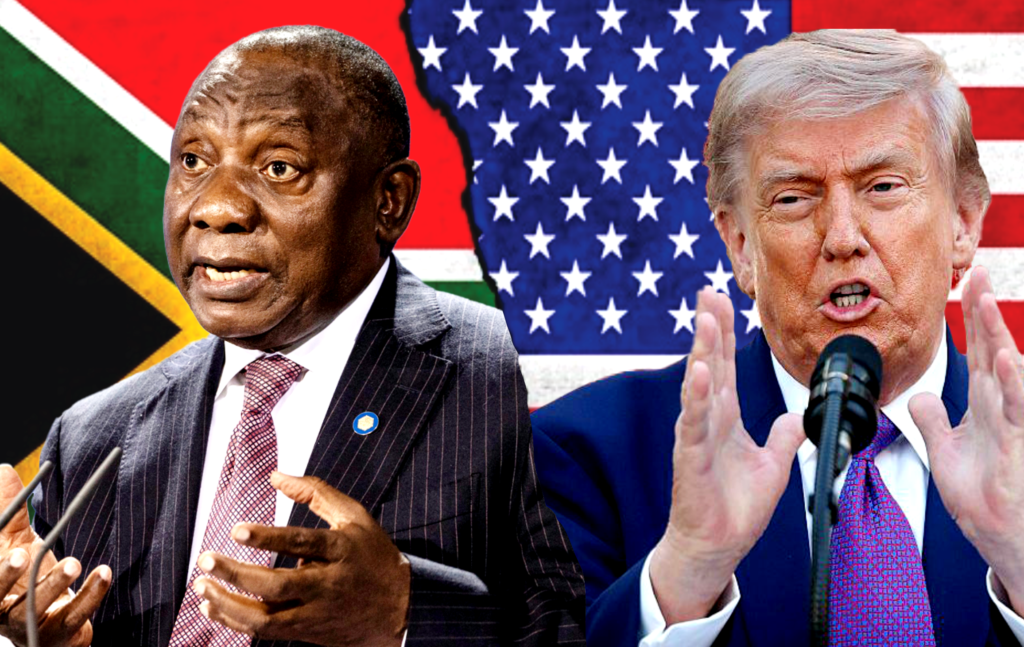
The administration of Donald Trump is moving to expand a controversial refugee proposal that could allow thousands more White Afrikaners from South Africa to resettle in the United States under what officials describe as an “emergency humanitarian response”.
The proposal, which has intensified debate across diplomatic, immigration and civil rights circles, would reportedly increase refugee allocations for Afrikaners, who the administration says are facing threats linked to violent crime, land disputes and social instability in South Africa. Supporters inside the administration debate that the plan is intended to protect a minority community, they believe is vulnerable to discrimination and insecurity.
The admission represents a significant modification in refugee policy, by prioritizing a specific demographic group within a middle-income democratic nation, rather than refugees fleeing active war zones or state collapse. Administration officials have framed the initiative as part as an effort to redefine refugee protection, around what they call targeted minority vulnerability.
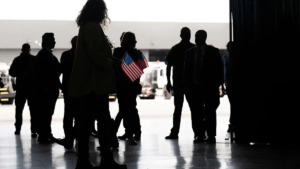
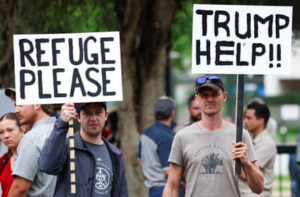
Especially for many rural farming communities in South Africa, who are in isolated agricultural regions, security concerns have become a politically charged issue for years. Some Afrikaner farming families say, rising attacks on farms, fears over land reform policies and uncertainty about long-term economic security, have created anxiety about their future. Advocacy groups supporting the resettlement plan, claim that some families feel increasingly unsafe and politically marginalized.
However, the issue remains intensely contested inside South Africa itself. The government of South Africa has repeatedly rejected claims of systematic persecution against White Afrikaners, insisting that violent crime affects citizens across racial and economic lines. South African officials also say that land reform debates, are part of the attempt to address historical disparities created during apartheid, when Black South Africans were dispossessed of land and economic opportunities, for decades.
Diplomatic observers say, the proposal risks straining relations between Washington and Pretoria, in a sensitive period when both countries are managing trade, investment and security cooperation discussions. Also, presenting South Africa as a humanitarian crisis zone for one racial minority, could inflame political tensions and expand racial polarization, both domestically and internationally.
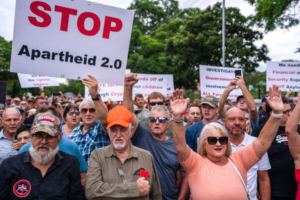
Within the United States, the plan has also triggered questions about immigration fairness and refugee selection standards. Critics contend that prioritizing Afrikaners, could divert refugee opportunities away from people fleeing armed conflict, famine or political repression in countries with far fewer resources and weaker institutions. Immigration advocates are calling for transparency on how refugee eligibility would be assessed; and if the proposed expansion aligns with long-standing international refugee principles.
Economically also, supporters of the initiative discuss that many Afrikaner applicants, possess agricultural, technical and trade skills that could contribute to sectors of the American economy that is facing labour shortages, particularly in farming communities and rural industries. On the switch, some conservative policy groups, believe the arrivals could help revive struggling agricultural regions, while integrating relatively quickly into English-speaking communities.
Conversely, local governments and refugee agencies, are expected to face practical challenges if admissions increase substantially. Housing, healthcare access, education support and employment placement, remain major concerns in many American cities that already dealing with strained social services and rising living costs. Community organizations say successful integration, would depend heavily on long-term federal support, local coordination and efforts to prevent social isolation or political backlash.

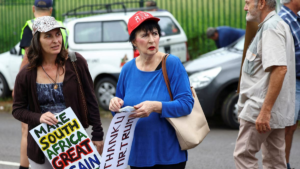
Human rights researchers note that the debate also mirrors a bigger global tensions over migration, identity and nationalism. Across several Western countries, refugee policies are increasingly being shaped by humanitarian emergencies and domestic political narratives, surrounding border security, cultural identity and economic competition.
As for the ordinary families, who are potentially affected by the policy, the conversation is less ideological and more personal. Some Afrikaner families considering relocation, describe their fears about crime, uncertainty over inheritance and declining confidence in long-term stability. At the same time, many South Africans, including Afrikaners who oppose leaving, claim that the South Africa’s future, depends on rebuilding trust across racial and economic divisions, rather than encouraging emigration.
As discussions continue, with diverse perspective-views as seen earlier, the proposal is likely to remain politically divisive, both in Washington and Pretoria. Its wider implications may ultimately extend past the numbers of refugee, touching on diplomacy, race relations, immigration policy and the evolving definition of humanitarian protection, in an increasingly polarized world.