
Tehran in a Week’s Mourning with a State Funeral Ceremonies to Bid Farewell to Ayatollah Ali Khamenei
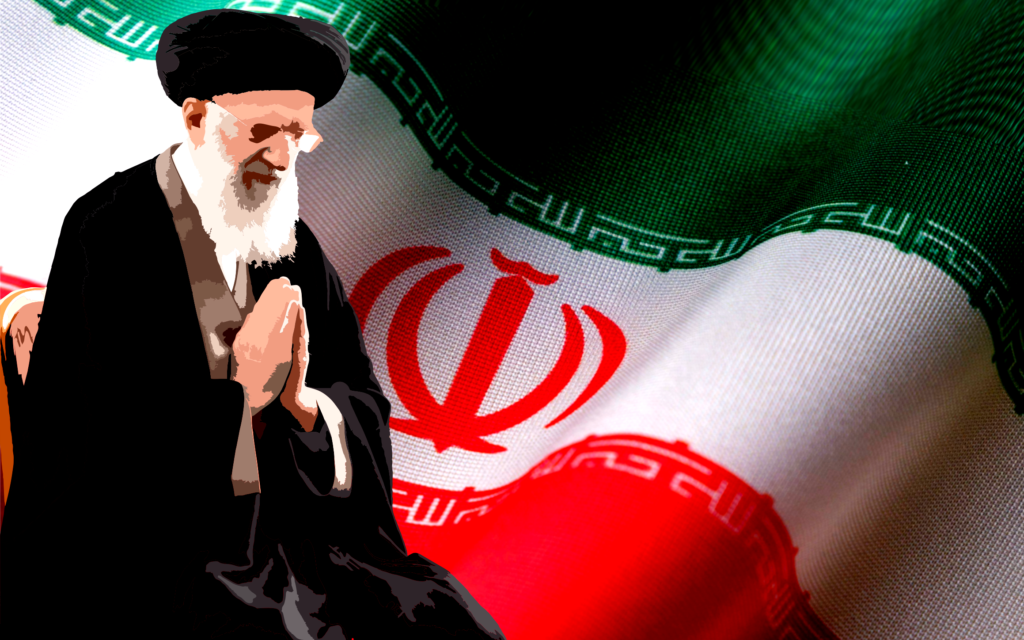
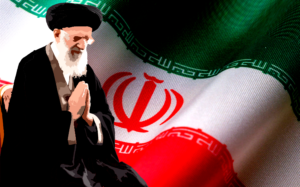
Right in Tehran, a solemn silence settled over Iran’s capital, as streams of mourners filed into a vast ceremonial hall where the body of Iran’s Supreme Leader, Ayatollah Ali Khamenei, lay in state, marking the beginning of what Iranians described as a week of national mourning, religious observances and state funeral events.
Clerics in traditional robes stood alongside senior government officials, military commanders, foreign dignitaries and ordinary citizens, each waiting patiently to pay their final respects to the man who had shaped Iran’s political, religious and foreign policy direction, for nearly four decades.
The scenes unfolding in Tehran, echoed not only the passing of one of the Middle East’s most influential political and religious figures, but also the emotional weight carried by millions of Iranians, whose lives have unfolded under Khamenei’s 37-year leadership. Iranian families perceive the ceremonies as a deeply personal moment of remembrance, and a national event to be watched closely across the world.
Outside the funeral venue, mourners carried portraits, waved Iranian flags and recited prayers, as volunteers distributed water and refreshments, to those enduring long queues under the summer heat. Entire families, including grandparents, parents and children, joined the crowds, illustrating how moments of national mourning often become shared experiences that transcend generations.
Highlighting supporters view, they believe the funeral represents an opportunity to honour a leader they credit with guiding Iran through decades of sanctions, regional conflicts, economic pressure and international isolation. Others view the ceremonies as a defining chapter in Iran’s modern history, indicating the close of an era that profoundly influenced the country’s domestic politics and its relationships with the wider world.
Far from the emotional scenes, lies an event of significant political importance. State funerals in Iran, serve as religious observances, demonstrations of national unity and institutional continuity. The presence of senior officials, military leaders and visiting foreign delegations, emphasizes the comprehensive diplomatic significance of the ceremonies, as governments across the region monitor Tehran’s next steps and the future direction of the Islamic Republic.
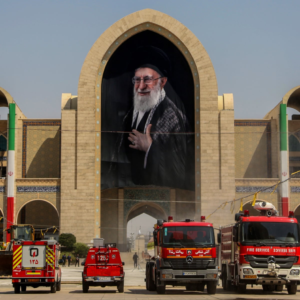
Business activities across parts of the capital, have also been affected by the mourning period. Government offices have adjusted schedules, security has been heightened around key public buildings and religious sites; while transport services have been redirected to accommodate large crowds gathering, for funeral processions. Hotels and hospitality providers, have welcomed official delegations arriving from abroad, reflecting the logistical scale of the state-organised events.
However for local traders, the week presents mixed fortunes. Some businesses near procession routes, have temporarily closed because of security restrictions. While vendors selling flowers, religious items and commemorative materials, have experienced better demand from mourners, seeking to participate in the ceremonies.
The funeral has also become a focal point for Iran’s social fabric. Mosques, community organisations and volunteer groups, have all mobilised to assist visitors arriving from across the country, providing meals, accommodation and medical support. Such acts of communal solidarity, have long accompanied major religious and national events in Iran, reinforcing social bonds during periods of collective grief.
Internationally, the ceremonies are expected to draw close scrutiny from diplomats and political analysts. The attendance of foreign representatives, mirrors Iran’s enduring regional influence, despite years of geopolitical tensions and economic sanctions. Their presence also highlights the diplomatic balancing act that many countries face, as they maintain channels of communication with Tehran, in the midst of evolving regional dynamics.
As funeral prayers continue and memorial events unfold over the coming days, millions inside and outside Iran will be watching the tributes paid to a long-serving leader and the political signals emerging from the country’s leadership, during a pivotal moment as this, in its history.
The week of mourning, marked by religious rituals, public processions and official ceremonies, is expected to culminate into a state burial, attended by senior officials, members of the clergy and large crowds of mourners, bringing to a close one of the most consequential chapters in the history of the Islamic Republic.