
At 69th ECOWAS Summit, Tinubu Seeks United African Stand against Afro-Phobic Attacks, Promoting Stronger Regional Integration
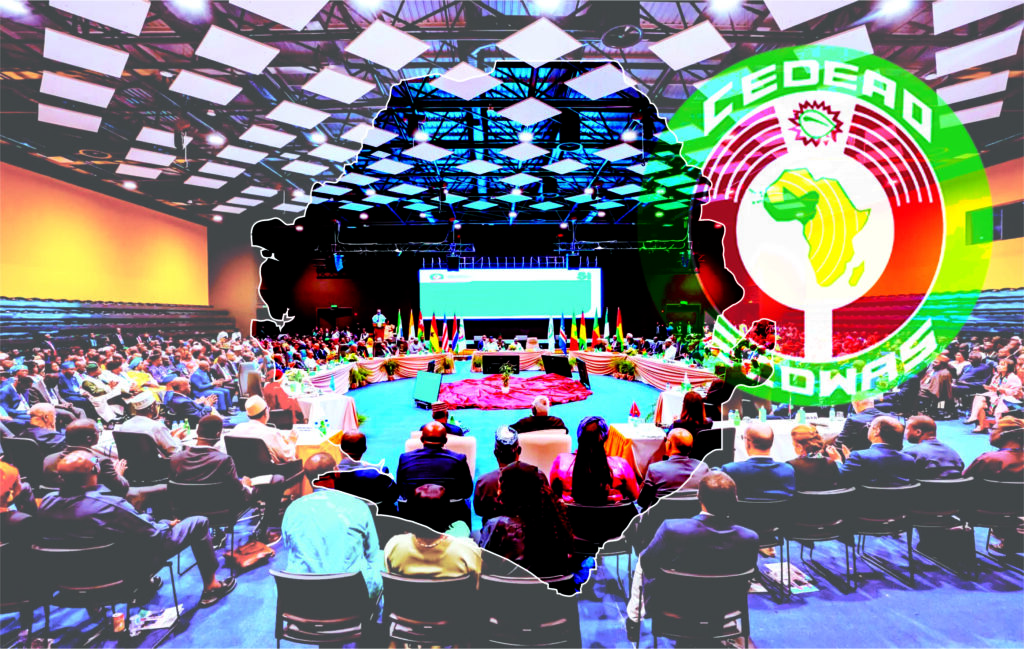
At Freetown, Sierra Leone, President Bola Ahmed Tinubu has called on African leaders to speak with one voice against the recurring Afro-phobic attacks, also known as xenophobia, in South Africa, stressing that protecting the lives, dignity and rights of Africans across the continent must remain a shared responsibility.
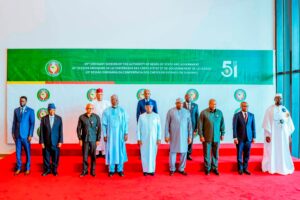
Speaking through Vice President Kashim Shettima at the 69th Ordinary Session of the ECOWAS Authority of Heads of State and Government in Freetown on Sunday, Tinubu said a united continental condemnation would send a strong signal that violence and discrimination against fellow Africans have no place in Africa’s future.
The President noted that Nigeria had already evacuated more than 1490 citizens from South Africa in seven batches following previous outbreaks of violence and remains prepared to take additional measures to protect Nigerians abroad.
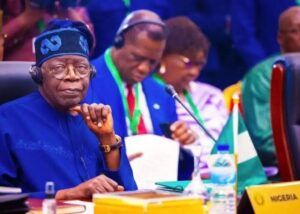
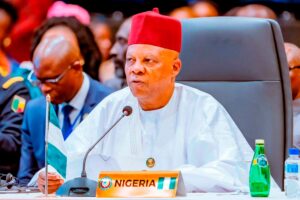
He urged ECOWAS leaders to escalate the matter to the African Union, reminding member states that South Africa’s liberation from apartheid was achieved with significant political, diplomatic and material support from African countries, including Nigeria. “This type of intolerance is totally unacceptable under any guise“, Tinubu said, adding that Africa’s strength lies in solidarity rather than division. Protecting ordinary Africans should be a watchout call.
Tinubu’s appeal places the welfare of ordinary Africans at the centre of regional diplomacy. Millions of West Africans live, study and work across the continent, relying on free movement and peaceful coexistence to earn livelihoods, support families and contribute to host economies. So, a stronger continental response against xenophobic violence, would protect lives and also restore confidence among workers, students, entrepreneurs and professionals, who depend on cross-border opportunities for economic survival and stronger political cooperation.
Aside from the xenophobia debate, the Nigerian leader reaffirmed Nigeria’s support for the newly adopted ECOWAS Compact for the Future of Regional Integration, describing it as a roadmap for rebuilding trust between governments and citizens while strengthening democratic institutions across West Africa. He said, the Compact demonstrates the collective determination of member states to strengthen regional cooperation, despite emerging geopolitical and security challenges.
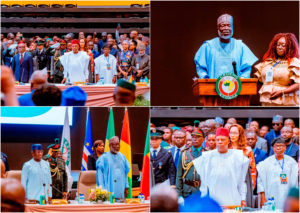
Tinubu reiterated Nigeria’s commitment to constitutional democracy, the rule of law, respect for human rights and zero tolerance for unconstitutional changes of government, stressing that political stability remains essential for sustainable development. He also pledged that Nigeria will continue to support the establishment of the ECOWAS Counter-Terrorism Force and the strengthening of the ECOWAS Standby Force to improve intelligence sharing, joint military operations and preventive diplomacy against terrorism and transnational crime.
Economic development growth, President Tinubu said regional integration must deliver tangible benefits to citizens by removing barriers to trade, improving cross-border infrastructure and creating a more enabling environment for businesses. According to him, easier movement of people, goods and services across West Africa would stimulate investment, expand markets for small and medium-sized enterprises, boost agricultural trade and create new employment opportunities, particularly for young people.
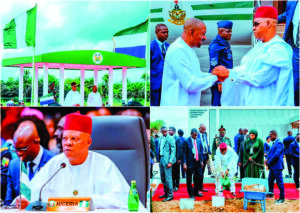
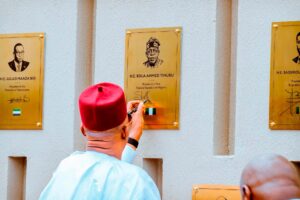
He also highlighted the importance of digital transformation, saying the proposed ECOWAS Digital Single Market, supported by regional cooperation on artificial intelligence, cybersecurity and innovation, could accelerate financial inclusion, improve access to education and expand entrepreneurship across the region.
The President said technology-driven integration would position West Africa as a competitive player in the global digital economy, while opening new opportunities for startups, innovators and investors. Tinubu reaffirmed Nigeria’s commitment to promoting gender equality, increasing women’s participation in leadership, expanding education and skills development, and supporting youth entrepreneurship. He said empowering women and young people remains critical to building a prosperous and people-centred ECOWAS capable of meeting the aspirations of its more than 400 million citizens.
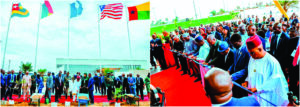
Earlier, Sierra Leonean President and ECOWAS Chairman, Julius Maada Bio, said the summit was convened to assess the bloc’s progress and reposition the regional organisation for future challenges. He urged member states to embrace strategic partnerships while reducing excessive dependence on external actors, warning that climate change, global conflicts and supply chain disruptions continue to threaten food security, fuel supplies and economic stability across West Africa.
United Nations Deputy Secretary-General Amina Mohammed reaffirmed the UN’s support for ECOWAS initiatives aimed at combating terrorism and strengthening regional peace, noting that African-led solutions deserve stronger backing from the international community.
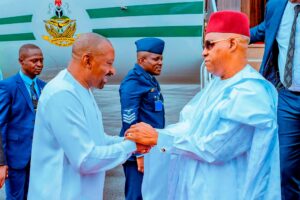
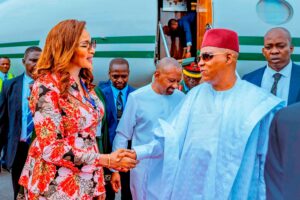
ECOWAS Commission President Omar Alieu Touray also pledged to deepen democratic governance, improve accountability and strengthen regional cooperation against terrorism, organised crime and humanitarian crises.
The summit concluded with the signing of the Intergovernmental Agreement for the African Atlantic Gas Pipeline (AAGP) project, a major regional infrastructure initiative expected to enhance energy cooperation, expand gas supply networks, attract investment and support long-term economic growth across participating African countries.
SOURCE: Nigeria State House | Media & Publicity