
Vietnam Strengthens Strategic Thrust into West Africa with High-Level Visit to Nigeria
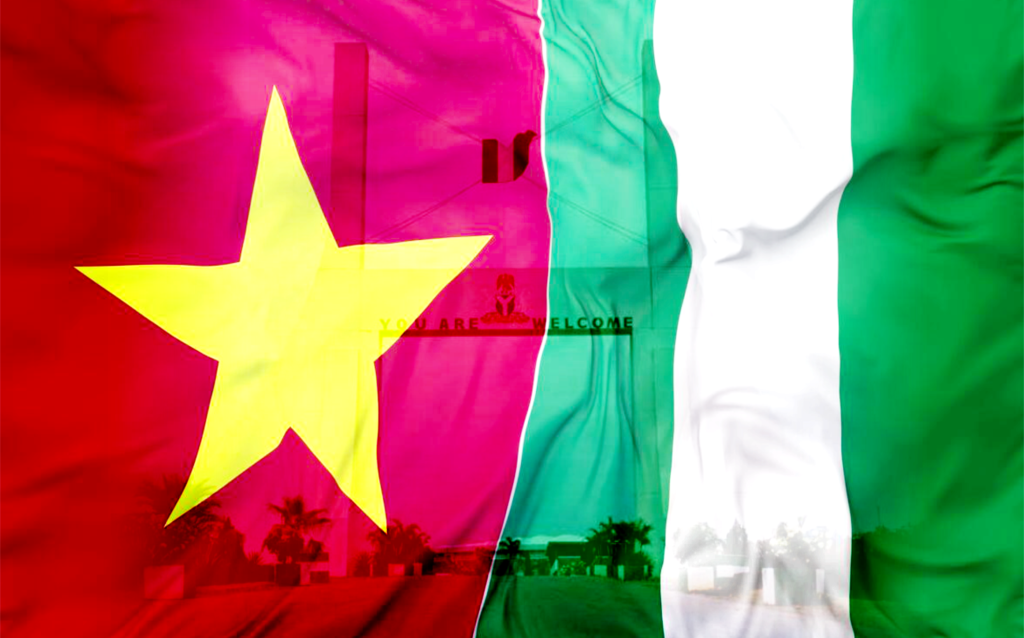
Deputy Foreign Minister Lê Anh Tuấn’s Abuja mission signals Hanoi’s ambition to turn Nigeria into a gateway for African market access, as bilateral trade crosses the $1 billion threshold.
In a significant move to expand its diplomatic and economic footprint on the African continent, Vietnamese Deputy Minister of Foreign Affairs Lê Anh Tuấn concluded a working visit to Abuja, holding high-level talks with Nigerian officials and visiting the headquarters of the Economic Community of West African States (ECOWAS). The trip comes at a pivotal moment: Vietnam and Nigeria are celebrating the 50th anniversary of diplomatic relations established in 1976, and their bilateral trade has grown past the $1 billion mark for the first time.
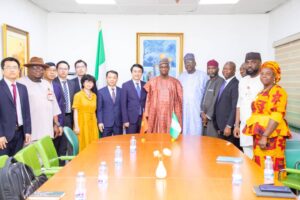
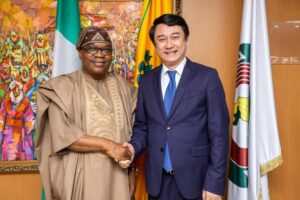
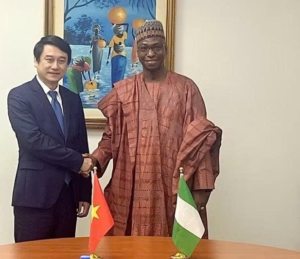
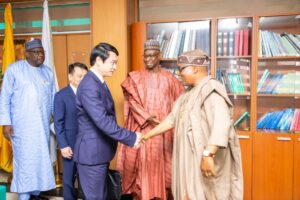
During the two-day visit, Tuấn met with Permanent Secretary of the Nigerian Ministry of Foreign Affairs Dunoma Umar Ahmed, Minister of State for Foreign Affairs Sola Enikanolaiye, and Permanent Secretary of the Federal Ministry of Industry, Trade and Investment Chris Osa Isokpunwu. He also held a working session with President of the ECOWAS Commission Omar Alieu Touray.
The discussions centred on transforming a historically cordial relationship into a substantive economic partnership. Both sides welcomed the progress made over nearly five decades of diplomatic ties, noting in particular that Nigeria has become Vietnam’s third-largest trade partner in Africa. Two-way trade reached approximately $1.1 billion in 2025, a fourfold increase from roughly $250 million in 2015.
According to trade data and statements from the Vietnamese Embassy in Abuja, the current trade flow reflects a clear division of labour: Nigeria exports crude oil, liquefied natural gas, raw cashew nuts, and agricultural products to Vietnam, while Vietnam ships textiles, footwear, plastic materials, telecommunications equipment, machinery, vehicles, and pharmaceuticals to Nigeria.
Notably, Vietnam maintains a trade deficit of approximately $240 million with Nigeria, importing $380 million worth of Nigerian goods while exporting $140 million in 2024, according to OEC data. This imbalance was a key topic during Tuấn’s meetings. Nigerian officials expressed interest in attracting Vietnamese investment to boost local manufacturing capacity, add value to natural resources, and ultimately expand Nigeria’s export portfolio beyond raw commodities.
To institutionalise the relationship, both sides agreed on several concrete measures:
- Political Consultation Mechanism: Establishing a regular dialogue framework between the two foreign ministries to coordinate policy.
- Joint Trade Subcommittee: Fast-tracking the creation of a Vietnam-Nigeria Joint Trade Subcommittee to discuss key economic initiatives, including the possibility of launching bilateral free trade negotiations.
- Sector-Specific Cooperation: Creating dedicated mechanisms for collaboration in agriculture, oil and gas, mining, and national defence and security.
- Bilateral Agreements: Negotiating and signing agreements to provide a legal framework for future collaboration.
Nigerian officials praised Vietnam’s economic development model and its rising global standing. They highlighted that Nigeria’s ongoing national development strategies including major infrastructure and industrialisation programmes, present opportunities for Vietnamese enterprises to use Nigeria as a gateway to West Africa and the broader African Continental Free Trade Area (AfCFTA).
A critical component of Tuấn’s visit was his meeting with ECOWAS Commission President Omar Alieu Touray. Tuấn emphasised that Vietnam considers West Africa a priority region in its Africa policy and expressed a desire to establish formal relations with the ECOWAS Commission.
Proposed areas of cooperation with the 15-member bloc include:
- Agricultural development and food security
- Peacekeeping and post-conflict reconstruction
- Digital transformation and telecommunications
- Infrastructure development
Touray welcomed Vietnam’s commitment and affirmed ECOWAS’s support for closer ties, including the negotiation and signing of a Memorandum of Understanding between Vietnam’s Ministry of Foreign Affairs and the ECOWAS Commission. This would mark Vietnam’s first formal institutional link with the sub-regional body, potentially opening access to a market of over 400 million people.
The visit aligns with Vietnam’s broader foreign policy of “multidirectionalisation and diversification” of international relations. While Vietnam’s trade hit a record $930 billion in 2025, African markets remain underexplored compared with traditional partners such as the U.S., the EU, China, and ASEAN.
Vietnamese Ambassador to Nigeria Bùi Quốc Hùng noted earlier this year that cooperation has expanded beyond trade into education, cultural exchange, and people-to-people ties, including Nigerian students studying in Vietnam and the spread of Vietnamese martial arts (Vovinam) in Nigeria. The two countries also cooperate within multilateral frameworks such as the United Nations and BRICS outreach mechanisms.
The timing of this diplomatic push is strategic, with Nigeria facing food security challenges and seeking industrialisation partners, and Vietnam looking to diversify its export markets and secure raw material supplies the economies are structurally complementary. The cashew value chain exemplifies this: Nigeria supplies raw cashew nuts while Vietnam, the world’s leading processor, adds value and re-exports finished products globally.
However, challenges remain. Vietnam’s trade deficit with Nigeria indicates that Nigerian exports are dominated by commodities, while Vietnamese exports are more diversified manufactured goods. For the relationship to deepen, Vietnamese investment in Nigerian processing industries, as encouraged by Nigerian officials, will be essential to rebalance trade and create mutual value.
If the proposed MOU with ECOWAS is signed and the Joint Trade Subcommittee is established, Vietnam could become one of the first Southeast Asian nations to secure a formal economic cooperation framework with West Africa, setting a precedent for other ASEAN members eyeing the African market.