
US-Iran War Outlay Reaches $37.5bn as Pentagon Seeks More Funding inspite of Growing Socioeconomic Concerns
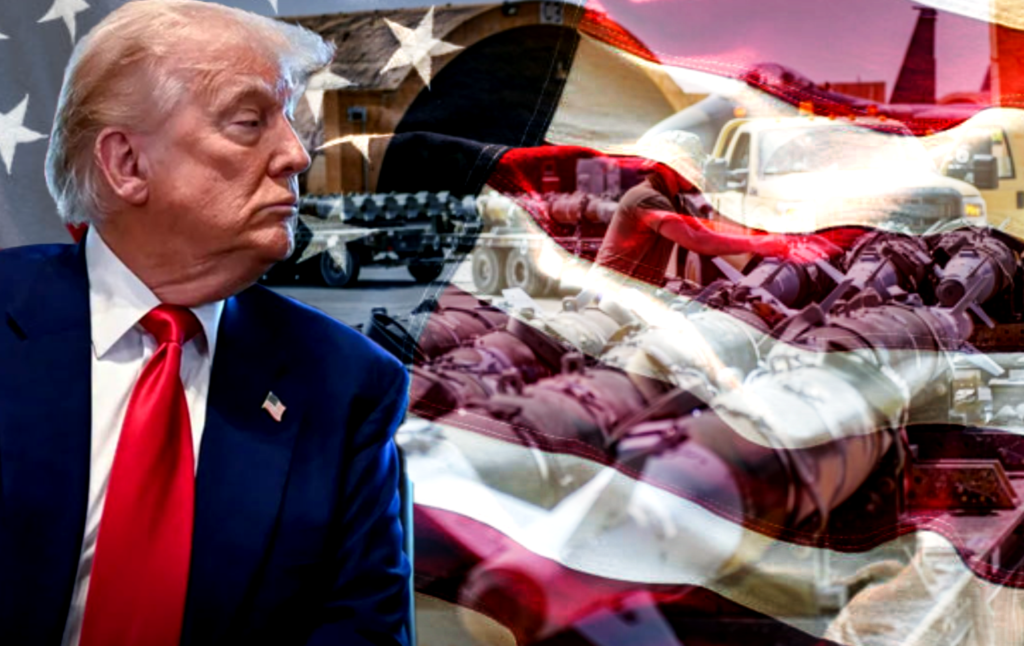
The United States has spent an estimated $37.5 billion on its ongoing military campaign linked to the conflict with Iran, according to Defense Secretary Pete Hegseth, as the Pentagon presses Congress to approve a record $1.5 trillion defense budget that includes nearly $70 billion for continued operations.
The latest figure, presented during a Senate Appropriations Committee hearing, underscores the mounting financial burden of a conflict that is increasingly shaping not only Washington’s defense priorities but also global energy markets, diplomatic relations, and the lives of ordinary citizens both within the United States and across the Middle East.
Hegseth explained that the $37.5 billion represents the direct cost of military operations, including precision airstrikes, long-range missile deployments, naval operations, intelligence missions, logistics, and defensive systems operating across the region. While the opening phase of the war reportedly consumed more than $2.1 billion daily, military spending has since moderated to an estimated $350 million to $650 million per day as operations have entered a more sustained phase.

The revised estimate is approximately $8 billion higher than the administration’s previous assessment released in May, reflecting the prolonged nature of the conflict and the increasing demands placed on U.S. military resources.
Economic Pressures surpass the battlefield to each American homes; although the Pentagon’s estimate focuses on direct military spending, the broader financial consequences extend well beyond defense budgets.
One of the conflict’s most significant economic impacts has been disruption around the Strait of Hormuz, a strategic maritime route through which roughly one-fifth of the world’s oil and liquefied natural gas supplies normally pass. Continued instability in the area has heightened uncertainty in global energy markets, increasing pressure on fuel prices and raising concerns over inflation. The consequences may are felt through higher transportation costs, increased utility bills and rising prices for everyday goods, as supply chains adjust to geopolitical uncertainty, as against the war/military might headlines.
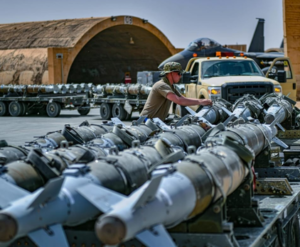
The Penn Wharton Budget Model has projected that short-term conflict-related expenditures could climb toward $47 billion, within just two months under certain operational scenarios, while independent analysts have suggested the wider economic cost, including energy price shocks and secondary effects on consumers, could be substantially higher.
In projecting further, military readiness faces new demands. Appearing before lawmakers, Hegseth presented that unrelenting funding, is necessary to sustain current operations and replenish rapidly depleting weapons stockpiles. He highlighted the urgent need to expand production of high-demand military equipment, including precision-guided munitions, rocket motors, hypersonic weapons and counter-drone technologies. Some defense officials also cautioned that delays in congressional funding, could affect military training schedules and future readiness, placing additional pressure on the Pentagon’s long-term planning.
While debates over military spending dominate political discussions in Washington, the conflict’s toll on human sociocultural and socioeconomic dynamics, continues to grow across the region. American service members have suffered casualties during the campaign, while communities across the Middle East remain exposed to repeated strikes; infrastructure damage, displacement and growing insecurity.
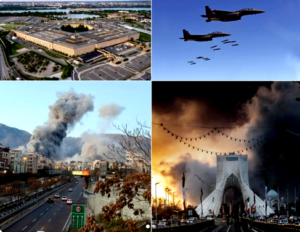
The humanitarian consequences extend beyond immediate conflict zones. Damage to energy facilities, disruptions to essential services and heightened regional tensions have affected civilian populations, businesses and humanitarian operations throughout neighboring Gulf States. And it is noted that prolonged instability risks undermining economic recovery efforts, in countries already facing significant political and social challenges.
The escalating conflict also presents a complex diplomatic challenge for the United States. Washington continues to project military strength in an effort to deter Iranian attacks and reassure regional allies. However, maintaining that balance has become increasingly difficult as tensions threaten to spill across national borders and draw additional actors into the conflict.
Recent exchanges involving regional infrastructure and shipping routes, all have heightened concerns that further escalation could destabilize the wider Gulf region, with implications for international trade, global energy security and diplomatic relations. Political observers say that while military operations may have achieve immediate strategic objectives, sustainable regional stability will ultimately depend on renewed diplomatic engagement, alongside security measures as political debate intensifies in Washington.
The growing cost of the war has also sharpened divisions in Congress. During the Senate hearing, several lawmakers questioned the scale of the Pentagon’s proposed defense budget, disagreeing that continuous military spending must be weighed against competing domestic priorities, including healthcare, infrastructure, education, and economic development. Inspite of these complaints, some critical opinions have called for greater transparency regarding war expenditures and clearer explanations of the long-term strategic objectives guiding US involvement.

However, there is a feel that sustained outlay on the war, remains essential to protecting American interests, supporting allies and preserving regional stability, in a highly volatile security environment. This geopolitical conflict as portrayed its expanding consequences althrough. As military operations continue, the financial, political and humanitarian costs of the Iran conflict, appear likely to grow.
Outside the billions allocated for combat operations, the war is reshaping global energy markets, influencing government spending priorities, testing diplomatic alliances and affecting the livelihoods of millions of persons hat are far away from the battlefield.
With Congress now considering additional funding requests, lawmakers are facing difficult questions over how to balance national security objectives with fiscal responsibility, humanitarian concerns, the pursuit of long-term regional peace, etc.