
Kenya’s Dairy Surpasses Egypt as Africa’s Top Milk Producer, Tough Road for Peasants
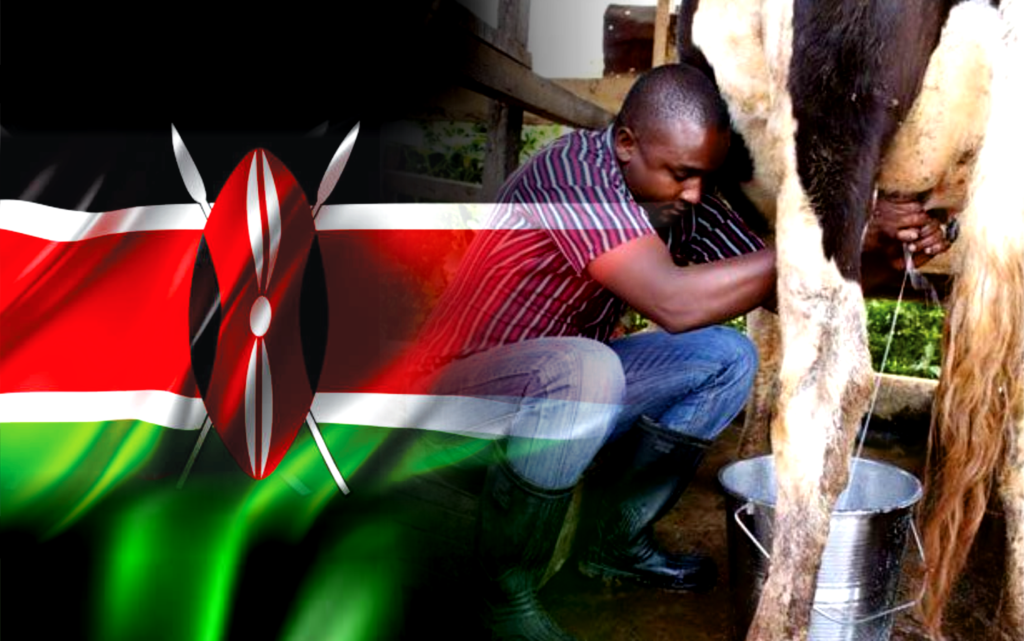
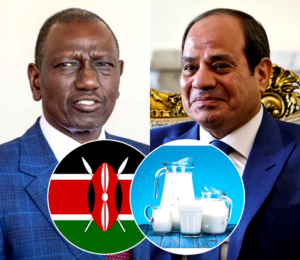
Kenya has emerged as Africa’s largest milk producer, overtaking Egypt after annual production climbed from 4.6 billion litres in 2022 to 5.5 billion litres. The country’s livestock sector has also recorded an 87 percent increase in meat exports, reflecting sweeping reforms that have transformed dairy and livestock into key pillars of the national economy.
The surge signals more than improved agricultural output. It marks a significant shift in Kenya’s rural economy, where livestock is not only a source of income but also a cornerstone of family livelihoods, cultural identity and food security. Millions of households depend on dairy farming to pay school fees, cover healthcare costs and cushion themselves against economic shocks.
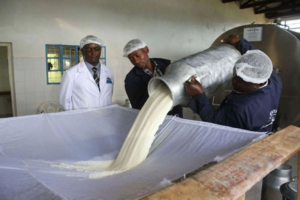
Government officials attribute the gains to reforms introduced under the Bottom-Up Economic Transformation Agenda (BETA), which has prioritized agriculture as a driver of economic growth. Investments in cold-chain infrastructure, including the rollout of hundreds of bulk milk coolers in rural communities, have helped reduce post-harvest losses and improve milk quality. At the same time, dairy exports have nearly tripled, rising from KSh5 billion to KSh14.2 billion as Kenyan products gain greater access to regional and international markets.
The livestock industry has experienced a similar turnaround. Meat exports surged by 87 percent after Kenya strengthened animal disease control, expanded vaccination campaigns and tightened veterinary compliance to meet the demanding standards of buyers in the Middle East. Quality-based pricing systems and greater emphasis on value addition have further enhanced the competitiveness of Kenyan livestock products abroad.
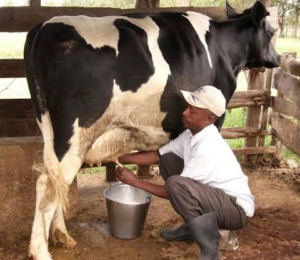
However, a more complex reality beds behind these impressive national figures. More than 80 percent of Kenya’s milk is produced by smallholder farmers, many of whom own between one and five cows. While national production is increasing, many continue to struggle with high feed costs, expensive veterinary services and limited access to affordable financing. Commercial lenders often consider small-scale livestock farming too risky, leaving many producers dependent on informal and costly sources of credit.
Climate change is adding another layer of uncertainty. Prolonged droughts and rising temperatures have reduced pasture availability and increased heat stress on dairy animals, leading to lower milk yields and declining productivity. For farming families, these environmental pressures threaten both household incomes and long-term food security.
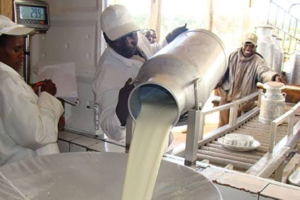
The informal market also remains a major challenge. Although Kenya’s dairy industry is expanding, less than one-third of the country’s milk passes through formal processors. Most is sold through informal channels where prices fluctuate widely and quality standards vary, limiting farmers’ earnings and reducing opportunities to benefit from premium export markets.
Government reforms seek to address these structural weaknesses through subsidised animal feed, expanded access to artificial insemination, improved genetics and stronger disease surveillance. The transition to quality-based milk payments is also encouraging farmers to adopt better hygiene practices and comply with cold-chain requirements, potentially improving both incomes and consumer confidence.

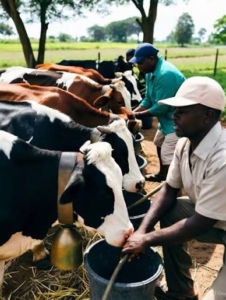
Agricultural economists caution, however, that sustaining Kenya’s leadership will require more than record production figures. Continued investment in rural infrastructure, affordable agricultural credit, climate-resilient farming practices and farmer cooperatives will be essential to ensure the benefits of growth reach households at the grassroots.
The country’s rise to the top of Africa’s dairy industry, represents both hope and unfinished business to most rural families. While Kenya has demonstrated its ability to compete on the continental stage, the true measure of success will depend on whether smallholder farmers, which are the backbone of the sector, can share equitably in the prosperity generated by the livestock boom.