
Culture as an Instrument of International Relations
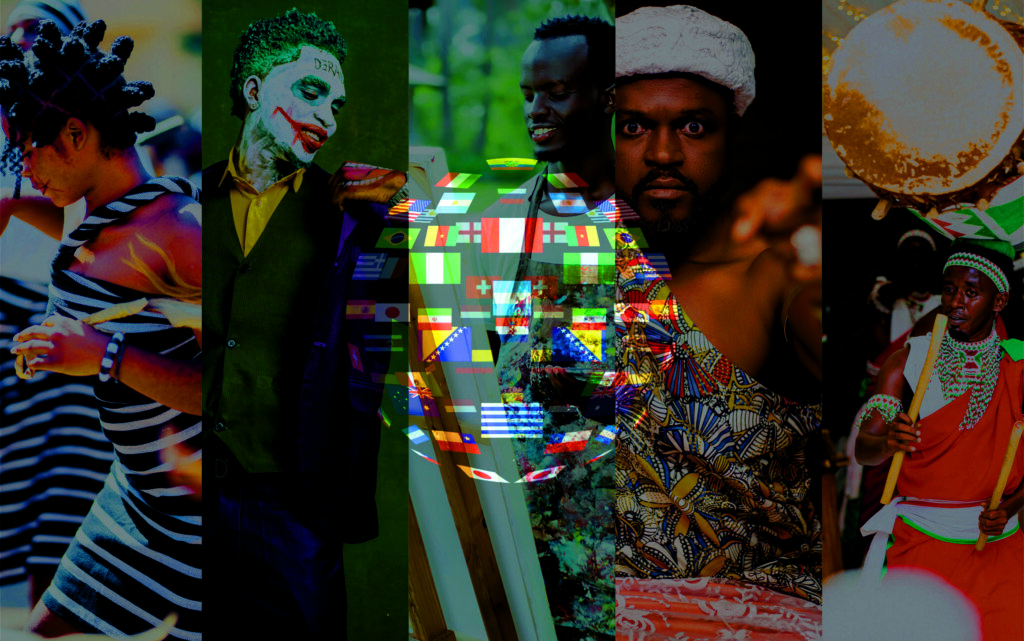
Artists and cultural activists play an important role in shaping society by using creativity, storytelling and cultural expression to raise awareness and inspire positive change. Through music, film, literature, visual arts and stage-performance, they can draw attention to social challenges, challenge harmful practices and give a voice to communities whose concerns may be overlooked.
Cultural activists also help preserve traditions and promote identity while encouraging dialogue on issues such as discrimination, human rights, peace and development. By connecting people emotionally and encouraging critical thinking, artists can influence public attitudes and inspire communities to take action. In this way, art and culture become powerful tools for education, social transformation and community development.
The role of artists and cultural activists as agents of change, include positioning artists not merely as entertainers, but as cultural leaders and social innovators. Cultural policy increasingly recognizes that artists should, preserve and reinterpret cultural heritage; promote social inclusion and community development; challenge inequality and advocate for justice; strengthen democratic participation through creative expression; contribute to economic development through the creative industries; and foster peacebuilding and intercultural dialogue. For example, it emphasizes culture as a driver of sustainable development, where artists help communities address issues such as climate change, migration, youth empowerment, and conflict resolution.
- Co-creation Mechanisms in International Cultural Policy
Modern cultural policy has shifted from a top-down government model to participatory governance.
| Co-creation means that policies are developed collaboratively by: | |
| Governments,
Artists, Cultural organizations, Local communities, Academic institutions, International organizations, Private-sector partners. |
Examples of co-creation include:
· Community-led cultural projects, · International artist residencies, · Joint heritage conservation initiatives, · Cross-border cultural festivals, · Collaborative digital cultural platforms. |
| The benefits include:
· Greater legitimacy · Better representation of diverse voices · Increased innovation · Stronger public ownership of cultural initiatives · More sustainable policy implementation |
- Paradigm Shifts in Foreign Cultural Policy
Foreign cultural policy has evolved significantly.
| Traditional Approach | Contemporary Approach |
| · Cultural export,
· National branding, · State-centered diplomacy, · Soft power competition, · One-way communication. |
· Cultural exchange,
· Mutual understanding, · Multi-stakeholder diplomacy, · Cultural partnerships, · Dialogue and collaboration. |
Today, countries increasingly use:
- Cultural diplomacy,
- Creative economy partnerships,
- Heritage cooperation,
- Digital cultural exchange,
- Youth and educational exchanges,
- Joint artistic productions.
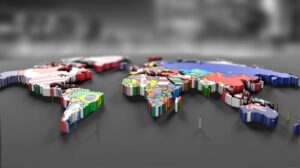
The emphasis is no longer simply on promoting national culture abroad but on creating shared cultural value.
- Science Diplomacy and Cultural Policy
Science diplomacy complements cultural diplomacy by using scientific collaboration to strengthen international relations.
Three widely recognized dimensions are:
- Science in diplomacy – scientific evidence informs foreign policy.
- Diplomacy for science – international cooperation enables scientific research.
- Science for diplomacy – scientific collaboration improves relations between countries.
Culture intersects with science diplomacy through:
- Indigenous knowledge systems,
- Heritage conservation technologies,
- Museum collaborations,
- Digital archives,
- Climate adaptation informed by local cultural practices,
- Cultural and scientific innovation ecosystems.
For example, collaborations on archaeology, biodiversity, language preservation, or climate resilience often combine scientific expertise with cultural knowledge.
- Integrating the Themes
You can present these ideas as a coherent progression:
Contemporary cultural policy increasingly recognizes artists and cultural activists as agents of social transformation whose creative practices contribute to democratic participation, cultural sustainability, and inclusive development. Through co-creation mechanisms involving governments, civil society, international organizations, and local communities, cultural policy has become more participatory and collaborative. At the international level, this participatory turn aligns with broader paradigm shifts in foreign cultural policy, moving from unilateral cultural promotion toward reciprocal cultural exchange and partnership. Furthermore, the growing convergence of cultural diplomacy and science diplomacy highlights the importance of interdisciplinary collaboration, where cultural heritage, scientific knowledge, and innovation jointly support sustainable development, international cooperation, and global peace.

- Relevance to the Nigerian Context
For a Nigerian perspective, these concepts can be linked to institutions and initiatives such as:
- Promoting cultural preservation and exchange.
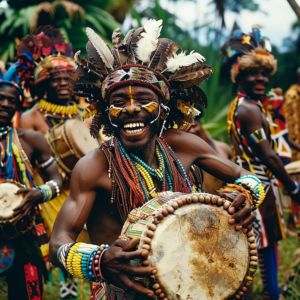
- Using performance to showcase Nigerian culture internationally.
- Advocating for artists’ welfare, cultural development, and public engagement.
- Nigerian film, music, theatre, and literary sectors serving as instruments of cultural diplomacy and strengthening the country’s international profile.
Together, these perspectives demonstrate how contemporary cultural policy extends beyond preserving culture to empowering artists, fostering collaborative governance, and positioning culture as a strategic resource for diplomacy, innovation, sustainable development, and international cooperation.
Picture Credit: The Global Leaders Institute