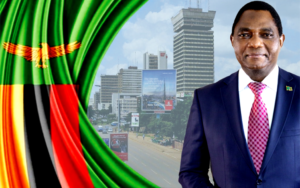

Hichilema Begins Second Term, Zambia Faces Political Tensions and Economic Expectations
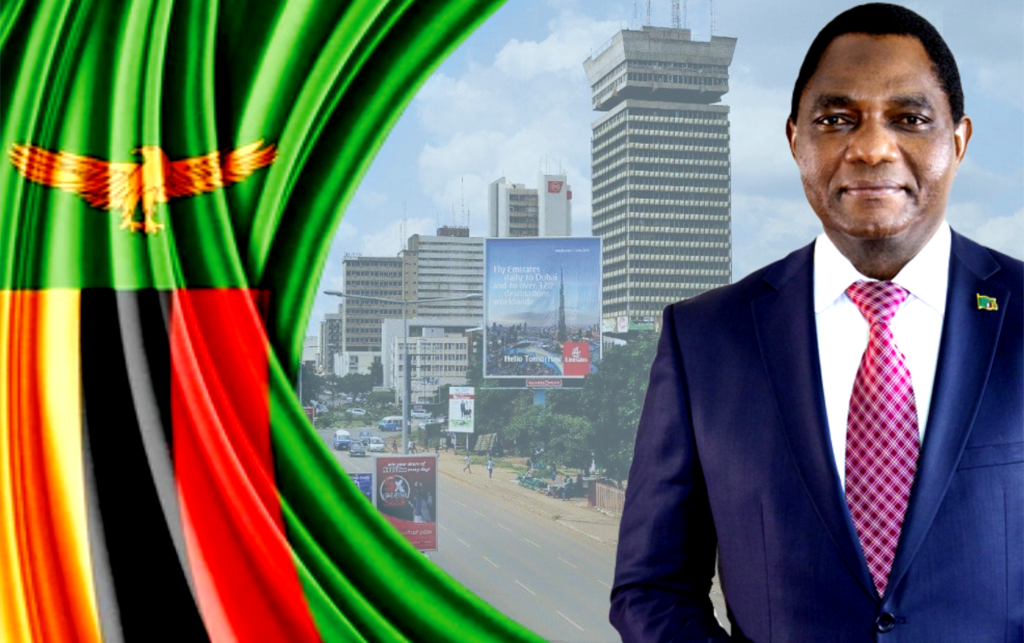
Zambian President Hakainde Hichilema has begun a second five-year term, after being sworn in at the National Heroes Stadium in Lusaka, following a tense and disputed general election that exposed abysmal frustrations among voters over the country’s political and economic direction.
Official results from the Electoral Commission of Zambia, gave Hichilema about 60% of the vote, and his closest opponent – Brian Mundubile, secured roughly 38%. Mundubile rejected the result, alleging widespread manipulation and vote tampering.
Although international and regional observers described the polling day as largely peaceful, though concerns were raised over weaknesses in the counting and verification processes. Critics also questioned the temporary closure of courts, around election petition deadlines and the heavy deployment of security forces, claiming that such measures risked undermining public confidence in the electoral process.
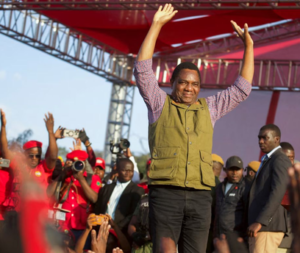
The dispute within the political ecosystem intensified after the election, when Mundubile and his running mate, Makebi Zulu, were arrested and transferred to Mukobeko Maximum Security Prison, on allegations of plotting an armed insurrection and threatening national security. The opposition denied the accusations and described the charges as politically motivated. Mundubile had earlier gone into hiding and sought temporary refuge inside a United Nations facility, after security raids on his property. He and Zulu eventually surrendered to police as pressure mounted.
The controversy, has placed the Hichilema administration under renewed scrutiny. While the government is likely to maintain that the election outcome provided Hichilema a mandate to continue its reform programme, opposition supporters and dissatisfied voters are demanding greater transparency, political inclusion and relief from economic hardship.
Hichilema’s second-term inauguration, was attended by regional leaders including the presidents of Kenya, Botswana and Zimbabwe, and it happened at a delicate moment. The president has said that the first term, was largely devoted to the difficult task of stabilising the economy and restructuring Zambia’s debt. But he promised his second term will be defined by stronger economic growth, job creation and poverty reduction.

That promise will be tested against the daily reality faced by many Zambians. Despite improvements in inflation and renewed interest from international copper investors, the cost of living remains a major concern, while poverty continues to affect a large proportion of the population.
The economy offers Hichilema both an opportunity to prove his governance and a political challenge to carry opponents aboard. Zambia’s vast copper reserves could attract greater foreign investment and generate much-needed export earnings, but voters are likely to judge the Hichilema’s government not on the influx of investment announcements, but on job creation, better incomes, affordable food and improved public services.
Greater investment in mining could also stimulate supporting industries, infrastructure, energy and transport, while agricultural development and local manufacturing could reduce Zambia’s dependence on imported goods and create opportunities beyond the mining sector.
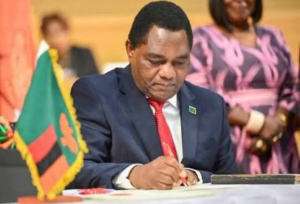
Hichilema’s central challenge in this 2nd term, will be to turn macroeconomic stability, into economic improvements that the ordinary homefront can feel. If the government succeeds in converting investment, debt reforms and copper revenues, into employment and wide-ranging prosperity, it could strengthen public support. If economic gains remain concentrated in one point, leaving inflation to strangulate daily-living-costs, the earlier dissatisfaction expressed during the election period, could spiral into an even greater sociopolitical unrest.
Zambia’s next five years will consequently be measured by the stability of Hichilema’s government, and the watchful eyes of the citizens, who will be waiting to see if his promise to transition from economic recovery to inclusive growth, will deliver tangible benefits to the Zambians.