
The Day Pensioners Became a Security Threat
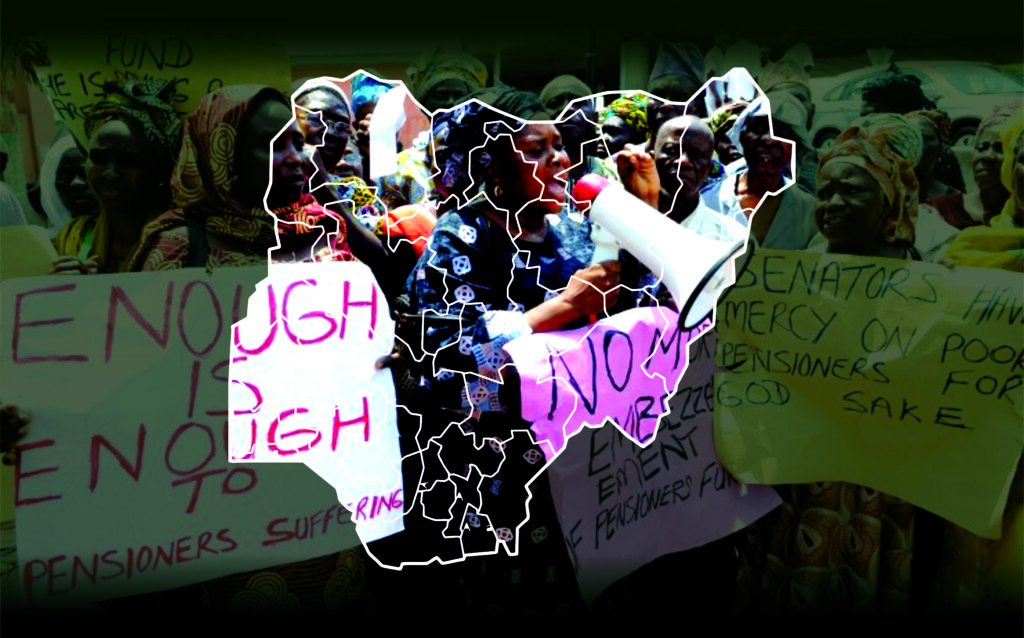
There was something profoundly unsettling about the image of pensioners protesting in the streets on the 31st of August/26. Not because citizens should not protest, seeing that peaceful protest remains one of the most visible instruments available to citizens, when conversations with government appear to have reached a dead end. What is unsettling is the concern about the kind of social contract that allows people who have spent decades serving the state, to now spend their retirement time fighting the same state, for their means of survival.
The crisis has escalated through a series of tactical maneuvers and ignored warnings throughout 2026, which will be detailed as follows:
January 2026: The Nigeria Union of Pensioners’ Contributory Pension Scheme (NUPCPS) submitted a formal policy template to the Lagos State Government, providing a structured roadmap for pension enhancement and the implementation of outstanding adjustments.
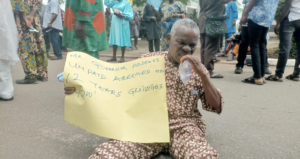
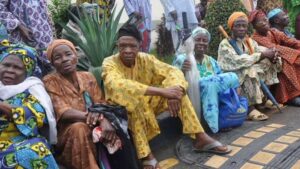
Early August 2026: Following months of administrative silence, pensioners issue a 19-day ultimatum to Governor Babajide Sanwo-Olu, demanding that accounts be credited with long-overdue pension increases and the 2024 wage awards.
August 24 – 30, 2026: Warning protests erupt across the state. Retirees march through key arteries, including Iyana Ipaja, to signal their increasing desperation and to force a response from a seemingly indifferent executive.
August 31, 2026: The final seven-day ultimatum expires, catalysing a massive mobilisation at the Lagos House and the State House of Assembly in Ikeja.
The August 31 deadline, functioned as the primary trigger for the protest. Having exhausted the channels of formal correspondence and warning strikes, the retirees transitioned to a strategic siege of the state’s legislative and executive seats. The shift from dialogue to physical demonstration was born of a growing belief that the state was intentionally delaying payments to push the financial burden onto the next administration.
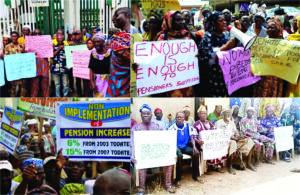
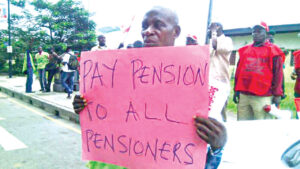
The choice of the Lagos State House of Assembly as the protest site was a calculated move to engage the arm of government responsible for oversight. However, the response from the Lagos State Police Command, by deploying tear gas against senior citizens, represents a grave departure from democratic norms and human rights standards.
The approach of the police has transitioned the crisis from a labour dispute into a significant political and human rights scandal. The biggest question to be answered is: On whose orders did the police act to use such a grievous response on the vulnerable group?
The image of elderly people running from tear gas while demanding pension arrears is not just damaging; it is a failure of the social contract.