
Lumbuye’s Case Expands Diplomatic-Rift between Uganda and Turkey, Disrupting Military Cooperation
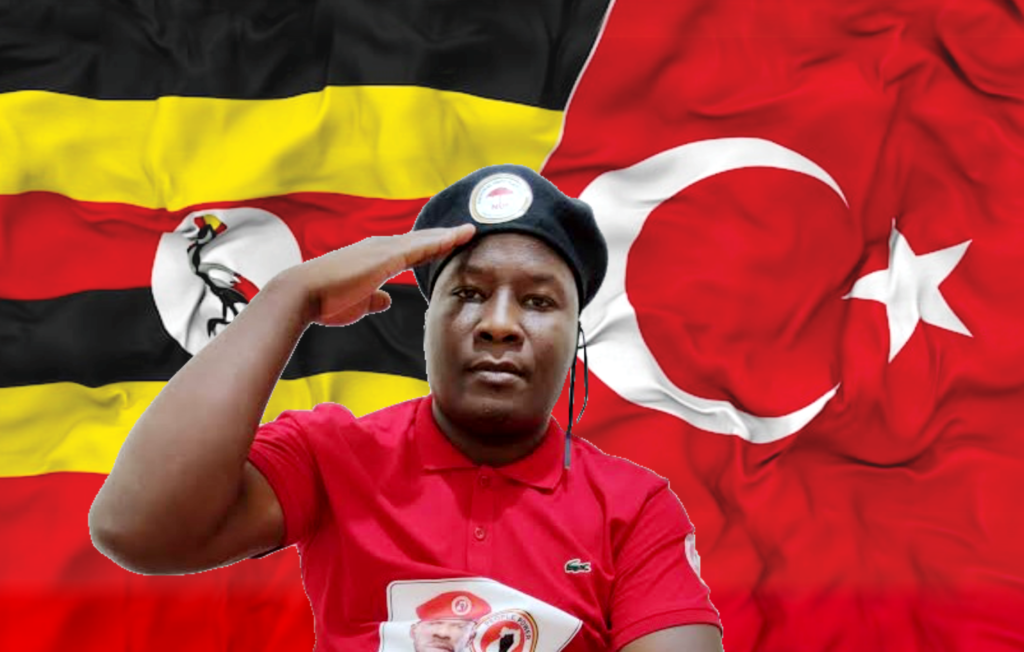
Uganda’s dispute with Turkey over political blogger and government critic Fred Kajubi Lumbuye has escalated into a diplomatic standoff, with Kampala suspending defence and military cooperation with Ankara, as pressure mounts for his extradition.
Lumbuye, who has lived in Turkey for several years, has used social media to mount sustained criticism of President Yoweri Museveni’s government and senior officials, including the president’s son and army chief, Gen. Muhoozi Kainerugaba. Ugandan authorities accuse Fred of using his online platforms to spread harmful propaganda, incite public unrest and commit cyber-related offences. Police said in 2021, 15 cases had been filed against him, with allegations including spreading harmful propaganda, incitement to violence and offensive communication.
Among the allegations against Lumbuye, are claims that he circulated false reports about President Museveni’s death and used his large online following to promote messages that are critical to the Ugandan government. Ugandan authorities have persistently been seeking his extradition to Uganda from Turkey, to face the charges. Meanwhile, Lumbuye is still in Turkey, where his legal status has become a central issue to the diplomatic relation between Kampala and Ankara.

The dispute intensified this month when supporters of the Patriotic League of Uganda (PLU), chaired by Kainerugaba, demonstrated outside the Turkish Embassy in Kampala on the 18th of September, 2026, demanding Lumbuye’s extradition. The protesters accused Turkey of allowing a Ugandan, wanted on criminal charges to operate from its territory and called on Ankara to respect Uganda’s judicial process.
Lumbuye’s case is the immediate source of tension, but the disagreement has expanded into wide-range diplomatic and security issues. Kainerugaba has repeatedly criticised Turkey over its refusal to hand over the blogger. He has also raised separate complaints about Turkey’s growing influence in Somalia, where Ugandan forces have played a longstanding role in supporting the Somali government against al-Shabab. Moreso, Turkey’s role as one of the security partners in Somalia, has also added another phase to the disagreement.
Thus, the two countries that have been maintaining close military defence relationship for nearly a decade, including military training, arms and surveillance equipment, technology transfers and counterterrorism cooperation, are now battling a nervously-strained relationship, because of a Ugandan social media activist.
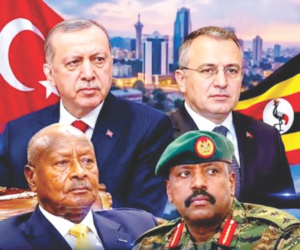
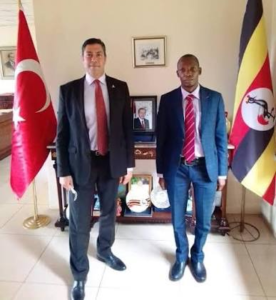
On September 19, the Uganda People’s Defence Forces (UPDF) announced that it had immediately suspended all defence and military cooperation with Turkey. The army spokesman, Col. Chris Magezi said, the suspension would remain until outstanding issues concerning mutual defence and military cooperation were resolved. The statement did not explicitly name Lumbuye or provided a detailed explanation of why they are backing off their almost a decade military cooperation, or what the unresolved issues.
The dispute has also spilled into Uganda’s economic relationship with Turkey. Ugandan authorities have threatened dealings affecting Turkish interests, including a reported $3 billion railway project involving Turkish construction company – Yapı Merkezi; and Kainerugaba has made additional demands concerning Turkey’s role in Somalia. These developments have widened what began as an extradition dispute into a bigger disagreement involving security, business and regional influence.
As regarding implications of the diplomatic relations, the suspension of military cooperation with Turkey, represents a significant setback for Uganda-Turkey relations, because the military defence has been one of the areas of sustaining their bilateral engagement. It could complicate cooperation on military training, security, equipment and counterterrorism, making diplomatic demands to treat and resolve the Lumbuye case back in Uganda, more difficult.
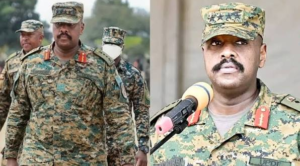
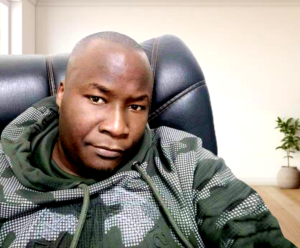
At the moment, Uganda’s position is that Lumbuye should be returned to face the criminal allegations against him in Uganda, which means Turkey has to extradite him back home. On this note, Turkey has not publicly announced a formal decision on his extradition or asylum status. Also, human rights advocates and opposition lawyers have urged the Turkish authorities not to return Lumbuye, because of Uganda’s human rights abuse record and the continuous use of death penalty. Meanwhile, Turkish authorities have maintained that any legal proceedings, must be handled through established diplomatic and judicial channels. They have rejected political pressure or attempts to enforce an unauthorized transfer of Lumbuye. Although, Turkey’s persistent decision not to hand him over to the Ugandan government, has become a major point of contention.
In the meantime, the UPDF has left the door open to restore the military cooperation between Uganda and Turkey, if the outstanding issues are resolved. But with the extradition demand becoming intertwined with the military collaboration in Somalia, affecting Turkish business interests in Uganda and diplomatic relations frontline, the Lumbuye’s case has developed beyond his critic activism countering the Uganda politics and the charges leveled against him back home, to a diplomatic re-evaluation of the Uganda-Turkey bilateral relations.