
Mali on the Brink as Rebel Offensives and Economic Isolation Expand the Crisis
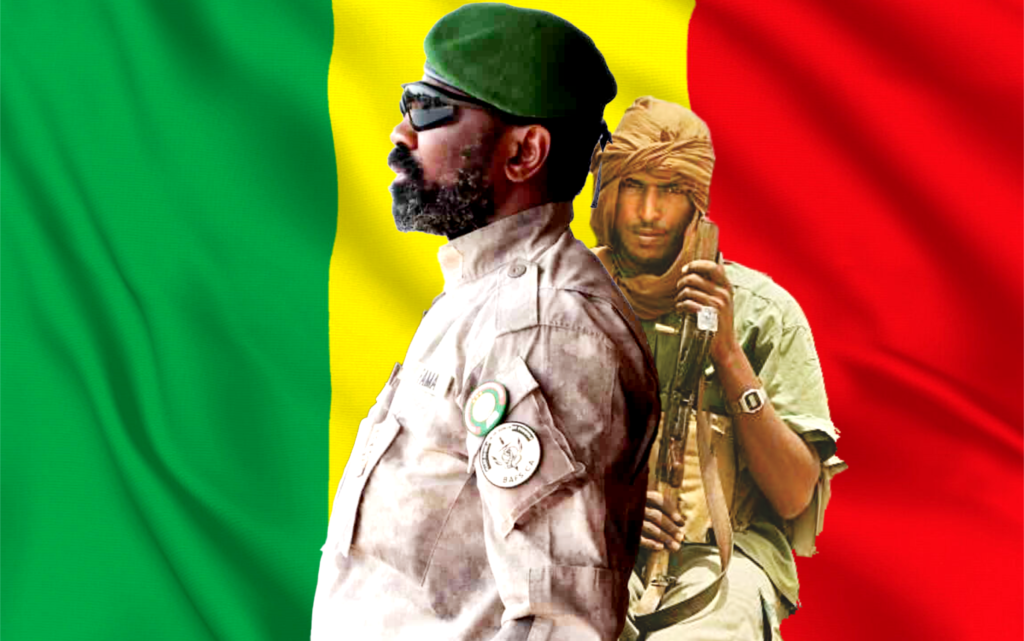
Bamako, Mali, is currently grappling with a multi-front crisis as coordinated insurgent attacks, a choking blockade of the capital, and extreme economic isolation threaten the stability of the military-led government. Recent reports indicate that the nation is facing a “legitimacy crisis” as the junta struggles to maintain control over strategic territories while the humanitarian situation for millions of civilians continues to deteriorate.
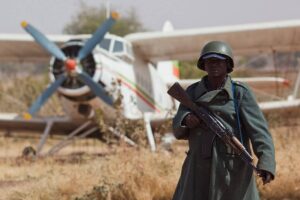
Intense fighting has centred on the town of Anéfis, a strategically vital corridor in the Kidal region. In July, the Malian army and its Russian partners, known as the Africa Corps, encountered an extensive assault launched by a coalition of rebels and extremists. While official government channels have celebrated the “destruction” of these groups and the arrival of reinforcements, the Azawad Liberation Front (FLA) claims a decisive victory, reporting that they have defeated enemy convoys and taken prisoners.
The town itself, though small, hosts a significant military garrison and is a key stronghold for asserting government control in the north. However, regional analysts suggest that the army is losing the battle for the narrative, increasingly outsourcing victory portrayals to allied channels as they struggle to reclaim nearly 30% of national territory.
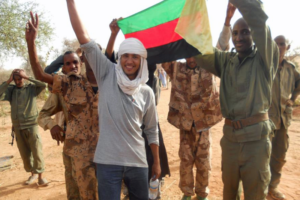
A significant factor in the government’s recent setbacks is the unprecedented level of coordination between the Azawad Liberation Front (FLA), a secular Tuareg-led movement, and Jama’at Nusrat al-Islam wal-Muslimin (JNIM), an al-Qaeda affiliate. Though the two groups have clashing ideologies, their joint offensive (the largest in nearly a decade) has created a pool of manpower and material that the Malian government was unprepared for.
This alliance has already yielded devastating results, including the assassination of Defense Minister Sadio Camara during a commando-style raid on the fortified city of Kati in late April. The failure of the Africa Corps (formerly the Wagner Group) to prevent these losses has led to a reevaluation of Russia’s role as a “regime security provider” in the Sahel.
Since early May, JNIM has effectively blocked the capital city of Bamako, establishing roadblocks that have restricted food and fuel imports. This blockade, coupled with severe fuel shortages, has paralysed logistics and triggered an alarming rise in the cost of living.
In response to the mounting pressure, President Assimi Goïta has assumed the role of defence minister and launched a wave of arrests targeting prominent critics, opposition politicians, and members of the military. Experts warn that this suppression of dissent, rather than building peace, has historically allowed the jihadist insurgency to grow by eroding public trust in state institutions.
Mali’s decision to exit the Economic Community of West African States (ECOWAS) to form the Alliance of Sahel States (AES) with Burkina Faso and Niger has further complicated its recovery. Opting out of ECOWAS’ free movement and trade protocols, Mali faces significantly higher import and export expenses.
The economic pressure is immense, as ECOWAS states previously accounted for over 50% of Malian imports. Furthermore, the withdrawal from collective security frameworks like the ECOWAS Standby Force (ESF) leaves Mali more vulnerable to the spillover of terrorist activities, which are now shifting from the Middle East into the Central Sahel.
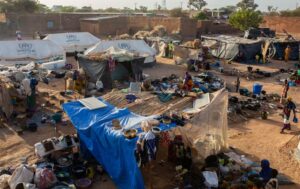
The human cost of the conflict is staggering, with an estimated 5.1 million people affected by the crisis. Thousands of civilians, mostly women and children, are fleeing to urban centres to escape the violence, leading to a surge in gender-based violence (GBV) and a breakdown in essential medical services.
The United Nations Population Fund (UNFPA) reports that standard ambulance services have been suspended in several regions due to insecurity, compromising life-saving maternal and neonatal care. While humanitarian agencies are attempting to maintain mobile clinics, the ongoing blockade of Bamako threatens to deplete contingency stocks of essential health and hygiene kits.
As the Azawad Liberation Front demands autonomy for northeastern territories and extremists continue their siege, many Malian political and religious leaders are calling for negotiations as the only viable path out of the conflict. However, for now, rebel spokespeople maintain there is “no negotiation initiative” with the current leadership in Bamako.