

Nigeria/Guinea-Bissau Strengthen Military Partnership as African Army Chiefs Push Regional Security Cooperation
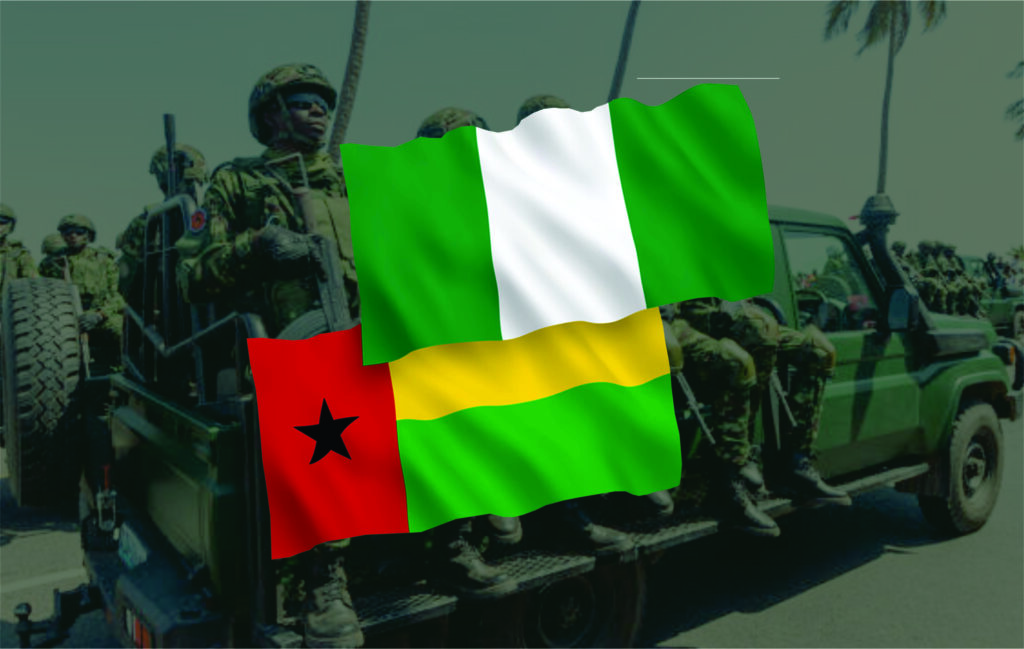
As insecurity continues to evolve beyond national borders, Nigeria and Guinea-Bissau have strengthened military ties through a new strategic defence partnership, aimed at tackling transnational threats, and reinforcing democratic governance across West Africa.
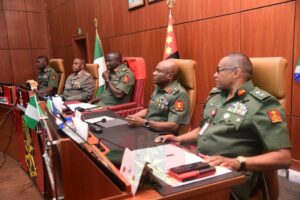
The agreement emerged on the sidelines of the Third African Land Forces Forum in Port Harcourt, held as part of the 163rd Nigerian Army Day Celebration (NADCEL), where military leaders from across the continent gathered to reassess Africa’s collective response to terrorism, violent extremism, organised crime and political instability.
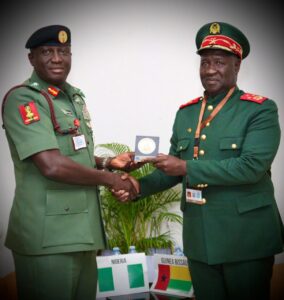
During bilateral discussions, Nigeria’s Chief of Army Staff – Lieutenant General Waidi Shaibu and Guinea-Bissau’s Chief of Armed Forces – Major General Tomas Djass, outlined a framework for closer defence cooperation that will be centred on intelligence and knowledge exchange, joint military training, capacity development and enhanced operational collaboration. The initiative also reinforces Nigeria’s longstanding contribution to regional peace efforts, particularly through ECOWAS-backed stabilisation initiatives, in Guinea-Bissau.
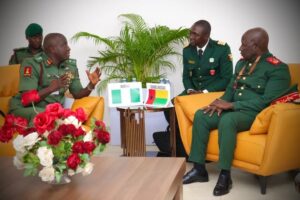

Going further than the conventional military cooperation, the agreement reveals a bigger diplomatic strategy that better views security as a shared regional responsibility, rather than an isolated national challenge. Across West Africa, porous borders continue to facilitate the movement of armed groups, illicit weapons and organised criminal networks, making coordinated responses among neighbouring states, highly essential.
Diverse analysis on security, have consistently showed that sustainable regional stability, requires more than battlefield victories. Effective cooperation must be supported by stronger institutions, intelligence-sharing mechanisms, professional armed forces and respect for democratic governance. Against this backdrop, the Nigeria/Guinea-Bissau partnership, indicates an effort to combine military preparedness with institutional capacity.
As regarding communities living along border regions and in conflict-affected areas, the significance of this partnerships extends beyond military strategy. Improved coordination among African land forces has the potential to reduce cross-border violence, protect civilian populations and create safer conditions for economic activity and humanitarian access. However, some participants noted that the long-term success of defence collaborations, will ultimately be measured by their impact on people’s daily lives, rather than by bilateral agreements alone.
The forum also highlighted Africa’s growing preference for African-led security solutions, with military leaders seeking to strengthen interoperability and reduce dependence on external interventions. These cooperation is greatly viewed as critical, to addressing complex security challenges that no single country can effectively confront in isolation.
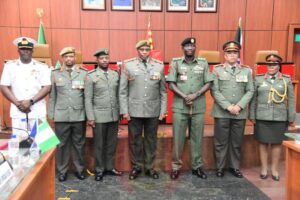
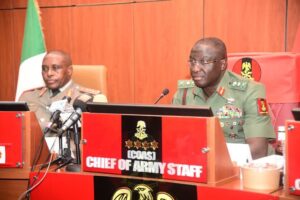
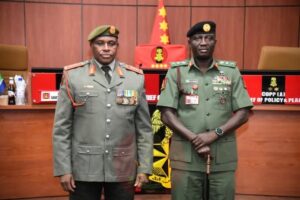
While welcoming delegates to the forum, Lieutenant General Shaibu described the NADCEL’s event as a privilege for Nigeria to host senior military leaders from across the continent. Participating countries included Angola, Cameroon, the Central African Republic, Congo-Brazzaville, Ghana, Guinea-Bissau, Liberia, Mauritania, Morocco, Namibia, Sierra Leone, South Africa, Tanzania, The Gambia, Uganda and Zimbabwe.
The grand participation, emphasized a shared recognition that Africa’s security landscape is becoming progressively interconnected. So while defence diplomacy remains a vital instrument for building trust among armed forces, stakeholders maintain that lasting peace will also depend on accountable governance, socioeconomic development, community engagement and sustained political commitment to addressing the root causes of conflict.
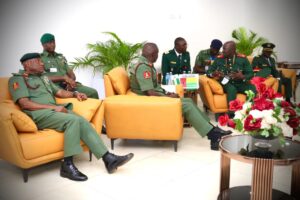
As the African regional militaries strengthen cooperation, the probable perceived challenge in people’s thoughts, will be how these diverse military bodies will translate these strategic commitments into tangible improvements for transnational security, democratic stability and human welfare across the continent.