
Tinubu Pitches Global Investors ahead of 2027, Nigerians Demand Reform-Results at the Homefront
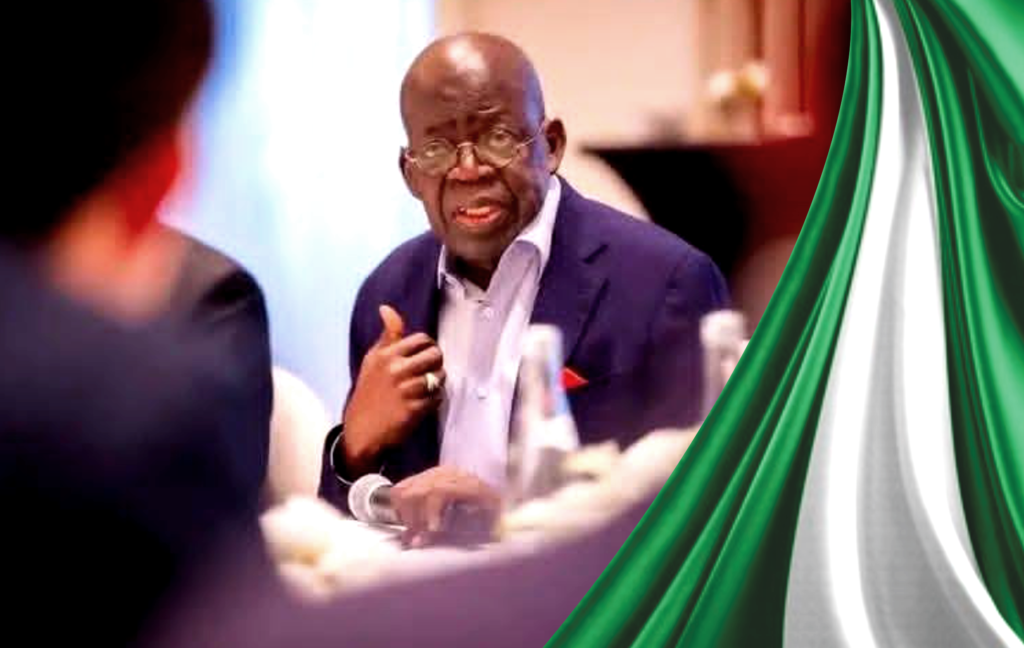
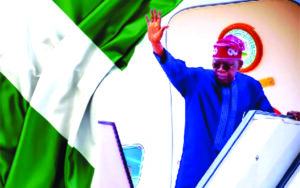
In a polished meeting room in Paris, President Bola Tinubu pitched a familiar promise to an audience of global financiers, stating that after 2027, Nigeria will double down on fiscal discipline, transparency and policy stability. To investors from firms such as BlueCrest Capital Management, Citibank, Amundi, Prudential Global Investment Management (PGIM), etc., the message of the President was clear that Nigeria wants to be seen as being predictable, reform-minded and open for long-term capital venture. Although, bypassing the diplomatic-language and macroeconomic projections, are more complex queries of how these assurances will translate into everyday realities for Nigerians who are still sinking in the rising inflation, naira weakness and uneven access to basic amenities.
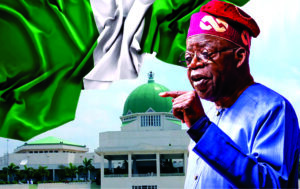
Speaking in response to questions about his post-2027 agenda, with his diplomatic pitch for stability, Tinubu framed his administration’s reforms as part of a longer arc that aims to remove economic-distortions and stabilise the economy. The emphasis on policy continuity is not accidental. In global finance circles, Nigeria’s reputation has often been shaped by abrupt policy-changes and cloudy fiscal practices. Even so, the Renewed Hope agenda has unveil some infrastructural development thus far, supported over 1million students with the student loan scheme, provided alternative energy to PMS for car owners in order to cushion the harsh-effect of the subsidy removal and so on.

By pledging consistency, Tinubu aligned with a wider international frameworks that prioritise transparency, debt sustainability and investors’ confidence, which are the key benchmarks often tied to institutions like the IMF and World Bank. President Tinubu’s team, which comprised of Finance Minister – Taiwo Oyedele and the Debt Management Office – Chief Patience Oniha amongst others, reinforced his statement by pointing to the reported dollar-based GDP growth in the past year, likewise stressing on responsible borrowing. These factorial-indicators matter alot to investors. But in respect to some governments’ presentational-parlance, they are also a form of diplomacy that paints economic credibility as foreign policy.
On the contrary, some collated-reportage of people’s views about government’s fiscal discipline, based on their day-to-day existential socioeconomic experience on the street and in market places across Nigeria, revealed that the phrase sounds like a detached rhyme to their eyes, because of its ineffective impact in their lives/businesses. On the other hand, some said that the Renewed Hope reform campaign, which postdate subsidy removal/naira-devaluation, has not uninstalled the procession of continuous rising inflation costs for most Nigerians; and currently, it is transversing every facet of the Nigerian economy, adversely impacting livelihood and hosting uncertainty for most businesses.
Some civil society groups, local economists, social media influencers, etc., are arguing that the macroeconomic indicators only improve on database, but the physical benefits are far from reaching the ordinary citizens. So, even if government publish quarterly financial data to show a progressive economic improvement and accountability, the masses would still state that transparency alone does not guarantee equitable outcomes, because their current economic status shows otherwise. According to a small business owner in Lagos – “economic stability is important, but we also need policies that can make people to start experiencing gradual relieve, immediately”.
Focally, Tinubu also linked economic recovery to security and structural reforms, highlighting plans for police decentralisation and efforts to disrupt terrorist financing. A fantastic proposition. These proposals, touched on long-standing debates about Nigeria’s federal structure and the balance of power between the central and state authorities. On the issue of security reform, some analysts noted that as much it is about safety, it is also an economic issue. As persistent insecurity in parts of the country, continues to disrupt agriculture, trade routes and dazzling-down foreign investment/investors’ confidence. They also believe that if police decentralisation would lead to measurable improvements, in the protection of lives and property, it will highly depend on the political-will of leaders in government to implement it effectively, given the sensitivity surrounding it.
The Paris meeting highlights a bigger tension in Nigeria’s economic strategy, such as the need to reassure global investors, while maintaining domestic legitimacy. Still, positive feedback from global capital management firms, suggests growing external optimism. But back at home, trust is not shaped by projections, it is driven by subsisted-experiences. Nonetheless, President Tinubu’s administration insists that reforms will eventually yield inclusive growth, and most Nigerians are holding that statement to an undying hope; even though, the challenge lies in bridging the gap between long-term economic restructuring and immediate social impact.
As Nigeria looks toward its ambition of becoming a $1 trillion economy by 2030, the success of this vision may not depend on what is promised in global-meeting room presentation, but more on the deployed-deliverables by the federal government, her captains of federal ministries, and if the promises of the deployed-deliverables will translate into tangible improvements across Nigerian diverse communities and socioeconomy.