

President Mahama of Ghana Reviews Constitution for Five-Year Presidential Term
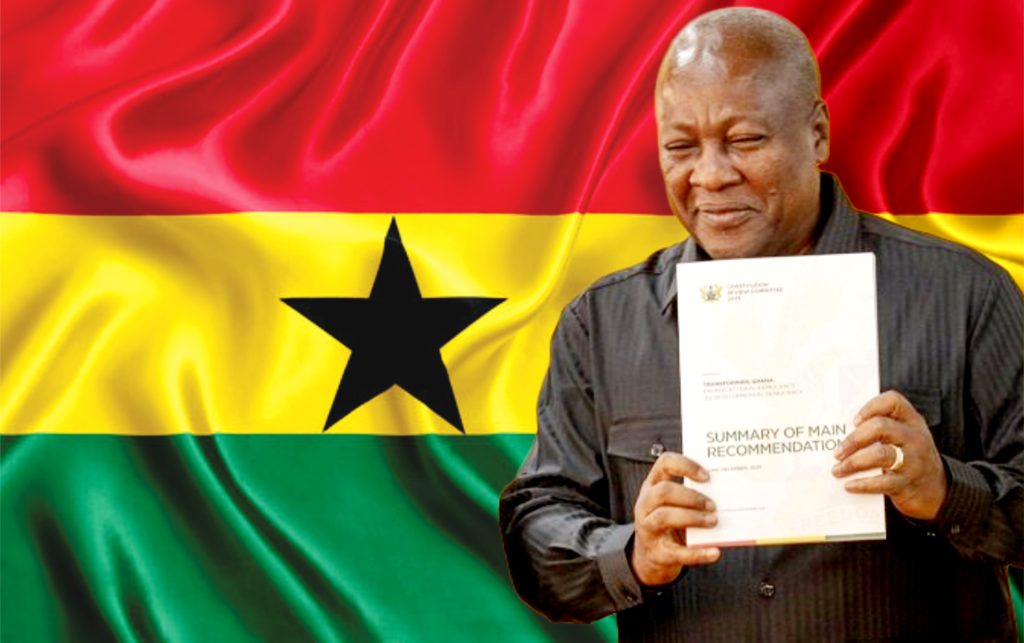
Ghana is considering a significant constitutional reform that would extend presidential and parliamentary terms from four years to five, whereas preserving the two-term limit, strictly. Backed by President John Dramani Mahama and his administration, the proposal is designed to strengthen governance as against prolong political power, with any amendment requiring approval through a national referendum in 2027.
The administration maintains that Ghana’s current four-year electoral cycle, limits effective governance. According to officials, a new administration spends much of its first year settling into office, while the final year is seriously dominated by election campaigns, leaving only about two years for implementing major policies. Extending each term to five years would provide governments with greater stability to execute long-term development plans, complete infrastructure projects, and pursue economic and social reforms without constant electoral pressure.

Supporters also contend that less frequent national elections, would reduce the substantial financial costs associated with organizing presidential and parliamentary polls. They believe a longer governing cycle, could encourage fiscal discipline by reducing election-driven public spending; and allowing ministries to focus on sustained investment in education, healthcare, infrastructure, job creation, etc.
Advocates of the President Mahama’s proposal, are of the opinion that the reform could translate into more consistent public services, improved policy continuity and drive stronger economic planning. Furthermore, businesses/investors may also benefit from it, because it would afford a more predictable political environment. The reform would also afford the government agencies additional time to deliver measurable results, before returning to the electorate.
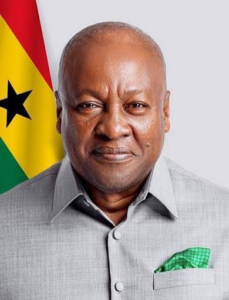
Essentially, the proposal does not seek to create a life presidency or remove constitutional precautions on executive power. The existing two-term limit would remain unchanged, meaning a president could serve a maximum of 10 years, instead of the current 8 years. Thus, any amendment must also receive overwhelming public approval through a constitutional referendum, so as to reinforce Ghana’s democratic checks and balances.
On the other hand, the argument over this proposition, carries a far-reaching significance across Africa, where constitutional amendments to extend presidential seats/time in office, have often generated controversy.
However, this Ghana’s proposal differs from some reforms in certain related African countries that have weakened or abolished presidential term limits. Instead, it represents a restructuring of the length of each mandate, preserving democratic succession through regular elections and constitutional limits.
Either approved or rejected, the proposal highlights a bigger query confronting many African democracies; a query demanding clarity on whether constitutional reforms should prioritize giving elected leaders more time, to implement long-term national development strategies, or proffer them with shorter electoral cycles, to afford strong precautions for accountability.
Ghana’s proposal approach suggests that extending a single term, needs not undermine democracy, provided a firm elected-term limit remains intact, constitutional procedures are respected and the electorate retains the final say.