
Senegal Consolidates Control of Strategic Gas Asset to Advance Energy Sovereignty and Domestic Growth
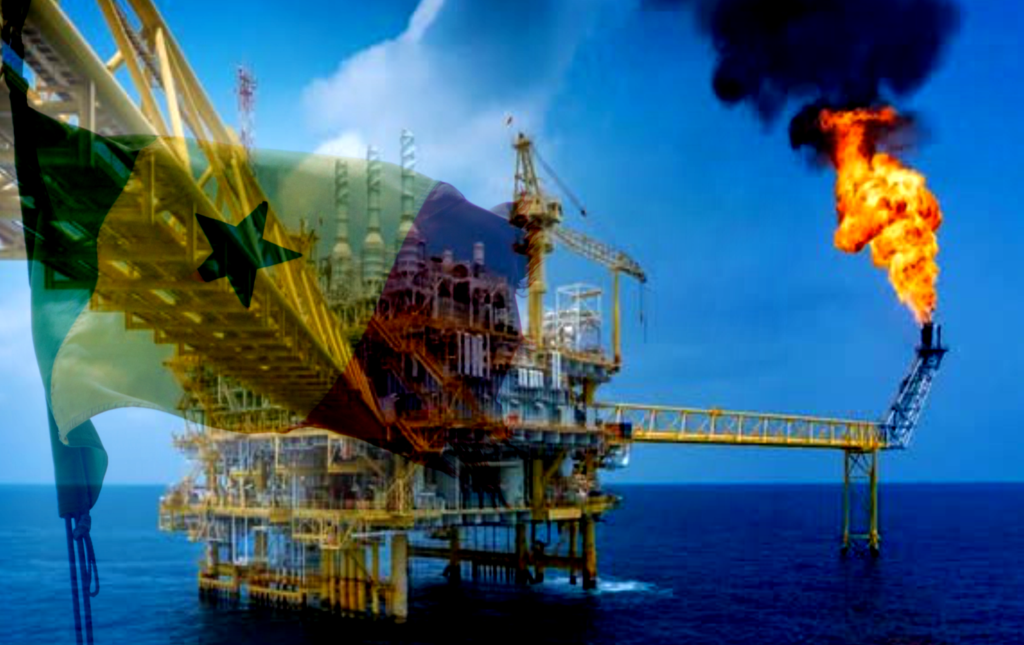
In a decisive shift that accentuates a wide-ranging recalibration of resource-control/governance across Africa, Senegal has assumed full control of the Yakaar-Teranga gas project, in one of the region’s largest untapped offshore reserves. Marking a turning point in how the country intends to harness its natural resources-wealth.
The project, estimated at 25 trillion cubic feet of gas and located in the Cayar Offshore Profond block, was previously dominated by US-based Kosmos Energy. Under a newly concluded agreement, the firm has exited its 90% stake without financial compensation, transferring full operational control to Senegal’s state-owned PETROSEN. The decision, announced by Prime Minister Ousmane Sonko, shows more than a contractual adjustment. It portrays a deliberate reel towards energy sovereignty, domestic industrialization and political accountability.
The Yakaar-Teranga project, is no longer being framed primarily as an export-driven venture. Instead, the government is repositioning it as a backbone for local energy supply, aiming to address chronic electricity shortages, stabilize energy prices, power industries ranging from manufacturing to fertilizer production, and more. Many Senegalese households and small businesses, will in no time, begin to enjoy the tangible promise this gas project holds. More reliable electricity, lower costs, expanded economic opportunities, etc., will be some of the features of this achievement.
Besides, this policy transition carries some indepth social-calculus. In coastal communities near the project site, where fishing occupations have long coexisted uneasily with offshore exploration, the feel of unknown expectations are rising gradually. Local stakeholders are pressing for clearer guarantees of creation of jobs, environmental protections, community investments, to mention but a few, in order to ensure that the benefits of gas production, are not confined to urban centers or political elites.
Economically, this control-switch could redefine Senegal’s development-trajectory. By prioritizing domestic gas utilization, the government hopes to reduce dependence on imported fuels, improve its trade balance and create value chains that extend beyond raw resource extraction. Experts noted that if this gas project is managed effectively, it could anchor a new phase of industrial developmental leverages, particularly in energy-intensive sectors.
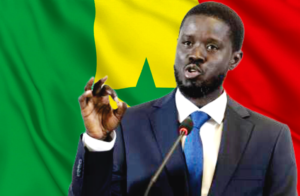
However, the decision introduces a layer of complexity, politically. While it reinforces the government’s reformist-image and its commitment to reclaiming national resources, it may also have reshaped investors’ perceptions. The uncompensated exit of a major foreign stakeholder as Kosmos Energy, is likely to be scrutinized by international energy firms carefully; some of whom may be interpreting the recent situation as an indicator of rising-call for resource-control-nationalism.
Senegal now faces the delicate task, of balancing sovereignty diplomatically, with investors’ confidence. Though, some government officials had emphasized that the decision was mutually agreed upon, to align with a long-term national interests; but its statement-of-intent from this restructuring transcend borders, particularly in a global energy market that is now increasingly attentive to political risk.
In the meantime, Yakaar-Teranga stands as both an opportunity and a test. It embodies the promise of a more self-directed energy future for Senegal, while raising critical questions about governance, inclusivity and the equitable distribution of wealth from natural-resources.
As the country takes full command of one of its most valuable natural assets, the success of this transition will ultimately be measured in how extensive its benefits reach into the lives of ordinary citizens, besides the almost enormously-endless cubic feet of gas.