
WHO Declares Bundibugyo Ebola Outbreak in DR Congo and Uganda, a Global Health Emergency
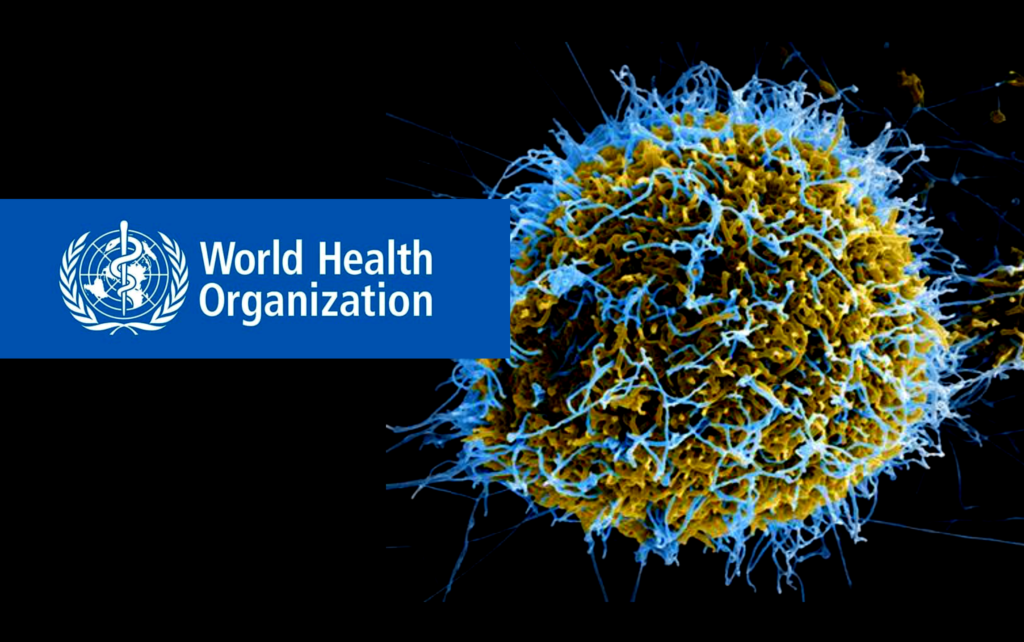
A deadly outbreak of Ebola disease caused by the rare Bundibugyo virus, is exposing the fragile intersection of conflict, migration and public health in Central Africa, as authorities in the Democratic Republic of the Congo (DRC) and Uganda, race to contain a rapidly evolving regional emergency.
The World Health Organization (WHO) has declared the outbreak a Public Health Emergency of International Concern (PHEIC), after confirmed cases emerged in eastern DRC and crossed into Uganda through infected travelers. The declaration places the outbreak among the most serious global health threats under international law; and activates heightened coordination under the International Health Regulations (IHR).
Ituri Province in eastern DRC, is at the center of the crisis. Ituri is a mineral-rich but intensely unstable region shaped by armed conflict, mass displacement and weak healthcare infrastructure. Health officials say the outbreak likely began in the mining zone of Mongbwalu, where dense population movement and limited medical oversight, created conditions for silent transmission.
By the time laboratory confirmation arrived in mid-May, dozens had already died, including healthcare workers on the frontlines. Local investigators now believe a dangerous detection gap of nearly four weeks, allowed the virus to spread through homes, clinics and burial ceremonies, before authorities recognized it as Ebola.
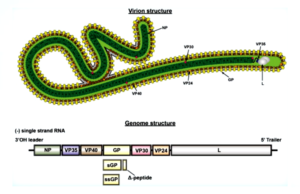
Unlike previous Ebola outbreaks linked to the Zaire strain, this outbreak involves Bundibugyo virus, a rarer species for which no licensed vaccine or approved treatment currently exists. That absence has intensified anxiety among communities already traumatized by years of violence and repeated epidemics.
In affected villages around Mongbwalu and Rwampara, families reportedly continued caring for sick relatives at home, often without protective equipment or reliable information. Women, who make up the majority of suspected cases, appear to be disproportionately affected, because of their roles as caregivers within households and communities.
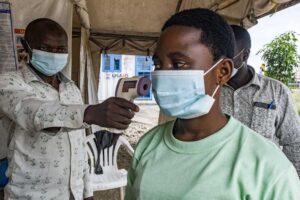
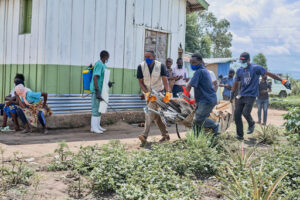
Health workers in Bunia and surrounding districts, are also confronting growing fear and exhaustion. Several clinicians reportedly died after exposure in overcrowded facilities with inadequate infection-control systems, highlighting long-standing structural weaknesses in the region’s healthcare network.
The outbreak’s spread into Uganda, has added a diplomatic dimension to the emergency. Ugandan authorities confirmed imported cases in Kampala, linked to travels from DRC, which has triggered rapid border-surveillance and quarantine measures. While no sustained local transmission has yet been confirmed in Uganda, officials are treating the situation as a high-risk regional threat.
WHO has urged governments not to impose blanket border closures or trade restrictions, warning that such actions often drive movement underground and undermine disease surveillance. Instead, the agency is pressing for coordinated cross-border screening, information sharing and joint surveillance between neighboring states.
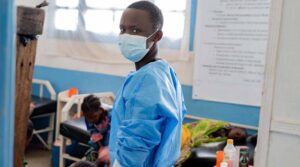
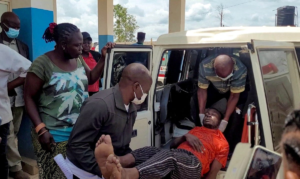
That recommendation show lessons learned from past Ebola responses, where mistrust between governments and communities, frequently weakened containment efforts. Especially in eastern DRC, public health campaigns have historically collided with insecurity, political distrust and misinformation. Humanitarian agencies also warned that the outbreak is unfolding in one of Africa’s most vulnerable humanitarian zones. Ituri alone host hundreds of thousands of displaced people, many living in overcrowded camps with limited sanitation and little access to healthcare. Furthermore, Aid organizations have also reported attacks against humanitarian personnel, complicating emergency operations.
One critical-side of the situation, the outbreak is not merely a medical crisis, but also an economic one for many residents/families. Mining activities, informal trade routes and local transport networks, are already slowing-down transaction, as fear spreads across communities dependent on daily movement for survival. Traders near border corridors say, the uncertainty over screening measures and possible restrictions, is affecting livelihoods even before wider containment policies are introduced.
Diplomatically, the outbreak is also testing regional preparedness mechanisms, within East and Central Africa. Public health experts say the emergency highlights the need for stronger African-led disease surveillance systems, faster laboratory coordination and long-term investment in rural healthcare infrastructure, rather than short-term emergency deployments alone.
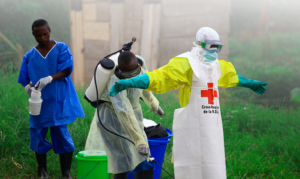
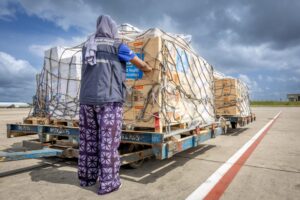
WHO and regional partners have deployed rapid response teams, mobile laboratories, isolation units and emergency supplies, to affected areas. But officials acknowledge that medical intervention alone, will not stop transmission. Containment may ultimately depend on whether authorities can secure public trust in communities where conflict, poverty and political neglect, have shaped everyday life for decades.
As contact-tracing continues across eastern DRC and Uganda, health officials warn that the coming weeks will determine if the outbreak remains geographically contained, or develops into a wider regional emergency, with consequences that might be farther than the immediate epicenter.