
The Ghana Creative Arts Sector is not Fit to be Called an Industry
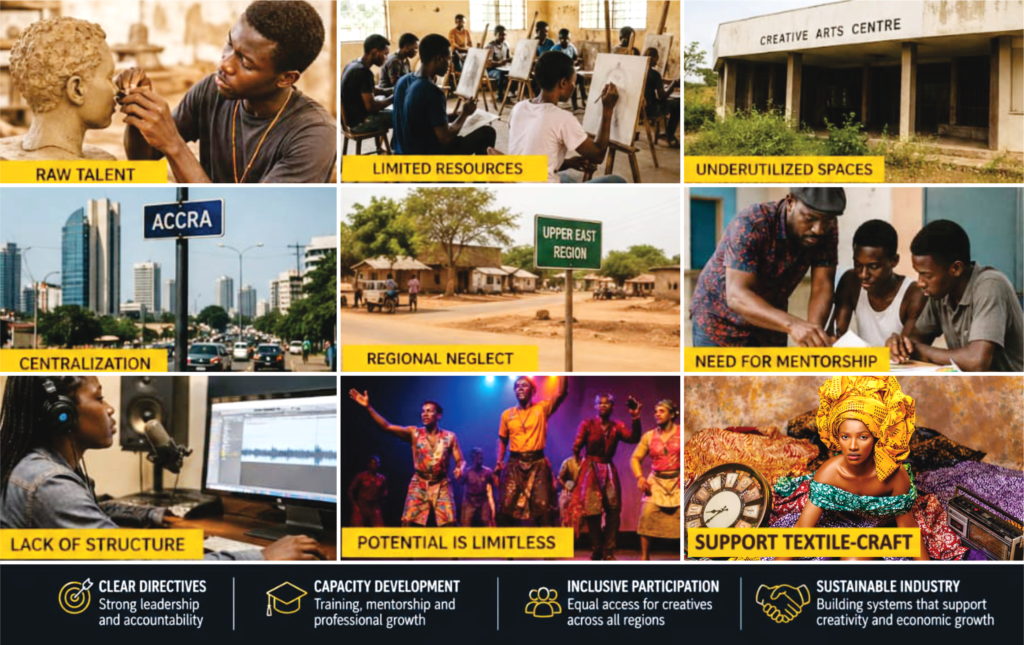
Institutions like the National Film Authority and the Creative Arts Agency, Ghana, including oversight from the Ministry of Tourism, Culture and Creative Arts, lack clear direction and coordinated execution. Policies exist, but implementation is weak and often disconnected from the real needs of practitioners.
There is also a serious gap in capacity building. Few structured training, mentorship, or development programs exist to consistently grow skills and professionalism across the sector. Most critically, creatives outside Accra are largely excluded. Opportunities, funding and visibility, remain heavily centralized, limiting national growth and leaving the vast spectrum of talents untapped.
Without clear directives, inclusive participation, and deliberate capacity development, the sector cannot evolve into a balanced and sustainable industry.
There is a growing tendency to describe Ghana’s creative arts space as an “industry.” It sounds progressive, even reassuring, but the reality on the ground tells a different story. What we currently have is a vibrant and promising sector, rich with talent and cultural depth, but still lacking the structure, coordination, and intentional development that define a true industry.
An industry is not just about activity or visibility. It is built on systems, policies that work, institutions that function with clarity, and opportunities that are accessible across all levels. By that standard, Ghana’s creative arts ecosystem is still in transition.
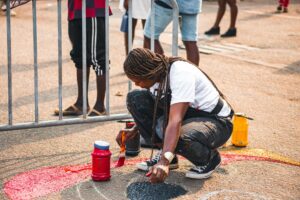

Key institutions such as the National Film Authority and the Creative Arts Agency, operating under the Ministry of Tourism, Culture and Creative Arts, were established with the mandate to regulate, support, and grow the sector. However, the challenge is not the absence of institutions or policies, it is the lack of clear direction, coordinated execution, and measurable impact.
Policies exist on paper, but implementation remains inconsistent and often disconnected from the realities creatives face daily. Many practitioners continue to operate without the support systems that should guide their growth, protect their work, and open pathways to sustainable careers.
Beyond policy gaps, there is a deeper issue of capacity. Across film, visual arts, theatre, music, and design, there are limited structured training programs, few long-term mentorship pipelines, and inadequate professional development frameworks. Talent exists in abundance, but talent alone is not enough. Without deliberate investment in skills development, innovation, and technical training, the sector cannot mature into a competitive force on the global stage.

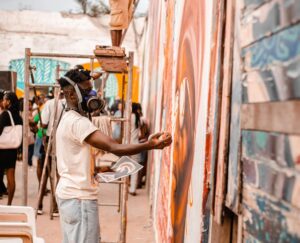
Equally concerning is the issue of access and inclusion. The creative economy in Ghana remains heavily centralized in Accra. For many creatives in regions such as the Volta, Northern, Upper East, and Western regions, opportunities feel distant and often out of reach. Funding, exposure, and institutional support are concentrated in one geographic area, leaving a vast pool of talent underrepresented and underutilized.
This imbalance is not just unfair, it is economically limiting. A true industry thrives on diversity of input, regional participation, and the ability to discover and nurture talent wherever it exists. When large parts of the country are excluded, the entire sector loses out on innovation, cultural richness, and growth potential.
To move forward, there must be a shift from rhetoric to action. Clear directives must guide institutions, with accountability mechanisms that ensure policies are not just announced but executed effectively. Capacity development must become a priority, with structured programs that equip creatives with both artistic and business skills. Most importantly, access must be decentralized, creating pathways for creatives across all regions to participate meaningfully in the ecosystem.
The truth is simple, but necessary to confront. Ghana’s creative arts sector is full of promise, but it has not yet earned the title of an industry. That transition will require intentional leadership, coordinated systems, and sustained investment.
Until then, we must be honest about where we stand, not to undermine the sector, but to position it for the transformation it truly deserves.