
Nigeria Faces Mounting Heat Risks as Experts Advocate National Heat Management Strategy
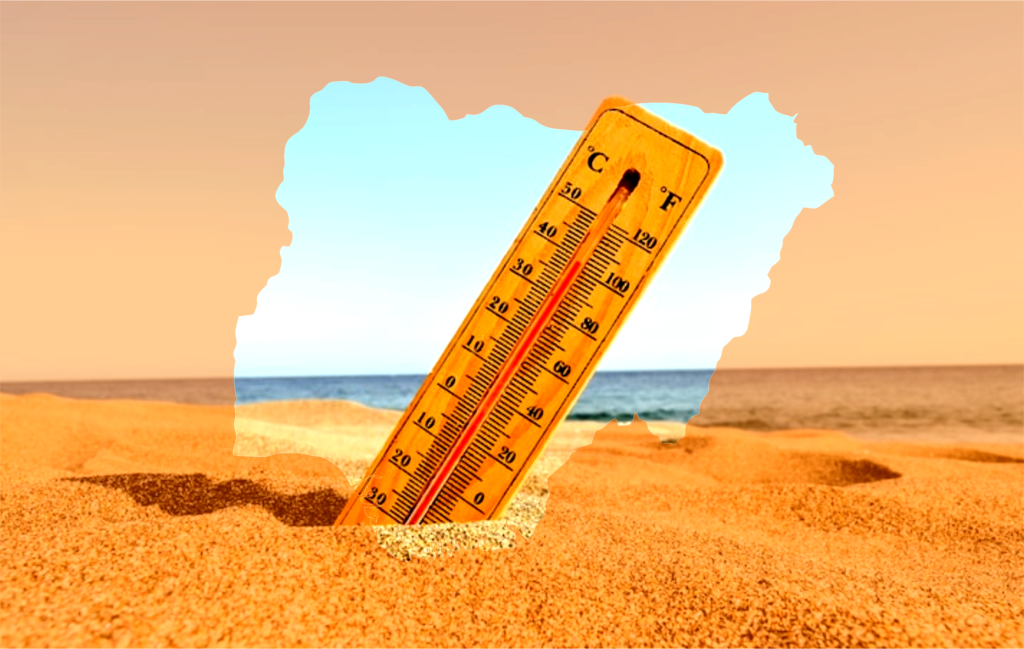
As temperatures continue to climb across Nigeria, experts are calling for urgent institutional reforms to help communities, businesses and public services cope with the growing threat of extreme heat.
Recent warnings from the Nigerian Meteorological Agency (NiMet), have highlighted the severity of the challenge. In March 2026, temperatures approached 41°C in parts of northern Nigeria, and around 39°C in several southern states, prompting health advisories for residents to remain indoors, during the hottest hours of the day. However, staying indoors is not an option for millions of Nigerians.
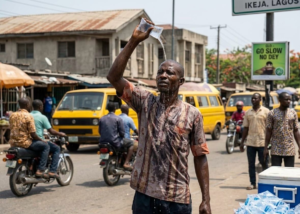
Farmers, traders, artisans, construction workers, transport operators and other informal sector workers depend on midday hours for their daily income. As heat intensifies, many are forced to reduce working hours, leading to lower productivity and shrinking earnings for households already facing economic pressures.
Public health officials are also raising concerns about the human cost of prolonged heat exposure. Hospitals in several states have reported increasing cases of heat-related illnesses, while outbreaks of climate-sensitive diseases such as cerebrospinal meningitis have placed additional strain on healthcare systems. Since late 2024, thousands of suspected meningitis cases and hundreds of deaths have been recorded across multiple states, particularly in northern Nigeria where dry and hot conditions are most severe.

Picture Credit: CSR Reporters
The education sector has not been spared. Several northern states temporarily shut schools during peak heat periods in 2025 after classrooms became unsafe for students and teachers. For families, such disruptions affect learning outcomes and place additional burdens on parents who must find ways to care for children during unexpected closures.
Beyond health and education, extreme heat is increasingly becoming an economic issue. Rising temperatures are driving higher electricity consumption as households and businesses rely more heavily on cooling devices. Researchers estimate that electricity demand increases significantly during hotter periods, placing additional pressure on an already fragile power grid and contributing to recurring outages.
Analysts argue that the challenge is no longer simply environmental. Rather, it is becoming a governance and development issue that affects livelihoods, public services and economic resilience. Despite the growing risks, Nigeria currently lacks a dedicated national framework for managing extreme heat. Responsibilities are spread across agencies responsible for weather forecasting, emergency management, health services and environmental protection, often with limited coordination between them.

Picture Credit: Al Jazeera
While NiMet provides heat forecasts and advisories, there are no nationwide protocols that automatically trigger actions in hospitals, schools, local governments or workplaces when dangerous temperature thresholds are reached. As a result, responses are often reactive rather than preventive.
Policy experts say this gap leaves the country’s most vulnerable populations exposed. Low-income communities, outdoor workers, elderly persons, children and residents of densely populated urban areas often have the fewest resources to adapt to worsening heat conditions.
To address these challenges, stakeholders are proposing a National Heat Management Framework that would create a coordinated system linking weather forecasts, public health surveillance, emergency response and local government action.
The proposed framework would establish a National Heat Management Coordination Committee to oversee planning and response efforts. It would also empower states and local governments with clear mandates, funding and operational guidelines to protect residents during extreme heat events.

Picture Credit: Peoples Gazette
A key component of the proposal is the integration of heat warnings with health systems. Under the framework, forecasts issued by NiMet would automatically trigger preparedness measures in hospitals, primary healthcare centres and community health networks, enabling authorities to respond before health emergencies escalate.
Advocates also recommend dedicated funding for heat preparedness, including investments in cooling infrastructure for schools and healthcare facilities, public awareness campaigns, urban greening projects and protections for outdoor workers.
Lessons from countries such as India demonstrate that proactive heat governance can save lives. Heat action plans implemented in several Indian cities have helped reduce heat-related deaths through coordinated warning systems, public education and clearly defined emergency response protocols.
For Nigeria, the benefits could extend beyond public health. A coordinated heat management strategy could improve worker productivity, reduce disruptions to education, strengthen healthcare preparedness, support energy planning and enhance overall economic resilience.

With temperatures reaching as high as 47°C in some northern locations in recent years and climate projections indicating continued warming, experts warn that delaying action could increase social and economic costs.
They argue that heat should no longer be viewed as a seasonal inconvenience but as a national development challenge requiring the same level of planning and institutional attention given to floods, disease outbreaks and other major risks.
As Nigeria prepares for future climate pressures, proponents of reform say a National Heat Management Plan offers an opportunity to protect lives, safeguard livelihoods and build more resilient communities, particularly at the grassroots level where the impacts of extreme heat are felt most directly.
SOURCE: Dataphyte