

Fierce Armed Clashes in Western Libya Triggered Prison Break
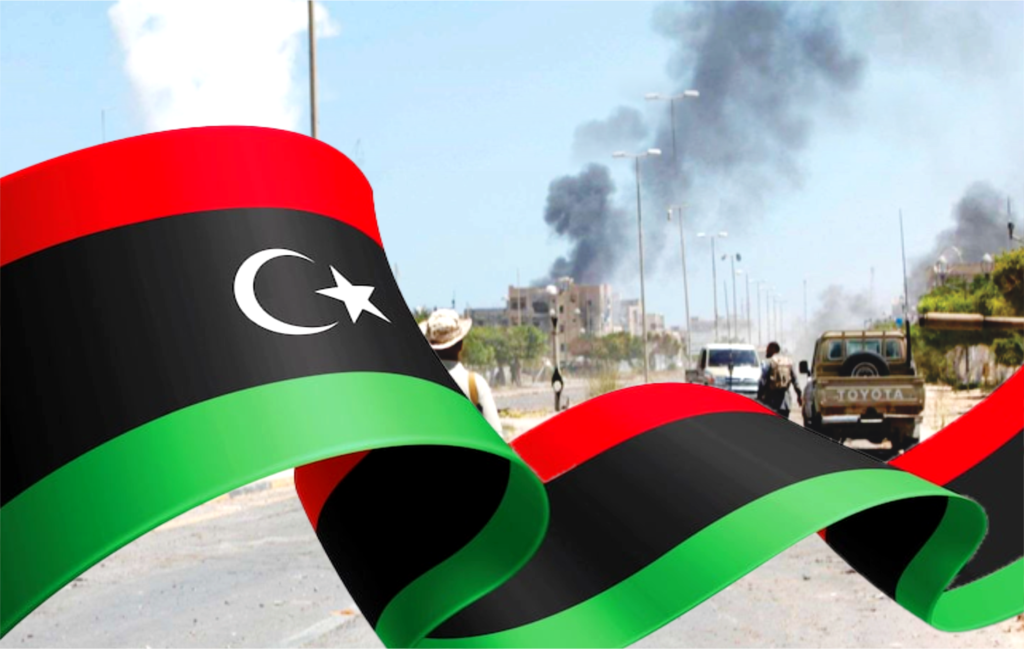
A major security crisis has unfolded in western Libya following a mass prison escape at Surman prison, triggered by violent clashes between rival armed groups. The outbreak of fighting has left several civilians dead, disrupted operations at a vital oil hub, and highlighted the persistent security vulnerabilities that continue to plague the country.
The violence began when fierce clashes erupted between rival armed groups in the coastal cities of Surman and Zawiya, located at the west-bank of the capital city of Tripoli. Thick black smoke was seen rising over the residential areas, and residents reported hearing the sounds of sustained gunfire.
At the time, the specific groups involved in the fighting and the underlying causes of the clashes remain unclear. The intensity of the conflict created severe humanitarian and physical damage. Surman Mayor Mohamed Abu Snina described the humanitarian situation as bad. Local leader Salem Bahr confirmed that the fighting resulted in the deaths of at least three civilians and left several others injured. In an appeal broadcast on Libya Al-Ahrar television, Bahr called for an immediate cessation of hostilities, warning that everyone who wins in this situation loses.
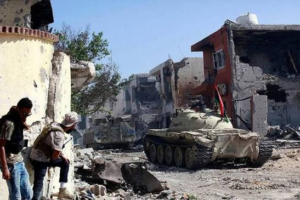
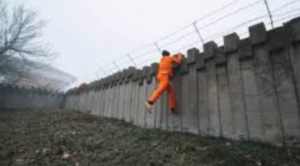
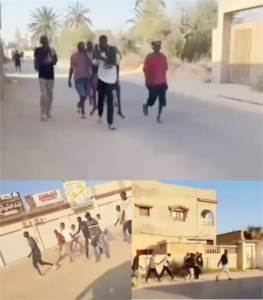
At same time, inmates at Surman prison staged a coordinated mass escape, taking advantage of the unfolding chaos and the deterioration of security. The prisoners managed to flee the jail as the nearby battles drew security forces away and disrupted normal correctional operations.
Videos circulating on social media showed the scale of the unrest, but official details from prison authorities have been tightly controlled. The Judicial Police Authority formally announced that it has opened an investigation into the circumstances of the breakout. However, authorities have notably declined to disclose the exact number of prisoners who successfully escaped from the facility.
In response to the mass escape, the Libyan government mobilised regional security networks to track down the fugitives. A specialised committee was formed by the authorities to oversee the situation. This committee was tasked with two primary objectives: Identifying the specific identities of the escaped fugitives; coordinating and supervise active operations to recapture them.
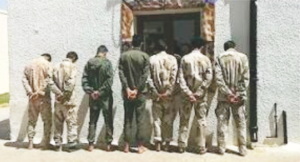
As of recent reports, a neutral security force was also deployed to the affected areas, which helped to restore a state of relative calm to Surman and Zawiya. Conversely, the fugitives remain at large, and security forces throughout the western region remain on high alert. This latest rupture emphasizes the deep-seated instability that has characterised Libya since the 2011 NATO-backed uprising that toppled long-time leader Muammar Gaddafi.
Despite numerous international and domestic political initiatives aimed at unifying the country’s governance and security apparatus, rival armed groups have maintained significant local influence and military power. Periodic clashes of this nature often breakout with little warning, placing civilian populations, local governance and vital public infrastructure under constant threat.