

Where is Paul Biya? 58Day Silence and Absence from Cameroon…
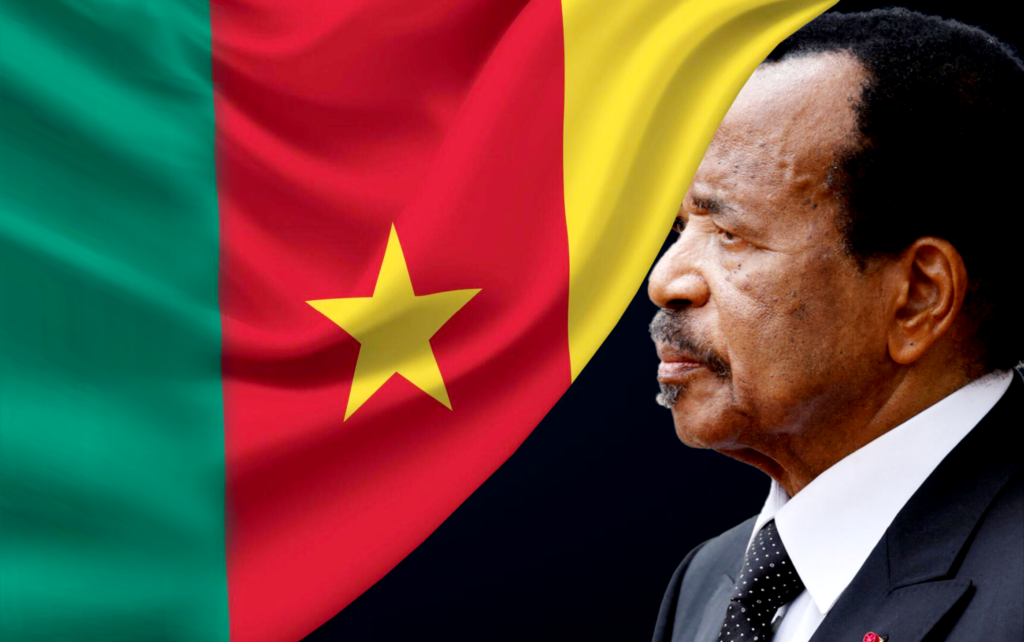
In the hyper-presidentialist architecture of the Cameroonian state, the physical presence of the leader, is not merely a symbolic figurehead, it is the state itself. Consequently, the current 58day absence of President Paul Biya, serves as a profound stress test for a system designed to function only through a centralised focal point of power.
As we approach the two-month milestone with no official return date and a total vacuum of executive communication, the country has entered a period of suspended animation, a dangerous posture in a sub-region, historically prone to sudden political shifts. This unprecedented hiatus, has fundamentally altered the psychological atmosphere of Yaoundé, moving the capital from the rhythm of routine governance, to a state of mounting national concern.
This absence is now filtering down from the halls of power into the bedrock of the citizenry, manifesting as a pervasive and corrosive anxiety. In a centralised autocracy, the visibility of the leader provides essential “societal guidance“. When that visibility is replaced by a two-month void, the resulting vacuum is inevitably filled by a volatile mixture of blind loyalty and existential dread.
The disappearance has fractured the public consciousness into three distinct camps:
1. The Loyalists: some residents exemplify the segment of the population clinging to institutional trust. Interpreting the silence through a lens of defensive optimism. Maintaining that the absence must be for a “good reason“; and that Biya’s eventual return will bring positive developments.
2. The Anxious: others connect the absence to a larger sense of societal drift. Linking the president’s lack of guidance to the nation’s failing metrics, specifically citing poor academic exam results, as a symptom of a country that has effectively gone “on holiday” without its headmaster.
3. The Existentialists: as for many other citizens, the silence has moved away from political concern into the realm of basic mortality. The total lack of proof of life, has created a climate of profound discomfort, with most people questioning whether the President is even still alive.
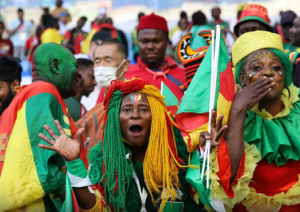
These sentiments indicate a fraying social-contract. When the executive remains invisible, the shared sense of national direction evaporates, and the public grapples with a state of terminal uncertainty. This public alarm is not occurring in a vacuum; rather, it is both a cause and a consequence of an administrative machinery that is rapidly seizing up.
Despite the conclusion of the presidential elections in October 2025, the country has been hanging without a new government, for nearly a year later. This failure to form a cabinet, shows a profound breakdown in the administrative order. As the August 2026 deadline passes, the following indicators of instability have become impossible to ignore:
The Year of Limbo: The nearly 12-month delay in appointing a post-election government has paralysed the country’s policy-making apparatus.
Visible Confusion: A disorganised administration that appears to be operating without clear directives or a unified chain of command.
The Heavy Silence on Succession: A persistent refusal to acknowledge the reality of a transition, which exacerbates the current crisis of confidence.
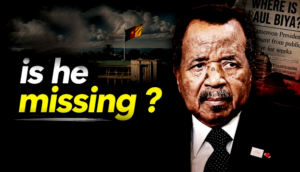
This silence is no longer a stabilising strategy, than it is a liability. Refusing to engage with the reality of succession, the state is inviting the very chaos it seeks to avoid, turning a biological inevitability into an institutional emergency, just like Nigeria experientially waded-off from, during the Buhari’s first tenure.
The situation in Cameroon has reached a point of critical opacity. The risk is that the transition to the post-Biya era will be forced by biological reality, instead of being managed by political policy.
Picture Credit: Timbuktu Institute | Joy Ideas Studios | Adam Schultz