

Abstract: Renewable Energy Boom, Driving Global Growth inspite of Grid and Policy Challenges

A new 2026 Renewable Energy and Solar Study paints at an optimistic picture for the global solar industry, highlighting continued investment, technological innovation and expanding access to cleaner electricity, even as developers grapple with grid limitations, permitting delays and rising project costs.
The report projects that solar energy will remain the world’s fastest-growing source of new electricity generation through 2026. It reinforces its role in helping countries strengthen energy security, lower emissions and meet rising electricity demand. By 2030, renewable energy is expected to supply about 45% of global electricity, with solar and wind contributing nearly 1000 terawatt-hours (TWh) of additional power by 2026.
Portrayed as a lip of hope for rural communities, the continued expansion of solar power schemes promises more than cleaner energy to countryside residents. Sustainable increase in solar deployment, is expected to improve electricity access in underserved and rural areas, create jobs across working units like construction, manufacturing, maintenance and fabrication, as this will reduce dependence on costly fossil fuel imports; and provide more reliable energy for homes, schools, healthcare facilities, small businesses, etc.
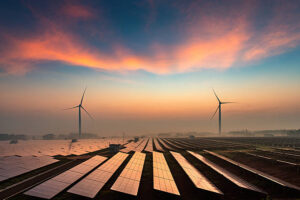
The study also highlights the growing political and economic importance of renewable energy. Governments are progressively prioritising solar as part of national energy transition strategies, as investors continue to channel funding into renewable infrastructure on the other flip. Nevertheless, industry professionals identified electricity grid congestion (63.7%) and lengthy permitting processes (47.8%) as the biggest obstacles slowing project delivery; alongside land availability and mounting price pressures. They say, to address these regulatory and infrastructure bottlenecks, will require a stronger collaboration between governments and private investors to modernise transmission networks, streamline approvals and encourage policies that support faster renewable energy deployment.
Furthermore, technological innovation is expected to remain a major growth driver. The report forecasts bifacial solar modules, which will dominate the global market by the early 2030s, accounting for between 90 and 95% of installations, while string inverters will continue to gain popularity, because of their flexibility, scalability and lower installation costs.

Hybrid renewable systems that combine solar generation with battery energy storage, are also gaining momentum, allowing communities and businesses to store excess electricity for use, during peak demand or power outages. The study notes a growing preference for AC-coupled battery energy storage systems, indicating rising demand for reliable and strong energy solutions.
Digital technologies are rapidly reshaping the sector as well, presenting that developers are adopting drone mapping, LiDAR surveying and advanced permitting software to improve project planning. Artificial intelligence is also emerging as a transformative tool, with growing applications in system design, energy forecasting and predictive maintenance that could reduce costs while improving operational efficiency.

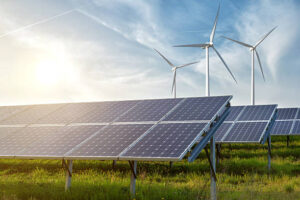
While China, the United States, India, Australia and Saudi Arabia are expected to remain the leading markets for solar expansion, some reports identifies Latin America, Africa and Southeast Asia, as regions with significant untapped potential. Continued investment in these emerging markets could accelerate economic development, expand energy access and support local industries, particularly in communities where reliable electricity remains a challenge.
Overall, the 2026 evaluation suggests that although infrastructure and policy reforms remain critical, the global shift towards solar energy is gathering pace, positioning renewable energy as a central pillar of future economic growth, energy capacity and sustainable development.