
Around 26,000 People Die from Cancer Each Day, WHO Cautions Against Expanding the Statistics Globally
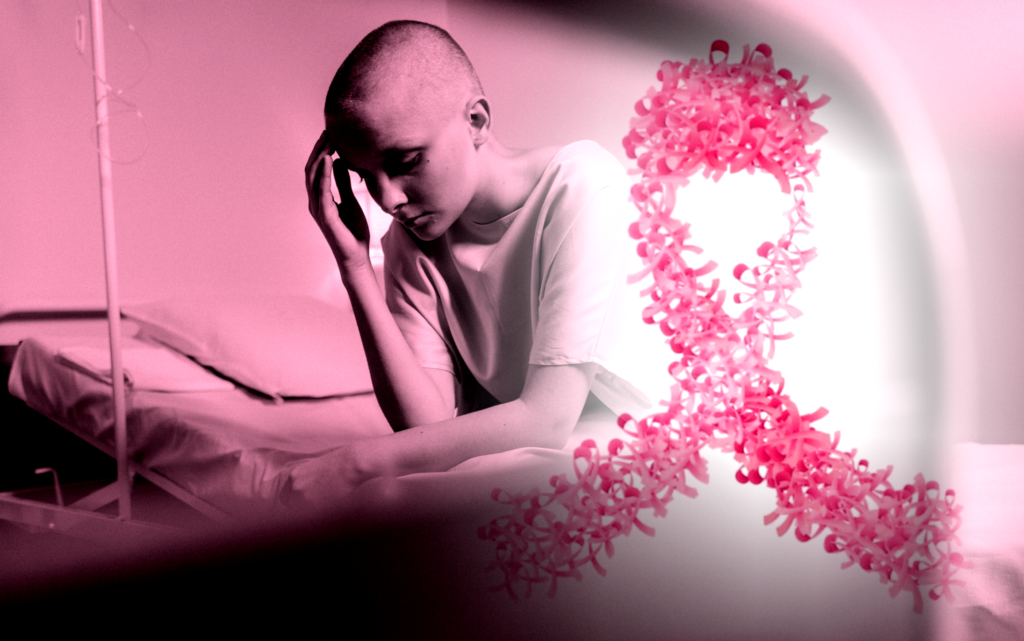
Cancer is claiming more than 26,000 lives every day worldwide, with the World Health Organization (WHO) warning that millions of those deaths could be prevented if countries invested more in early detection, affordable treatment and stronger healthcare systems.
According to the WHO and the International Agency for Research on Cancer (IARC), cancer causes nearly 10 million deaths every year, making it the world’s second-leading cause of death. More than 20.6 million new cases are diagnosed annually, and without urgent intervention, the figure is projected to rise to almost 35 million by 2050.
While scientific advances have improved survival rates in many parts of the world, the WHO says the greatest challenge is no longer simply fighting cancer itself but ensuring that life-saving care is available regardless of where people live or how much they earn.
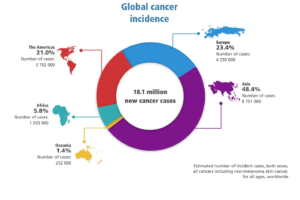
Picture Credit: Union for Institution Cancer Control UICC
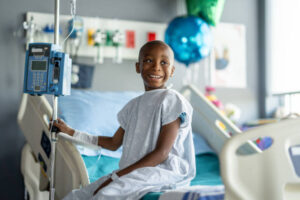
The report reveals that the global cancer burden is being fuelled by preventable risk factors such as tobacco use, alcohol consumption, unhealthy diets, obesity and physical inactivity, which account for about 40 per cent of cancer cases. In many low/middle income countries, chronic infections including the Human Papillomavirus (HPV) and Hepatitis B/C viruses, remain responsible for roughly 30% of cases, while ageing populations continue to drive rising diagnoses worldwide.
Millions of patients see cancer diagnosis as emotional trauma; thus, afar from the medical statistics, there lies a growing human crisis, such as the loss of income, difficult choices to be made between treatment and basic family needs, etc. Across many developing countries, families often exhaust their savings, borrow, sell valuable assets or cut-down basic/sundry expenditure to finance treatment. The report highlights a stark survival divide, between the wealthy and poorer nations.
In Europe and North America, although about one in four people is expected to develop cancer during their lifetime, only around one in about 12 dies from the disease, reflecting stronger screening programmes, earlier diagnosis and better access to modern treatment.
In contrast, many countries across sub-Saharan Africa, experience the struggle for treatment with shortages of oncology specialists, diagnostic equipment, radiotherapy facilities and affordable medicines. Delayed diagnosis and limited treatment options, significantly reduce survival chances, particularly for low-income households. Breast cancer cases comparison between the social-classes, illustrates the difference most clearly. Nearly 90% of women diagnosed in high-income countries, survive for at least five years after diagnosis, compared with just over 40% in low-income countries, where access to timely diagnosis and comprehensive treatment remains limited.
According to the warning-campaign of some health economists, the consequences of any form of cancer, goes beyond the confines of hospitals. Rising cancer issues in most cases, are expected to place great pressure on national health budgets, reduce workforce productivity, slow economic growth and expand treatment costs/long-term care demands. Businesses also face growing losses from reduced employee productivity, prolonged illness and premature deaths among working-age adults.
WHO claims that investing in cancer prevention, is a health priority and an economic strategy, as regarding developing economies. Expanding vaccination programmes against HPV and hepatitis, strengthening tobacco-control policies, promoting healthier lifestyles and improving early screening, could significantly reduce future healthcare costs, while protecting national productivity.
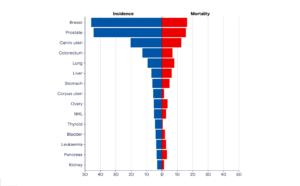
Picture Credit: Global Cancer Observatory | WHO

The growing burden also presents an important political challenge. Governments will need stronger commitments to universal health coverage, increased domestic financing for cancer care; expand health insurance and policies that make essential medicines more affordable. Because reducing cancer death-cases, has become closely linked to achieving bigger development goals, including poverty reduction, social protection and economic toughness.
Breast cancer survivor and patient advocate – Abigail Simon-Hart, said her access to private medical insurance enabled early diagnosis and successful treatment in the United Kingdom. She noted that many patients in some countries in Africa, face delayed diagnoses, inadequate facilities and overwhelming financial costs that often determine survival more than the disease itself.
Also, some community health advocates believe that lasting progress will also depend on grassroots action. While on the other hand programs like greater public awareness, routine screening, stronger primary healthcare services and community-based education, can encourage earlier diagnosis, reduce stigma and improve treatment outcomes, particularly in underserved rural communities, where many patients seek medical help only after the disease has advanced.
The WHO says narrowing the global cancer survival gap, will require sustained cooperation among governments, healthcare providers, development partners, researchers and local communities. It maintains that equitable access to prevention, early diagnosis and quality treatment could save millions of lives, protect families from catastrophic healthcare costs, strengthen health systems and support inclusive economic and social development.
As cancer cases continue to rise globally, the WHO assert that the true measure of progress, will be when advanced treatments has reached everyone who needs them, regardless of geography or income.