
Colombian, Serbian & Liberian Nationals Arrested, as Massive Cocaine Haul Expands Liberia’s Drug Trafficking Crisis
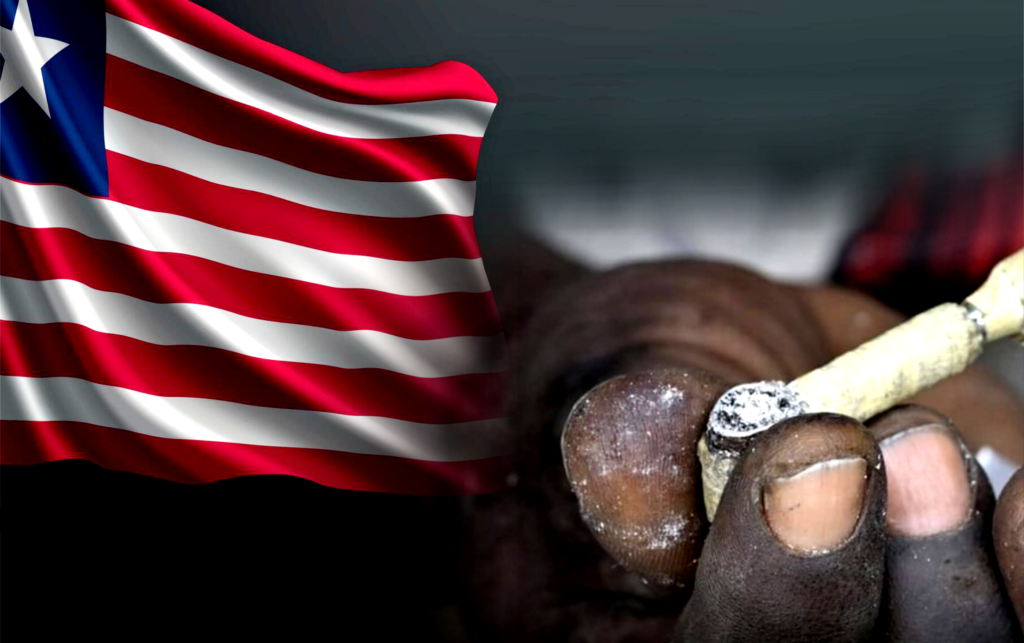
A sweeping security operation in Duazon, Margibi County, has uncovered what authorities describe as one of Liberia’s largest cocaine stash houses, leading to the arrest of foreign nationals and several Liberians in a development that has intensified concerns about the country’s growing role in international drug trafficking.
The joint raid, carried out by the Liberia National Police and other security agencies, resulted in the arrest of a suspect holding Colombian and Spanish passports and another carrying a Serbian passport, alongside multiple Liberian suspects. Authorities recovered nearly 4,000 kilograms of cocaine concealed inside a truck, with an estimated international value ranging between US$317 million and US$370 million. Weapons, satellite phones, suitcases and dozens of containers believed to have been used in the trafficking operation were also seized.
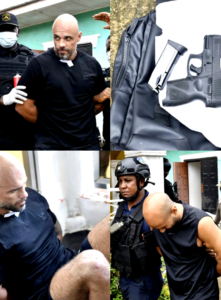
The arrests mark the first foreign suspects publicly linked to the investigation launched after security officials intercepted 237.6 kilograms of cocaine worth more than US$19 million at Roberts International Airport earlier this month. Investigators believe both cases are connected to an international trafficking network using Liberia as a transit hub for cocaine destined for overseas markets. “We have been investigating since the seizure of the US$19 million drugs at the RIA. Our painstaking investigation and smart police work led us to the stash house“, a senior member of the Joint National Security Investigative Task Force told journalists at the scene.
Authorities said they are still conducting a full inventory of the drugs recovered in Duazon, suggesting the final quantity could run into several tonnes. Formal charges against those arrested are expected after forensic examinations and evidence collection are completed.
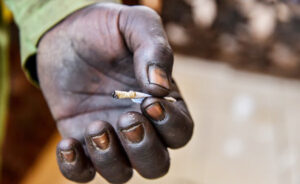
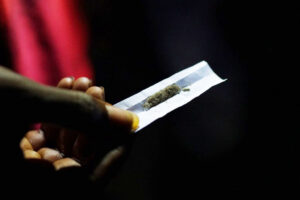
The latest seizure represents more than another law enforcement success. It accentuates the growing challenge facing Liberia as transnational criminal syndicates increasingly exploit weak border controls, strategic coastal access and regional trade routes to move narcotics across West Africa. Security analysts have long warned that such networks often rely on local collaborators, creating criminal economies that threaten governance, public safety and community stability.
The expansion of international drug trafficking, raises concerns that transcends criminal prosecutions. Communities fear that the illicit trade fuels corruption, exposes unemployed youth to recruitment by organized crime and diverts already limited security resources from addressing violent crime and other pressing public needs. The enormous street value of the drugs seized also highlights the financial power of trafficking syndicates, whose resources can overwhelm institutions struggling with limited funding and capacity.
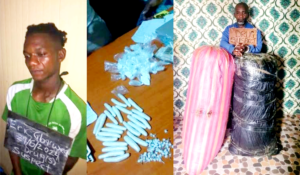
The operation comes amid mounting political scrutiny over the government’s response to the earlier airport cocaine seizure. Critics have accused the administration of President Joseph Boakai of moving too slowly in pursuing high-profile suspects after several individuals linked to the Roberts International Airport case reportedly fled the country before arrest warrants could be executed.
In response, the government established a Joint National Security Investigative Task Force to coordinate investigations into international drug trafficking operations and strengthen efforts to dismantle networks operating within Liberia.
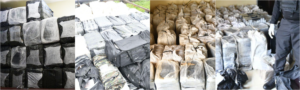
Officials insist investigations remain active and have indicated that additional arrests are possible as investigators trace financial transactions, communication records and local support networks believed to have facilitated the movement and storage of the narcotics.
As authorities continue counting the seized drugs and expanding the investigation, the Duazon operation has become a defining test of Liberia’s resolve to confront organized transnational crime. Beyond the headline-making value of the cocaine, the case highlights the broader challenge of preventing the country from becoming a preferred gateway for international drug cartels while safeguarding public institutions and vulnerable communities from the corrosive effects of the illicit trade.
Picture Credit: TRT | The Africa Report | AllAfrica | New Lines Magazine