
Jojo Boakai Denies Drug Allegations, President Boakai Faces Renewed Pressure over Anti-Narcotics Crackdown
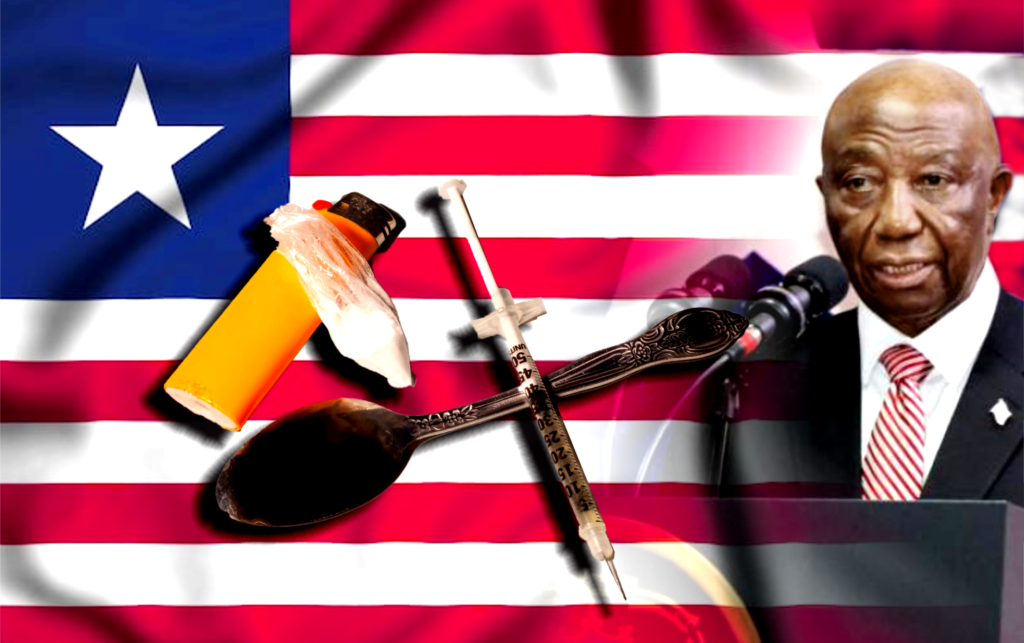
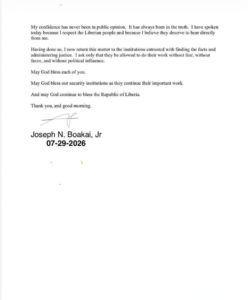
In Monrovia, Liberia, Jojo Boakai, son of Liberian President Joseph Nyuma Boakai, has publicly rejected allegations linking him to an alleged drug trafficking network, breaking weeks of silence after a viral video and social media posts sought to associate him, with what online commentators described as a “cartel”, in the midst of an ongoing investigation into Liberia’s largest recorded narcotics seizure.
The controversy has unfolded against the backdrop of intensified government efforts to dismantle transnational drug trafficking networks following the interception of narcotics valued at approximately $317 million, a case that has drawn widespread public attention and renewed concerns about organized crime, border security, and institutional accountability.
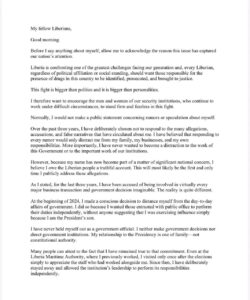
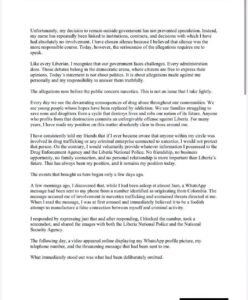
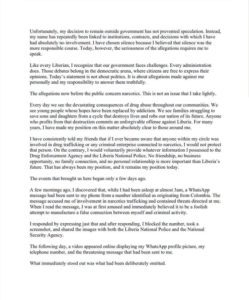
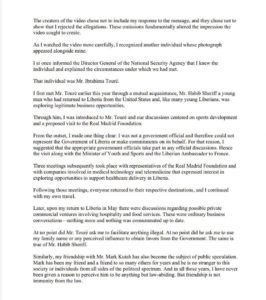
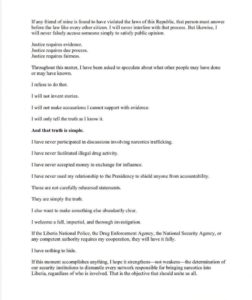
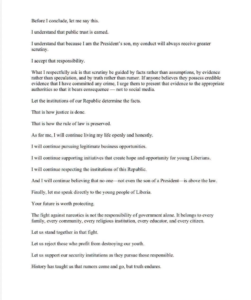
In a public response, Jojo Boakai dismissed the accusations as false and misleading, insisting that the viral material circulating online distorted private communications by removing portions in which he explicitly rejected any involvement with individuals allegedly connected to criminal activities.
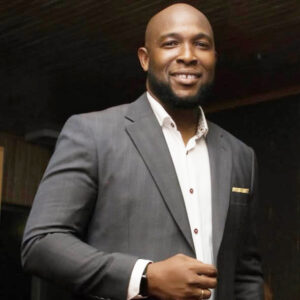
According to his statement, the edited content omitted critical context, creating what he described as a fabricated narrative intended to portray him as having ties to drug trafficking syndicates. He maintained that he has no connection to any narcotics operation and challenged those spreading the allegations to provide credible evidence rather than manipulated digital content.
The allegations surfaced as Liberia’s security agencies intensified investigations into sophisticated drug trafficking networks believed to be exploiting strategic entry points, including Roberts International Airport and the country’s maritime corridors. The unprecedented seizure has heightened public sensitivity, with citizens increasingly demanding transparency in investigations involving politically connected individuals.
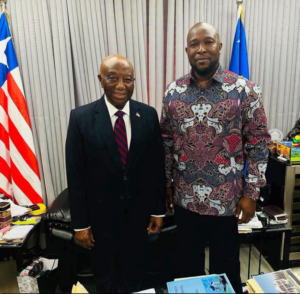
The Liberian President – Joseph Boakai, whose administration has pledged to strengthen governance, fight corruption and restore public confidence in state institutions, the controversy has introduced an additional layer of political scrutiny to his person/office. Although no official investigative body has publicly named Jojo Boakai as a suspect, the circulation of the allegations has fueled debate over whether relatives of public officials should receive heightened public examination during major national investigations.
Political analysts say the President faces the delicate task of balancing his responsibilities as both head of state and father. Any perception that his family could receive preferential treatment, they argue, risks undermining confidence in the government’s anti-drug campaign. Conversely, investigators are equally expected to protect individuals from trial by social media and ensure that accusations are tested through evidence rather than public speculation.
The Liberian government has continued to emphasize its commitment to pursuing all leads related to the narcotics investigation regardless of social status or political affiliation. Security officials have repeatedly stated that investigations will be guided by evidence and due process as they seek to identify local and international actors behind the trafficking network.
Reigniting a wider conversations about the growing influence of narcotics trafficking on Liberia’s social and economic landscape, this current case, has pictured the fact that the crack-down on drug cartelism in Liberia, transcends all political status, concerns and implications. Community leaders and civil society organizations have warned that the expansion of organized drug networks threatens national security, exposes young people to substance abuse, fuels violent crime, and discourages foreign investment by damaging the country’s international reputation.
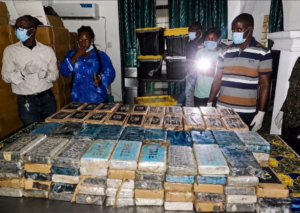
Residents in several communities have also called for stronger oversight at ports, airports, and border crossings, arguing that sustained investment in customs enforcement, intelligence gathering, and judicial independence is essential to preventing Liberia from becoming a regional transit hub for illicit drugs.
The controversy surrounding Jojo Boakai further illustrates the growing influence of social media in shaping public opinion before official investigations are concluded. While digital platforms have become important tools for exposing alleged wrongdoing, legal experts caution that selectively edited videos and unverified claims can rapidly spread misinformation, complicating ongoing investigations and potentially damaging reputations without substantiated evidence.
As authorities continue investigating the record narcotics seizure, public attention remains fixed on whether the government can demonstrate that its anti-drug campaign will be conducted transparently, impartially, and without political interference. To most Liberians, the outcome will serve as a significant test of President Boakai’s promise that no individual, regardless of family ties or political influence, is above the law.