
Russia Bans International Satanism Movement, Questions Extreme Religious Movements, Security and Civil Liberties
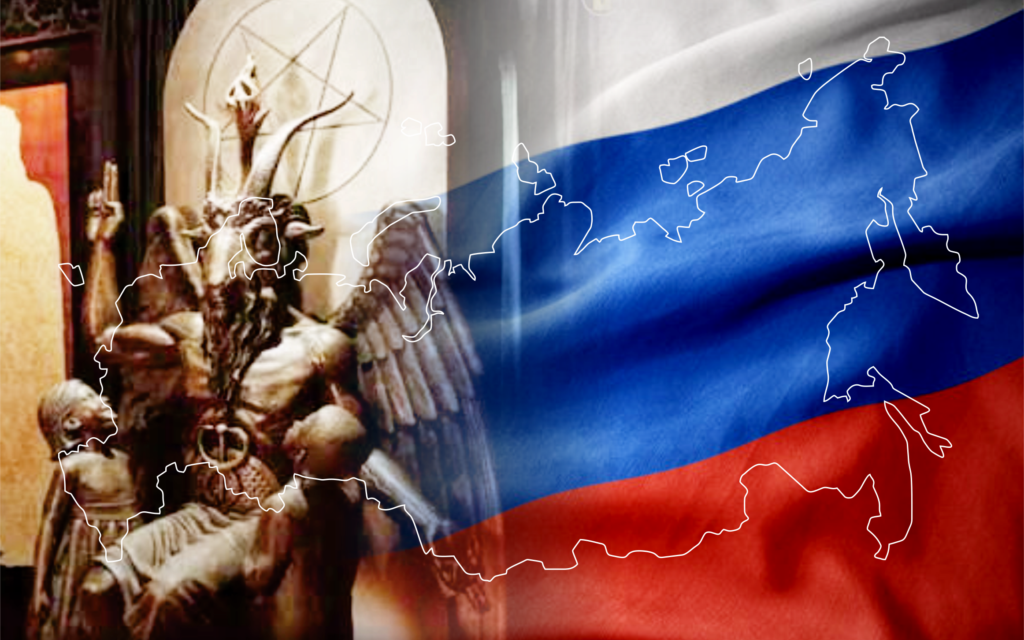
Russia’s Supreme Court has formally banned what prosecutors called the “International Satanism Movement,” a sweeping ruling that has intensified debate over religious freedom, youth protection, and the expanding reach of state power.
The decision, issued after a closed-door hearing in Moscow in July 2025, immediately outlawed what the court described as the principles of Satanism and related occult rituals. Authorities presented the move as a measure to defend traditional values, protect public order, and counter threats to national security.
Government officials argued that groups promoting Satanic ideology encourage hostility toward established religions, glorify violence, and contribute to vandalism of Orthodox Christian sites. Prosecutors also alleged links between some extremist circles and radical nationalist or neo-Nazi activity.
The Russian Orthodox Church strongly supported the ban. Patriarch Kirill and other church figures had repeatedly warned that occult and Satanic groups were operating openly and attempting to recruit young people through online communities, music subcultures, and social media networks. Church representatives said the ruling would help shield families and minors from harmful influences.
Supporters of the decision say it responds to genuine public concerns. Parents’ groups, clergy, and some local officials have argued that communities need stronger tools to address coercive sects, hate-inciting movements, and the desecration of religious symbols. They also contend that the state has a responsibility to protect citizens from organizations that exploit vulnerable people or encourage criminal behavior.
Human rights advocates, however, have raised serious questions about the scope of the ruling. Critics note that no clearly identifiable centralized organization called the “International Satanism Movement” has been publicly established. They argue that the absence of a defined membership structure could allow authorities to apply the ban broadly against individuals, artistic expression, online content, or subcultures that officials interpret as “satanic.”
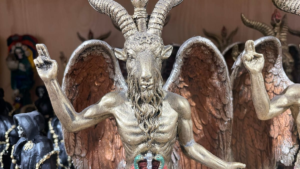
The hearing was presided over by Judge Oleg Nefedov and was conducted behind closed doors, with limited public access to the evidence presented. The court granted the Prosecutor General’s request with immediate nationwide effect, leaving little time for public scrutiny before enforcement began.
The case has become part of a wider discussion about governance in contemporary Russia. Analysts say the ruling reflects the increasingly close relationship between the state and the Russian Orthodox Church, as well as the Kremlin’s emphasis on a shared moral and cultural identity. Supporters view that partnership as a source of social cohesion; opponents fear it may blur the line between protecting public order and restricting freedom of belief and expression.
At the grassroots level, the decision has produced mixed reactions. Some religious communities welcomed it as a defense of sacred values and a safeguard for young people. Others, including civil-liberties groups, worry that vague legal definitions can create uncertainty for ordinary citizens and make selective enforcement more likely.
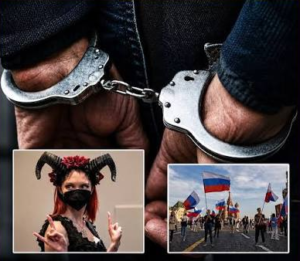
The story carries both a spiritual and a civic dimension for Christians in Russia, transversing the globe. Christian teaching has long treated evil as a real moral and spiritual danger, not merely a form of entertainment or aesthetic rebellion. At the same time, many believers also emphasize that the pursuit of truth, justice, and religious freedom must remain central. In that view, confronting harmful ideologies should not become a justification for false accusations, collective suspicion, or the abuse of governmental power.
As the ban takes effect across Russia, the key unresolved question is not only how authorities will identify prohibited activity, but also how the country will balance the protection of traditional religious values with legal clarity, due process, and the rights of individual citizens.