
Burkina Faso Secures Almost $105 Million Under IMF Extended Credit Facility to Cushion Global Economic Shocks
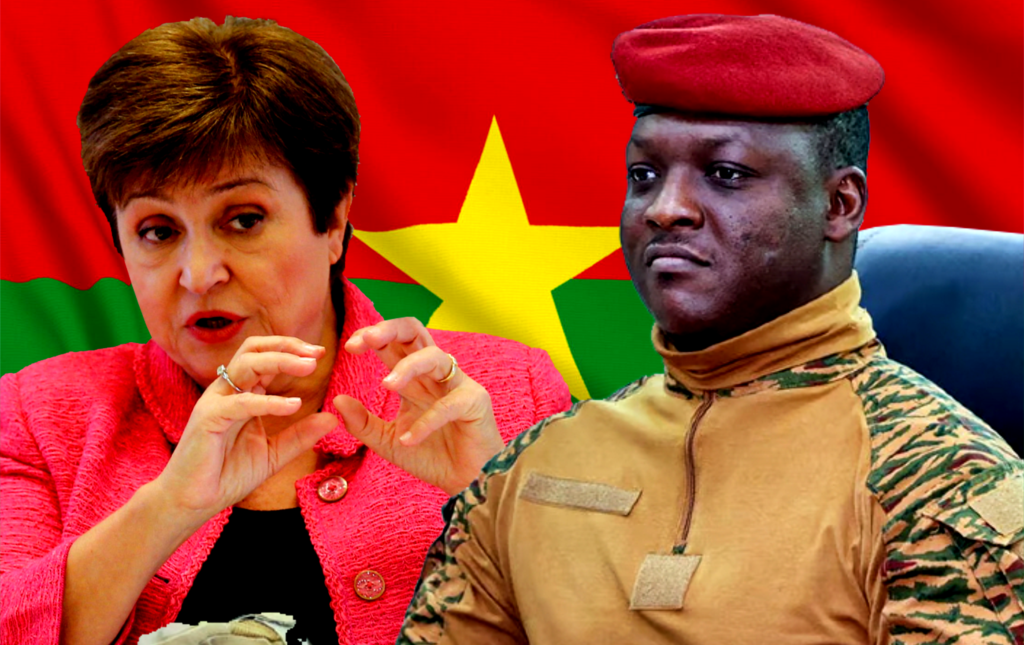
In Ouagadougou, Burkina Faso’s economic recovery is being tested by a fresh wave of external shocks, even as the country records one of its strongest fiscal performances, in recent years. While security is improved in some areas, falling inflation and soaring gold prices, have helped stabilize the economy in 2025. Rising fertilizer/energy costs have worsened the regional insecurity; and declining humanitarian assistance, are threatening the livelihoods of millions of Burkinabè families.
Burkina Faso has secured new financial support from the International Monetary Fund (IMF) towards protecting vulnerable communities from rising food and energy costs, while sustaining hard-won economic gains in the face of ongoing security and humanitarian challenges. The International Monetary Fund (IMF), in its latest review under the Extended Credit Facility (ECF) and the Resilience and Sustainability Facility (RSF), has endorsed additional financial support for Burkina Faso, recognizing the country’s commitment to economic reforms despite operating in one of the world’s most fragile environments.
The IMF Executive Board has completed the fifth review of Burkina Faso’svirtually and approved an additional SDR 60.20 million, equivalent to 50 percent of the country’s IMF quota, bringing the total access under the programme to SDR 288.96 million. The Board also approved the first review under the Resilience and Sustainability Facility (RSF), unlocking an immediate SDR 16.42 million to support climate resilience and long-term development.
The latest funding comes at a critical time for Burkina Faso. While the frequency of terrorist attacks has eased, insecurity continues to force thousands of families from their homes, disrupt farming activities, and deepen food insecurity across many rural communities. The country is also grappling with soaring global fertilizer and fuel prices, reduced humanitarian assistance, and the spillover effects of conflict in neighboring Mali, all of which have placed additional pressure on household incomes and government finances.
Despite these setbacks, Burkina Faso delivered one of its strongest economic performances in recent years. Economic growth reached 5.3 percent in 2025, driven largely by higher gold prices and increased mining activity. Inflation fell to -0.5 percent, easing pressure on consumers, while strong export earnings from gold helped transform the country’s external balance from deficit to surplus.
Equally significant was the government’s fiscal performance. Through tighter budget management and disciplined public spending, Burkina Faso reduced its fiscal deficit from 5.8 percent of GDP in 2024 to just 1.8 percent in 2025, far exceeding programme targets. The improved fiscal position has created valuable policy space, allowing authorities to respond to emerging crises without derailing long-term economic reforms.
The IMF-backed support is expected to translate into practical relief for the Burkinabès. Additional resources will help finance temporary and targeted measures to cushion farmers from the sharp rise in fertilizer costs, helping protect agricultural production, stabilize food supplies and safeguard rural livelihoods. The support is also expected to ease pressure on vulnerable households facing rising transport, cooking fuel, and living costs.
Aside emergency assistance, this programme mirrors a continued progress in strengthening public institutions. Burkina Faso has met nearly all of its IMF programme targets, while implementing reforms to improve governance, public financial management, domestic revenue collection and transparency. These measures are intended to ensure that public resources are used more efficiently and reach priority sectors such as healthcare, education, infrastructure and social protection.
The government has also advanced reforms under the Resilience and Sustainability Facility by adopting a National Disaster Risk Finance Strategy and publishing climate hazard and risk maps, which important steps towards preparing communities for climate-related disasters and attracting investment in strong infrastructure.
Politically, the IMF’s decision sends a strong signal of international confidence in Burkina Faso’s reform agenda despite persistent security challenges. It reinforces the country’s commitment to maintaining macroeconomic stability while protecting the most vulnerable and continuing governance reforms that are essential for sustainable development.
However, there are significant risks. Burkina Faso’s heavy reliance on imported petroleum products and fertilizers, leaves the economy exposed to global commodity price fluctuations; also regional insecurity and declining humanitarian funding, are sustaining threats against developmental gains. Economic growth is expected to slow in the near term as these external pressures weigh on agriculture and household purchasing power.
The IMF has emphasized that fiscal discipline must remain central to Burkina Faso’s strategy, with temporary and well-targeted subsidies, replacing broad-based support, whereas investing in health, education, social protection and productive infrastructure, continue to receive priority.
Millions of Burkinabès particularly farmers, displaced families, women and young people that are seeking economic opportunities, will the success of the programme to measure-out its ability to improve food security, create jobs, strengthen public services and build defensive-capacity against future economic and climate shocks.
As Burkina Faso navigates a fragile security landscape and an uncertain global economy, the renewed IMF support offers both immediate relief and a pathway toward more inclusive, resilient and sustainable growth.